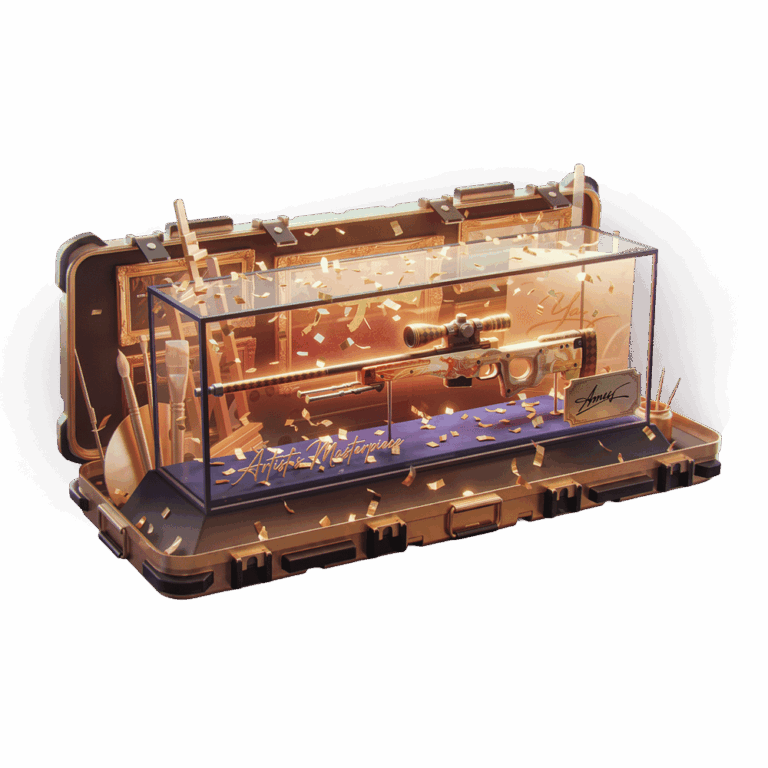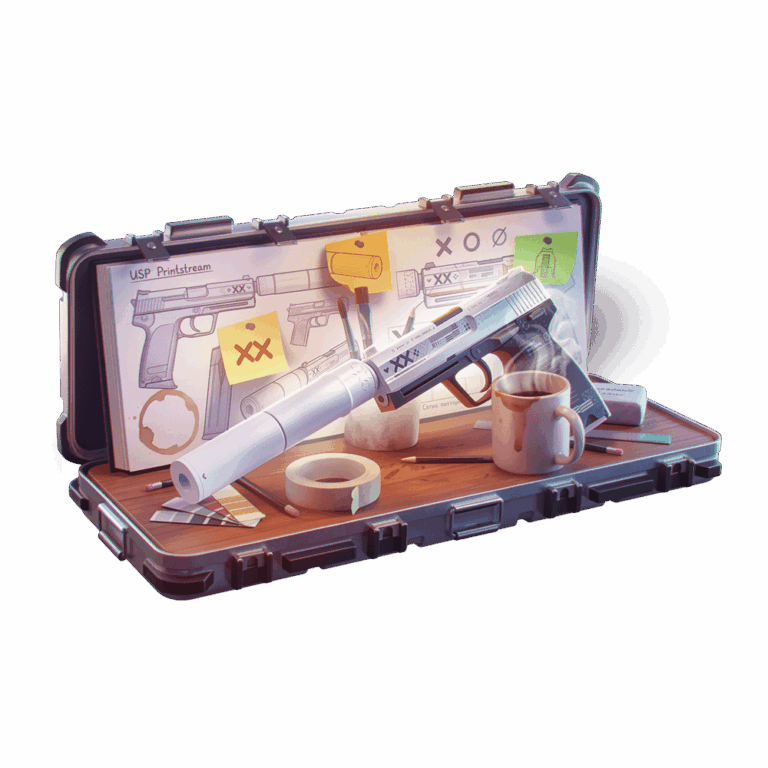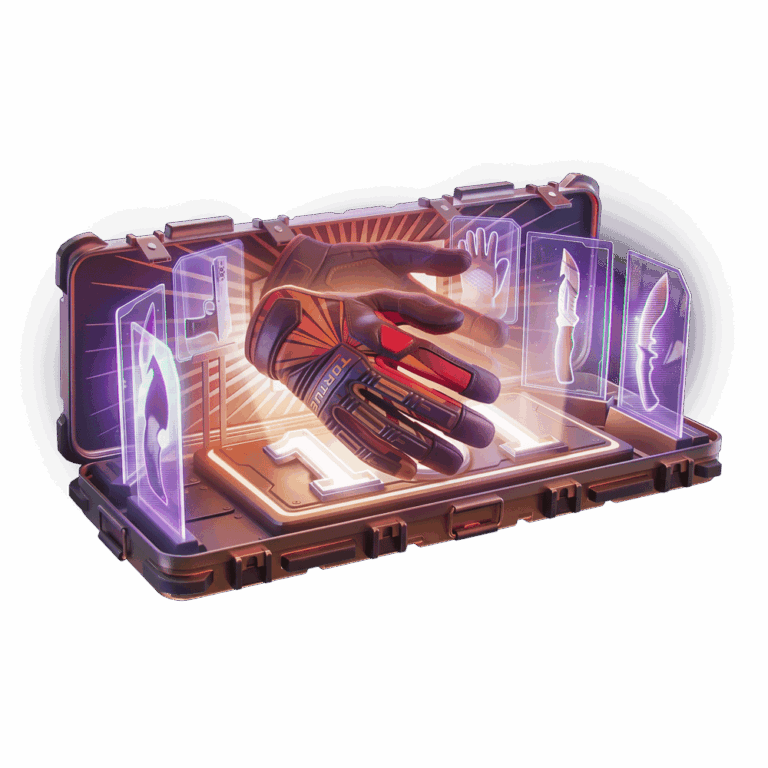

At the Major in Cologne, Valve really did shake up the souvenir system in CS2 in a major way. In the new format, a player can take any weapon of normal or already souvenir quality from their inventory, choose a completed match and a specific player, and then turn that item into a souvenir with gold team, autograph, and map stickers. For the market, this was one of the biggest blows to the old souvenir logic in many years.
That is exactly why, after the update, many expected an almost instant collapse in old souvenir items. But if you look at the traders’ assessments cited in this story, the picture is much calmer so far: the market has seen neither panic devaluation nor explosive new growth. Instead, a more restrained scenario is forming, in which old souvenirs do not lose value overnight, but also do not automatically get a “ticket to the moon.”
The new system really did change the rules of the game
The main change is that a souvenir is no longer tied to the old model of random acquisition. Valve directly described the new scheme for IEM Cologne 2026: now a souvenir is created by choosing an already played match and a specific pro player, while HLTV clarified that the cost of such a craft depends on the value of the gold stickers and the rarity of the weapon itself. This is not a cosmetic tweak, but a complete change in the mechanic.
That is exactly why fear emerged that old souvenir skins would lose part of their meaning. If before, being a souvenir was tightly linked to a stricter and more limited acquisition model, now the very idea has become much more accessible. And at the level of market psychology, that looked like a direct hit to the old exclusivity.

Why traders do not expect a collapse in old souvenirs
But in the traders’ assessments cited in this story, there is a different logic. It is simple: old collections still live by the classic scarcity principle. If a collection has already been removed from rotation, no new items from it appear, supply only tightens over time, and demand does not disappear entirely.
That is why some analysts see no basis for a scenario in which old souvenirs suddenly lose value en masse just because a new crafting system has appeared. The new system changes the way modern souvenirs are created, but it does not increase the quantity of already existing old rare items. And that, in their view, leaves the old market segment with a basic support.
But many are not betting on explosive growth either
At the same time, the same story shows another important thing: there is no euphoria among traders. Some of them directly say that people should not rush to buy old souvenirs expecting an instant rally.
The argument here is also clear. The new system may simply turn out to be more interesting for the average player than the old souvenir market format. And if part of the audience’s attention shifts toward the new way of obtaining souvenirs, that weakens the same hype on which old items might otherwise have risen sharply.
Souvenirs have lost part of their old aura
Another important idea in this story is that souvenir skins are no longer perceived the same way they were a few years ago. Their uniqueness has become less “pure,” because the system itself is now much more flexible and less ritualized.

Because of that, some market commentators do not expect sharp spikes over the next year or two. Their scenario is not an explosion, but slow, even, gradual growth where it happens at all. In other words, not a “new golden age of souvenirs,” but a more boring and stable market.
What this means for old souvenir containers
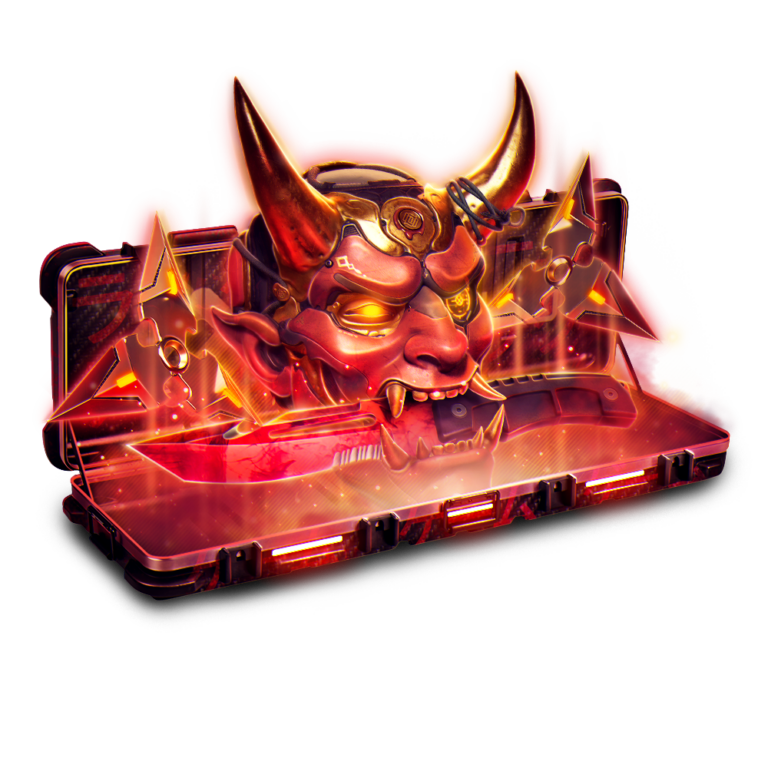
Separately, the story suggests that we may never see souvenir containers in their old form again. Here it is important to be precise: Valve officially described the new souvenir crafting system for Cologne 2026, but they did not make a general statement that the classic format is permanently canceled in all future cycles.
So it is more accurate to speak not about a confirmed fact, but about a market expectation. If this model really becomes the new standard, then old souvenir containers may gain another layer of collectible value simply as an element of the “previous era.” But for now, that is still a forecast, not a final rule.
The market seems likely to split into two different segments
The most logical conclusion from all this looks like this: the souvenir market in CS2 is now heading not toward the complete destruction of the old model, but toward fragmentation. On one side will be old souvenir items and old collections, where the classic logic of scarcity still works. On the other side will be new souvenirs, where the main role is played by personalization, the match, the signature, and the choice of the base skin. This is an interpretation based on Valve’s official description of the new system and the changes documented by HLTV.
And that is exactly why the new crafting system did not “kill” old souvenirs in one moment. It simply changed the economic framework in which they now exist.

New crafting
After the Major in Cologne, the souvenir market really did receive one of its biggest reforms in recent years. Valve shifted the system from the old model to new crafting through a match, a player, and a selected weapon, which instantly forced everyone to reassess the value of old souvenir items.
But the main conclusion for now looks restrained: old souvenirs did not automatically collapse, yet there is also little basis for blind euphoria. Judging by the sentiment reflected in this story, the market is moving rather toward a slow and more predictable re-evaluation of prices, where the scarcity of old collections still matters, but the former exclusivity of souvenirs no longer looks untouchable.