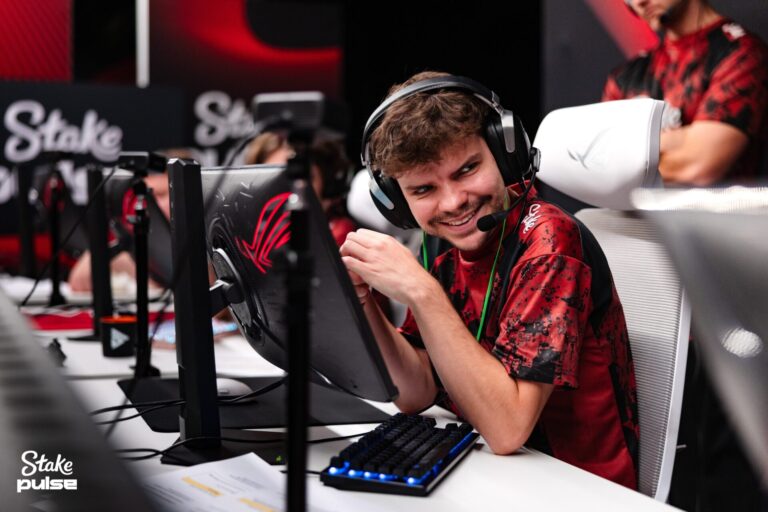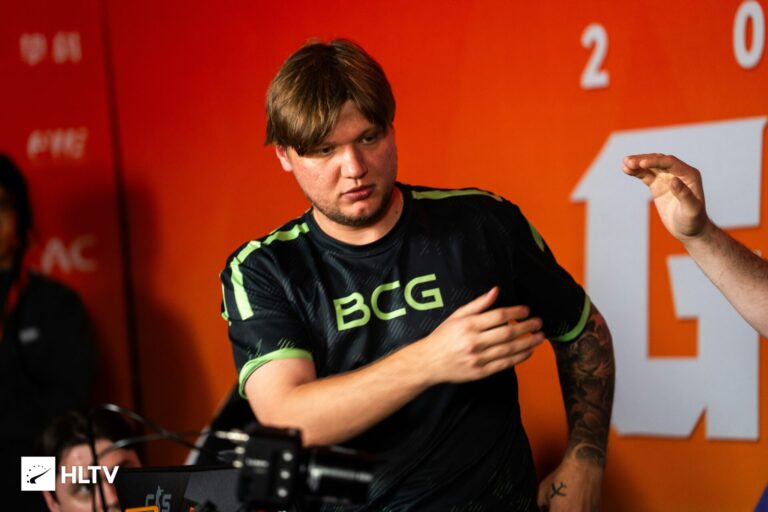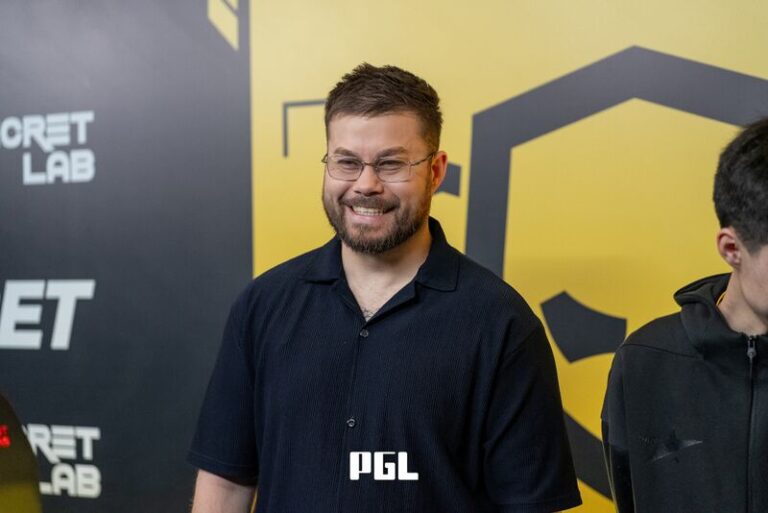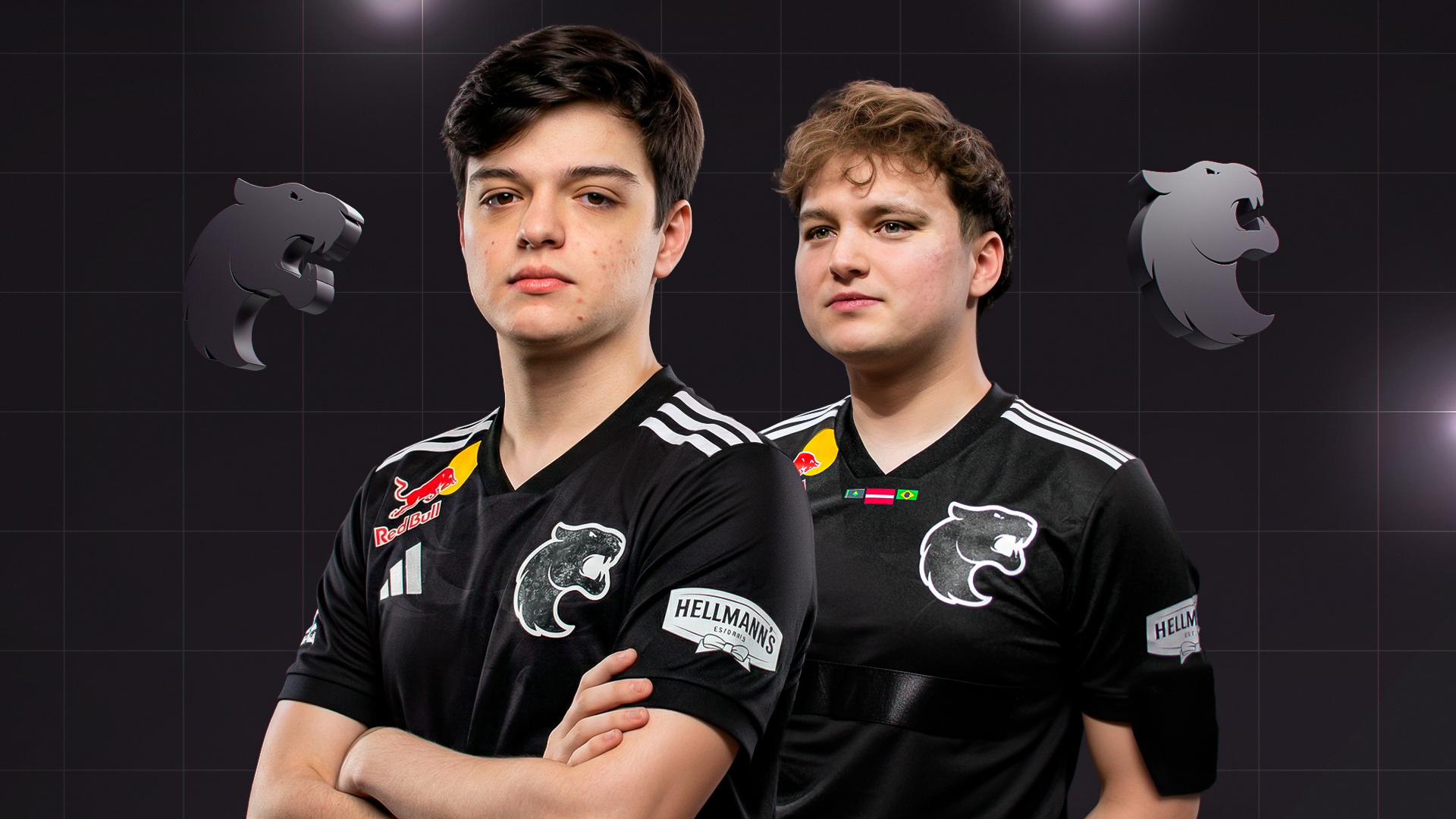

At the end of 2025, FURIA looked like a team reborn after the addition of Molodoy and YEKINDAR to the roster. After years of fluctuating between explosive performances and frustrating inconsistency, they finally found a formula that worked. The second half of the season showcased a more disciplined version of their trademark aggression, supported by strong individual form and a map pool that could compete with the best in the world.
But as 2026 unfolded, that momentum faded. While FURIA remains a recognizable name in tier-one Counter-Strike 2, their results no longer reflect a team capable of consistently winning trophies. The drop-off hasn’t been caused by a single issue, it’s the result of several interconnected problems. Among them, four stand out: a declining map pool, the dip in form from molodoy, increased preparation from opponents, and mounting pressure in key tournaments and the upcoming IEM Rio and PGL Astana.
1) A Shrinking and Predictable Map Pool
One of the most significant factors behind FURIA’s decline in 2026 has been their map pool. During their strong run in late 2025, they had a flexible and dangerous veto. They could confidently pick comfort maps (overpass, train) while remaining competitive across most of the pool. That flexibility made it difficult to anti-strat.
In 2026, that edge disappeared after the removal of de_train and their recent struggle on de_overpass.
The removal of Overpass from the active duty pool marked a significant turning point. Historically, Overpass was a comfort map for FURIA throughout 2025, one where their aggressive CT setups and fast-paced rotations could shine together with their unique style on T side defaulting and pressuring both sides of the map while being very effective on getting entries and creating space. Its absence has left a structural gap in their pool that they have yet to properly replace. Without it, FURIA lost not only a reliable pick but also a map that masked inconsistencies elsewhere.
Mirage and Inferno, two staples of most teams’ map pools, have instead become persistent problem areas for FURIA. On Mirage, their mid control often lacks cohesion when trying to split into bomb sites; Inferno tells a similar story: while their raw aim keeps them competitive, their utility usage and late-round decision-making frequently fall short against more disciplined teams especially on the T side. These maps are no longer just shaky, they’re liabilities against top-tier opposition.
Anubis remains an interesting wildcard. FURIA rarely picks it, which makes it difficult to fully evaluate their ceiling on the map. However, when they do play it, they appear relatively comfortable, suggesting it could be developed into a more consistent option. At present, though, it sits in limbo: neither a strength nor a clear weakness, but an underutilized opportunity.
Nuke, on the other hand, stands out as one of their strongest maps statistically and structurally. Their coordination, especially on the CT side, often looks far more refined compared to other maps. Yet, despite this, FURIA shows a puzzling reluctance to pick Nuke. This ties into a broader and recurring tendency within the roster: avoiding maps that are heavily CT-sided. Time and again, they seem uncomfortable with the idea of starting on the T side, preferring instead to steer vetoes toward more balanced or perceived T-friendly maps.
Ultimately, FURIA’s map pool issues are not just about individual maps but about identity and confidence. The team appears caught between styles.. no longer fully embracing their chaotic aggression, yet not entirely comfortable playing structured, methodical Counter-Strike. Until they address their reluctance in vetoes and commit to strengthening key maps like Inferno and Mirage or developing Anubis into a true pick, their inconsistency will likely persist.
2) Molodoy’s Drop in Impact
The drop in Danil “molodoy” Golubenko’s performance from late 2025 into 2026 has been one of the key factors behind FURIA’s recent inconsistency. After a breakout year where he established himself as one of the world’s elite AWPers, his impact has noticeably declined, both statistically and in terms of influence within matches.
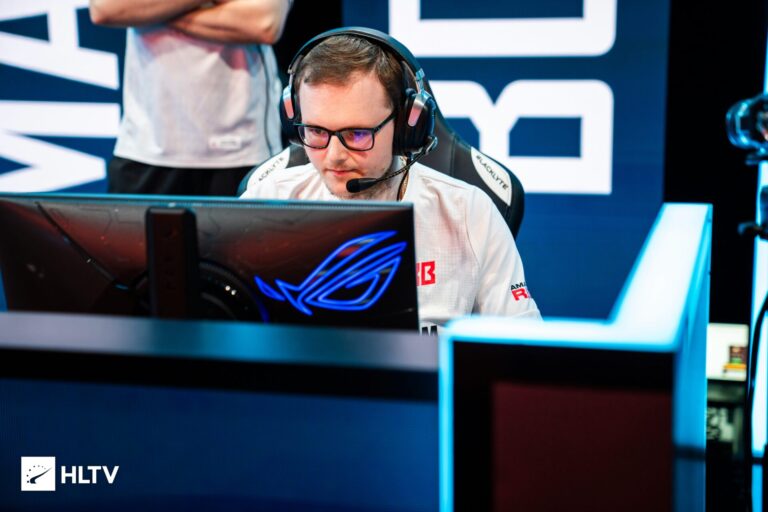
At the end of 2025, Molodoy was operating at a superstar level. He finished the year ranked 6th in HLTV’s Top 20, backed by MVPs, deep playoff runs, and consistently high ratings against top-tier opposition
More importantly, he was a game-changer: aggressive, confident, and often the player dictating the pace of FURIA’s T sides while having high impact entries with the AWP on CT side.
In 2026, that level has not been sustained. While his overall numbers remain “good,” they no longer stand out in the same way. Recent data shows a ~1.12 rating over the last few months, placing him more in the “above average” tier rather than elite . His kills per round and damage output have slightly dipped compared to his peak form, reflecting a reduction in raw impact. Instead of taking over games, he now fits more into the system.. often disappearing in key moments where FURIA previously relied on him to deliver.
Several factors contribute to this drop. First, opponents have had time to study his tendencies, particularly his aggressive AWP positioning and opening duels. Second, FURIA’s overall structural issues and then Finally, the natural pressure of expectations plays a role: after such a rapid rise, maintaining top-5 level performance becomes significantly harder once teams start preparing specifically for you.
Ultimately, molodoy in 2026 is still a strong player, but no longer the superstar that carried FURIA through late 2025. Until he regains that consistency and confidence, FURIA will continue to feel the absence of the player who once elevated them into contention.
3) Opponents Have Figured Them Out
Success brings attention, and attention brings preparation. One of the biggest challenges FURIA faces in 2026 is that teams are now studying them in detail. During their rise in late 2025, part of FURIA’s strength came from unpredictability.. In 2026, FURIA looks like a heavily scouted team. Opponents are better prepared for their tendencies, utility usage against FURIA has improved as well, limiting their ability to take space freely.
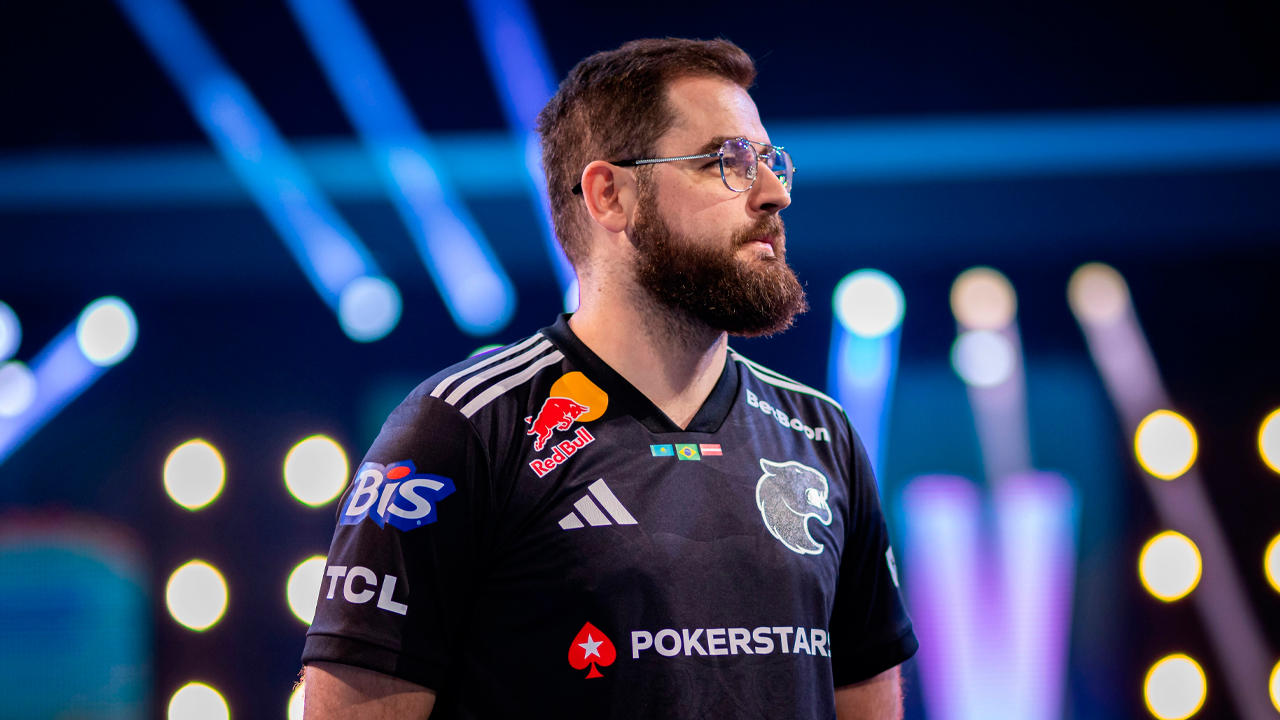
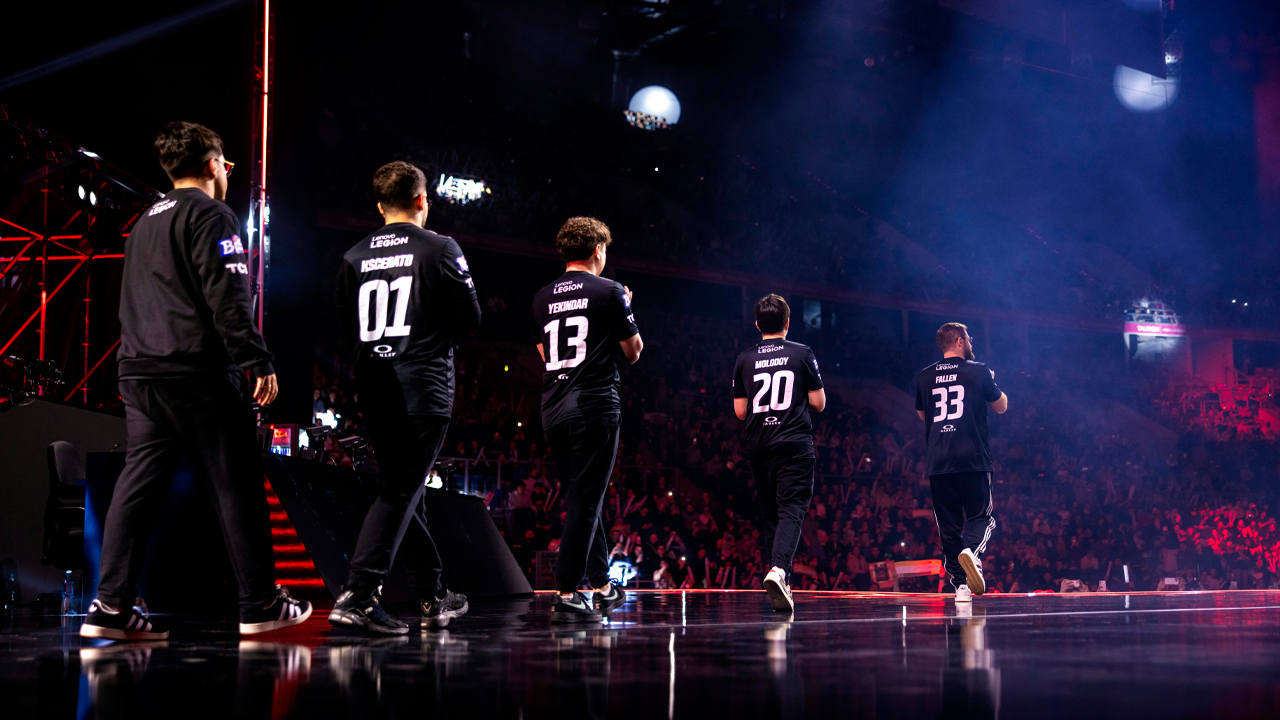
Additionally, their mid-round calls are being read more effectively and I personally feel like FURIA´s tough schedule of not having proper time to practice has taken a toll on them and FalleN has had too much on his plate lately. When a team loses its unpredictability without fully transitioning into a structured system, it enters a dangerous middle ground. That’s where FURIA currently sits: no longer surprising, but not structured enough to dominate while having firepower issues within their most important players.
4) The Weight of Expectations: IEM Rio and PGL Astana
Beyond in-game issues, external pressure has played a major role in FURIA’s struggles particularly surrounding key next events like IEM Rio and PGL Astana. IEM Rio, in particular, carries enormous emotional weight. Playing in front of a home Brazilian crowd brings both energy and expectation. Instead of being a boost, that pressure can become overwhelming, especially when results don’t immediately go their way. FURIA is no longer the underdog story. They are expected to perform, to reach playoffs, and to contend for titles. At events like IEM Rio, anything less feels like a failure.. not just to fans, but to the players themselves. This pressure can also manifest in-game through hesitation and poor decision-making in crucial rounds. Situations that require calm execution instead become rushed or forced.
read more
5) A Team at a Crossroads
FURIA’s decline in 2026 is not a collapse, but it is a clear step back from their late-2025 peak. The issues are layered: a weakened map pool, reduced individual impact from key players like Molodoy and YEKINDAR, increased opponent preparation, and the psychological burden of expectations.
What makes the situation particularly challenging is how interconnected these problems are. A limited map pool makes preparation easier for opponents. Increased pressure amplifies individual underperformance. A lack of standout performances reduces the team’s ability to overcome strategic disadvantages.
And yet, the potential is still there. The core of the team remains talented and experienced. The aggression that defines FURIA can still be effective.. but only if it evolves. Expanding the map pool, redefining roles, and adapting their style to the current meta are all necessary steps. Perhaps most importantly, FURIA needs to find a way to play with confidence again. The version of the team that succeeded in 2025 wasn’t just skilled, it was fearless. In 2026, that fearlessness has been replaced by hesitation. Until they solve that, the gap between what FURIA is and what they could be will continue to define their story.