
The conclusion of the Valve Regional Standings (VRS) cutoff for the IEM Cologne Major 2026 marked one of the most dramatic qualification races in recent Counter-Strike history. With invitations locked on April 6, 2026, the new VRS system once again proved ruthless.. rewarding consistency across the season while punishing even the biggest names for inconsistency.
While the final list includes many expected contenders, the journey to the cutoff produced shocking eliminations, Cinderella runs, and a reshuffling of the global Counter-Strike hierarchy.
The System That Changed Everything
The VRS system rewards teams based on consistent results across officially recognized tournaments. Unlike previous eras dominated by partner leagues or invites, teams had to grind points throughout the season. This created two key dynamics:
- Tier-2 events became crucial for qualification.
- Big-name teams were no longer protected from missing Majors.
The result? One of the most unpredictable Major qualification cycles ever.
Biggest Disappointment: FaZe Clan Miss the Major
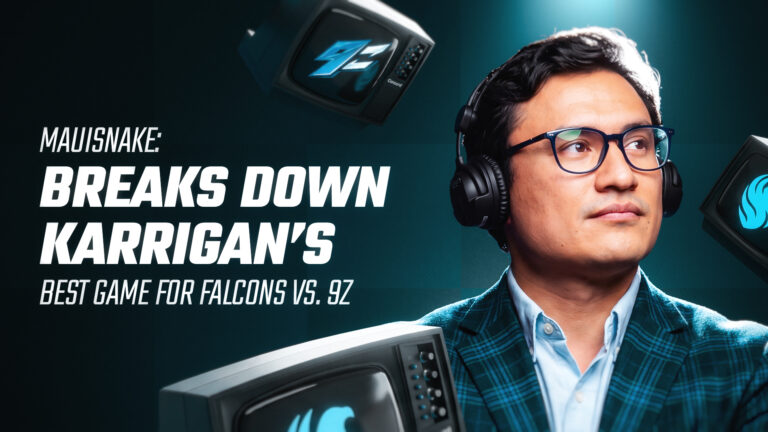
There is no bigger headline than the absence of FaZe Clan. For the first time in their history, FaZe failed to qualify for a Counter-Strike Major. Their streak dating back nearly a decade ended not with a dramatic final match, but with a slow bleed of missed opportunities across smaller events and inconsistent performances.
Despite flashes of brilliance, FaZe repeatedly dropped crucial matches in VRS-ranked tournaments. Their failure to accumulate enough points left them outside the cutoff line when it mattered most. Community reaction was immediate and intense, with many calling it the most shocking storyline of the year. Hard words came from Karrigan’s mouth after the failure.. “this is the lowest point of his career and that there are no excuses for such a massive disappointment”

Brazilian Imperial’s absence in Cologne: a costly turning point
The failure of Imperial Esports to qualify for IEM Cologne Major 2026 stands as one of Brazil’s biggest disappointments this season. Once a symbol of experience and tradition, the team fell short in a qualification race defined by consistency and relentless grinding.
A key factor behind this decline was the recent departure of their awper Santino “try” Rigal to Passion UA. His role within the squad brought stability and firepower as an awper, and without him, Imperial struggled to maintain the same level of performance in crucial matches. The loss disrupted the team’s balance at a time when every result mattered in the VRS system.
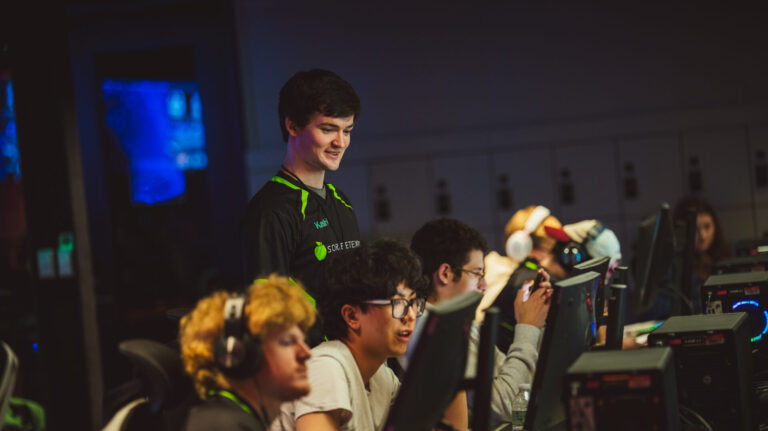
While few other Brazilian teams adapted and secured their spots, such as MIBR and Sharks Esports.. Imperial couldn’t recover in time. In the end, their absence highlights how even small roster changes can have a major impact, especially in a system where consistency is everything.

A fading legacy: Swedish organizations miss the CS2 Major spotlight once again
For over a decade, Sweden was synonymous with Counter-Strike greatness. From the dominance of early Global Offensive eras to a constant pipeline of elite talent, the country built a legacy few could match. But in the race to the latest CS2 Majors, the failure of historic organizations like Fnatic, Ninjas in Pyjamas to qualify marks a significant and disappointing moment for Swedish Counter-Strike.
Once feared on the international stage, Fnatic and Ninjas in Pyjamas now find themselves struggling to keep pace in a scene that has evolved rapidly. The transition to CS2 and international rosters, combined with the introduction of the Valve Regional Standings system, has placed a premium on consistency and activity.. areas where these teams have fallen short. Occasional flashes of promise were not enough to secure the points required for Major qualification, even though NiP came very close.
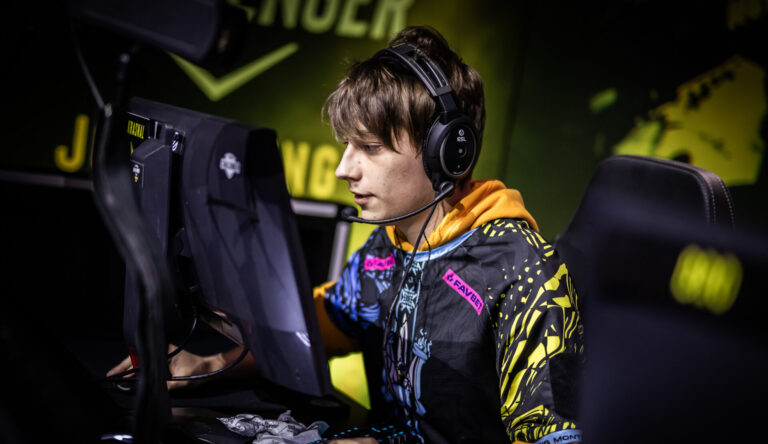
The full Swedish Alliance organization on the other hand, has been showing steady improvement and fought through a highly competitive European field. Strong performances in key matches kept their hopes alive until the final stages of the qualification cycle, more precisely until they lost to M80 at the Consolidation Final of DraculaN 6. However, under the unforgiving Valve Regional Standings system, even the smallest gap in points proved decisive. In the end, Alliance’s efforts were not enough to secure a place among the elite.

BIG’s resurgence: from small LANs to the IEM Cologne Major
Few qualification stories are as compelling as the rise of BIG on the road to the IEM Cologne Major 2026. Once considered outside contenders, the German squad rebuilt their path through consistency, smart scheduling, and a crucial leadership change that reshaped the team’s identity.
The foundation of BIG’s run was laid far from the spotlight. Instead of relying on invites to top-tier events, they committed to grinding smaller LAN tournaments often overlooked, but incredibly valuable under the Valve Regional Standings system. By consistently reaching playoffs and securing titles in these events, BIG accumulated the points needed to climb the rankings. In a format where every match matters, these “minor” victories became the difference-makers.
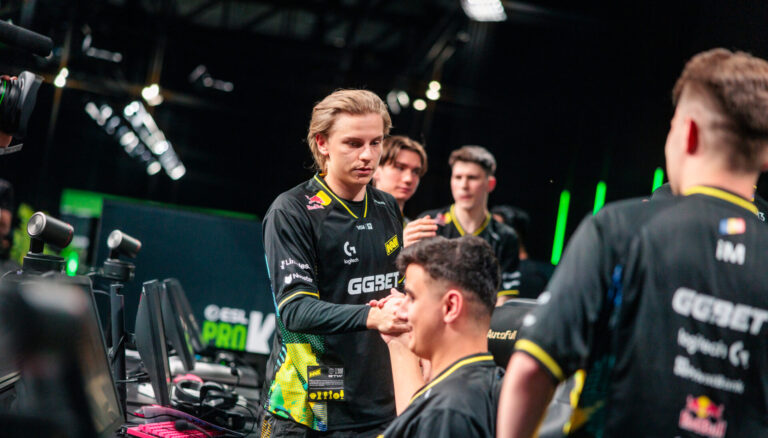
Equally important was the addition of Benjamin “blameF” Bremer as the team’s leader. Known for his structured approach and discipline, blameF brought stability to BIG’s gameplay. Under his guidance, the team adopted a more methodical style, improving mid-round decision-making and maximizing the strengths of each player. His leadership turned BIG from a streaky roster into a reliable contender.
In the end, BIG’s journey proves a new reality in Counter-Strike: success isn’t only built on winning the biggest tournaments, but on mastering the entire circuit. With the right leadership and commitment, even the longest roads can lead to Cologne.

Experience meets resilience: Gaimin Gladiators’ impressive road to Cologne
Few stories in the qualification race for the IEM Cologne Major 2026 were as compelling as the rise of Gaimin Gladiators. Entering the cycle as underdogs, the Brazilian roster defied expectations and secured their place at one of Counter-Strike’s most iconic events through sheer consistency, experience, and resilience.
Built around a veteran core on felps, HEN1 and NEKIZ, Gaimin Gladiators leaned heavily on players who have spent years competing at the highest level. That experience proved crucial in the new Valve Regional Standings system, where consistency across multiple events is key. While younger teams often relied on explosive performances, the Brazilian lineup focused on discipline, structure, and smart decision-making grinding results tournament after tournament.
South America’s contrast: 9z’s resurgence and BESTIA’s heartbreak
The road to the CS2 Major delivered two completely different stories for South American Counter-Strike: one of reinvention and success, and another of painful, last-minute failure.
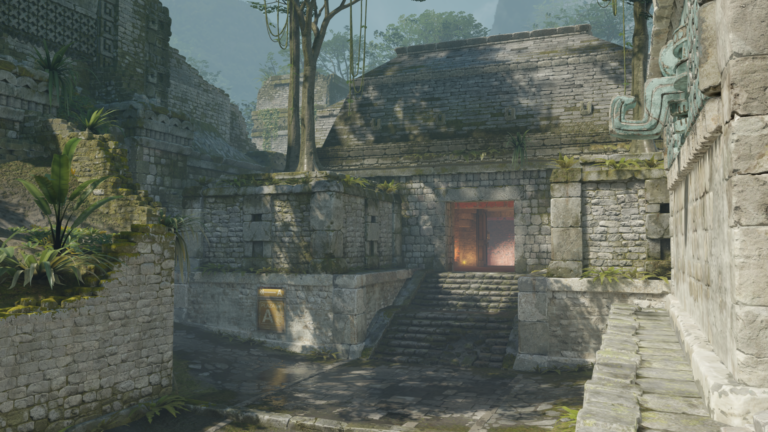
After a period of instability, 9z Team made the bold decision to rebuild its roster. The move came with risks, but it ultimately paid off. By restructuring the lineup and committing to a more consistent competitive approach, 9z found the form they had been missing. Their results improved at exactly the right time, allowing them to climb the Valve Regional Standings and secure a well-earned Major qualification. It wasn’t a dominant run, but it was a smart and efficient one proving that timely decisions can redefine a team’s trajectory.
Their qualification represents more than just a return to the Major stage. For Argentina and the broader South American scene, it reinforces the idea that rebuilding when done correctly can close the gap with stronger regions. 9z adapted to the system, embraced the grind, and delivered when it mattered most.
On the other side of the story lies the devastating outcome for BESTIA. Unlike 9z, BESTIA came agonizingly close to qualifying, only to fall short at the very last moment. Their campaign was marked by strong performances and real momentum, putting them in contention until the final cutoff.
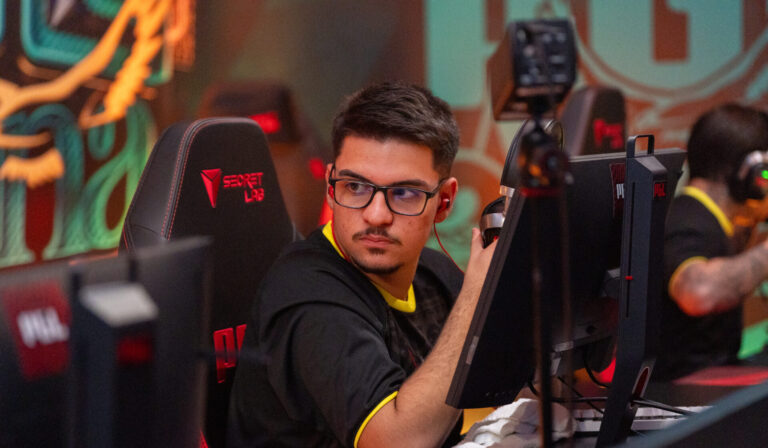
In many ways, BESTIA did almost everything right. They competed, improved, and challenged stronger teams, but the unforgiving nature of the VRS system offers no consolation for “almost.” It rewards only those who secure enough points.. no matter how narrow the margin.
Lynn Vision’s unusual qualification run shocks CS2 scene
In one of the most unusual stories of the road to the IEM Cologne Major 2026, Lynn Vision Gaming secured their place at the Major without needing to win a single playoff match in the final stage of qualification.

Instead of a dramatic playoff run, Lynn Vision’s spot came down to consistent performance throughout the Valve Regional Standings cycle. Their accumulated points across earlier events were strong enough that, by the time the final qualification picture was set, they had already done enough to secure a ticket to Cologne.
The result highlights how modern Counter-Strike rewards long-term consistency over late-stage heroics. While other teams battled through high-pressure elimination matches, Lynn Vision’s steady year-long grind quietly carried them into one of the biggest tournaments in the game.