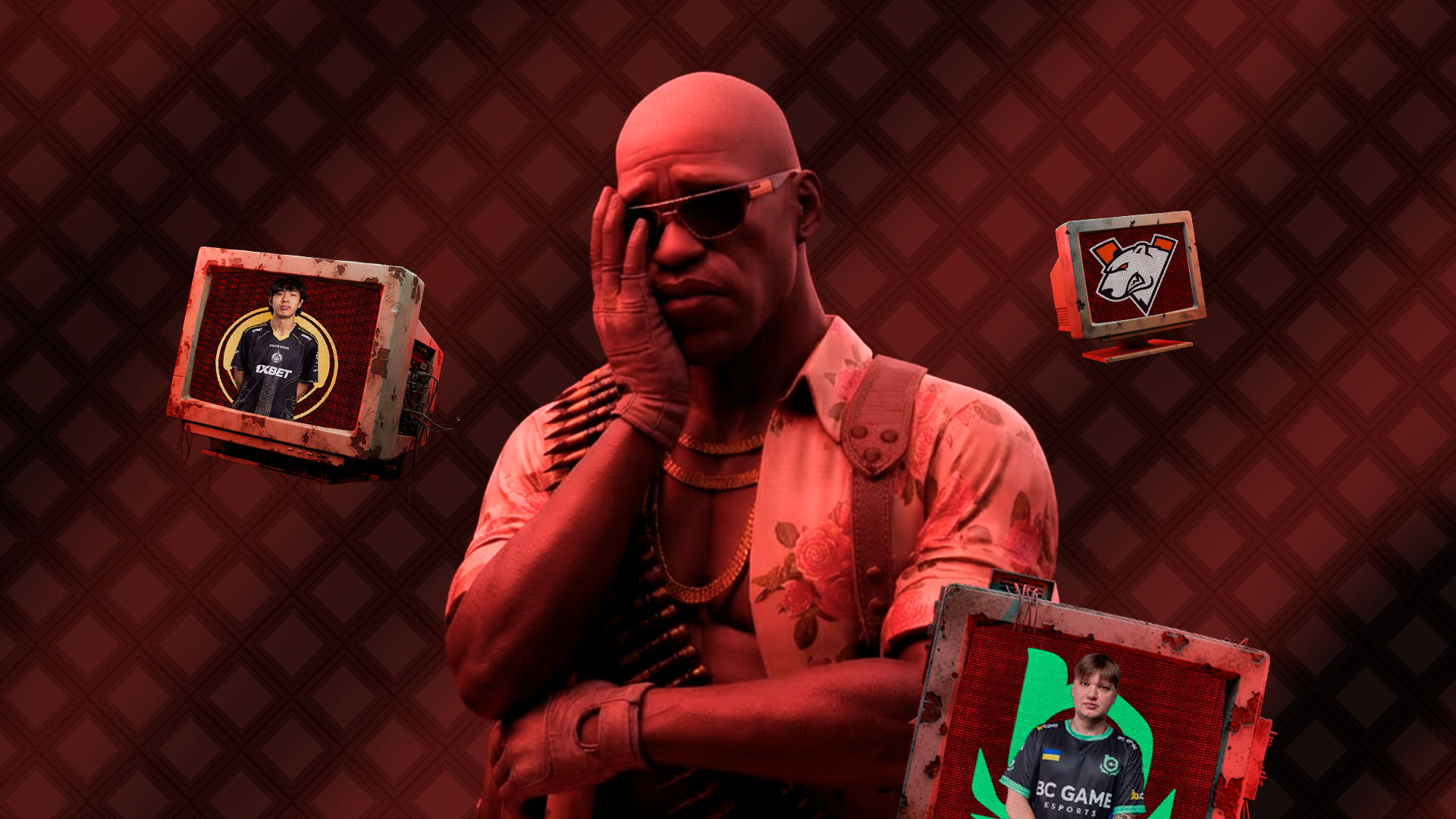
2025 was supposed to be the year Counter-Strike 2 finally settled into itself. The engine transition was behind us, the competitive ecosystem was fully operational, and the calendar was packed with tier-one events. Instead of stability, the year exposed how fragile the system still is. Players burned out at their peak, legendary eras ended overnight, markets collapsed in hours, leagues shut down, and long-promised content never arrived.
These moments weren’t isolated mistakes or unlucky coincidences. They were pressure points — moments where CS2 revealed its limits as an ecosystem. Together, they form a picture of a game that continues to grow in scale and money, but struggles to grow in balance, sustainability, and direction.
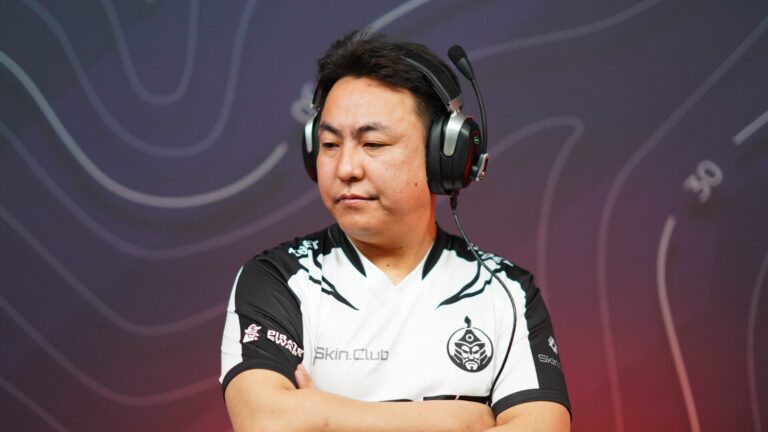
1. The MongolZ bench Senzu at the height of their success
When Senzu was benched by The MongolZ on October 21–22, the timing immediately raised questions. The MongolZ were coming off the most successful period in the organization’s history: a title at Esports World Cup 2025, consistent playoff appearances at tier-one LANs, and recognition as one of the fastest-rising teams in CS2.
Senzu was not a marginal piece of that success. Throughout the 2025 season, he regularly ranked among the team’s top players in impact rating, opening duels, and damage per round. His role as an aggressive rifler was central to the MongolZ playstyle, often enabling space for teammates through early-round pressure.
The organization described the benching as a calm internal decision, with no public conflict. However, in later conversations with Mongolian and Russian-speaking insiders, Senzu explained that burnout played a decisive role. He pointed to constant international travel, minimal downtime between events, and a schedule shaped by the VRS system, where skipping tournaments directly affects ranking and invitations.
Instead of a performance-based decision, the move reflected physical and mental exhaustion. The MongolZ replaced him with a more experienced player rather than a long-term development prospect, signaling a short-term adjustment rather than a rebuild. The situation quickly became one of the most cited examples in 2025 discussions about player workload and sustainability.
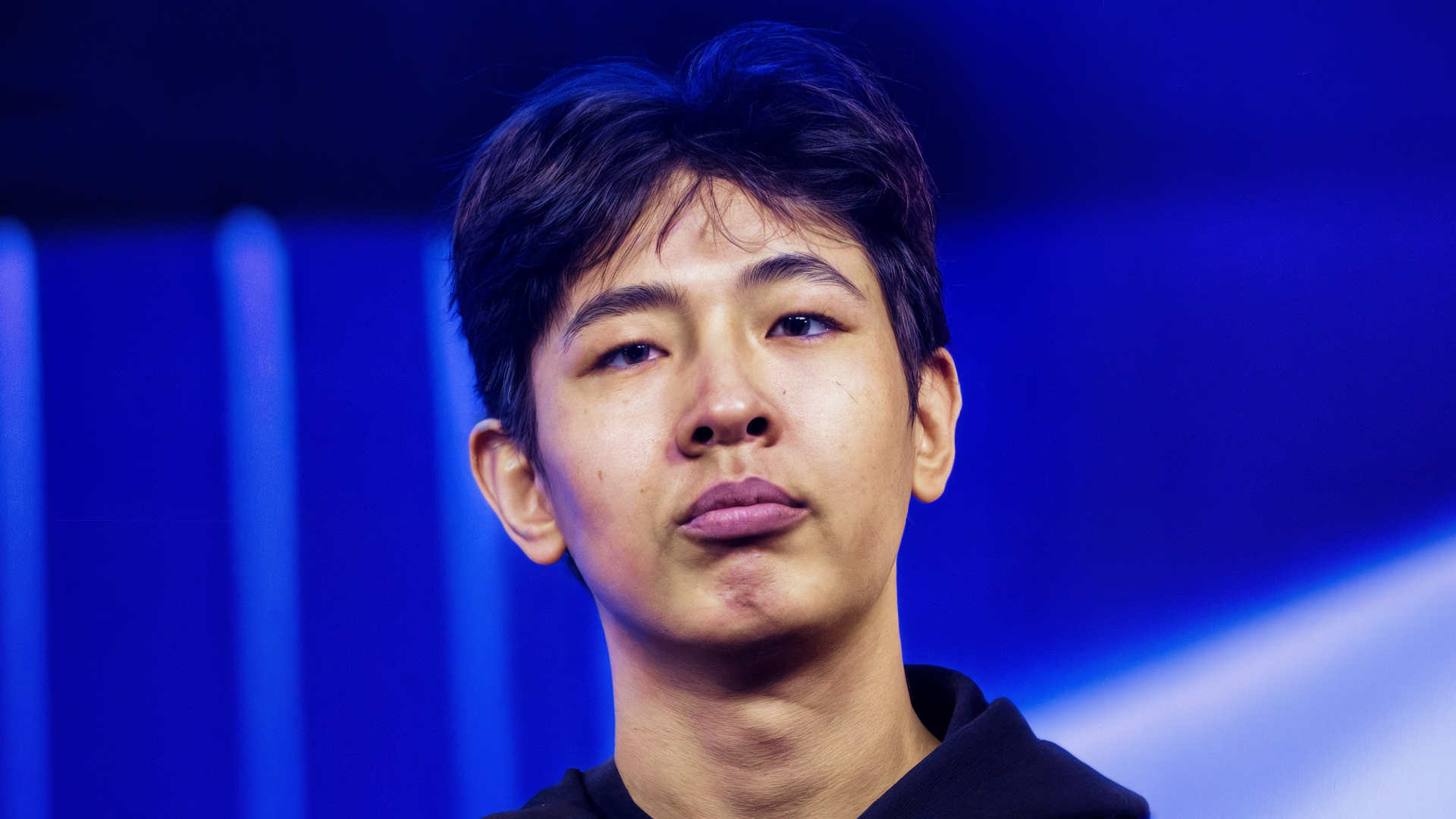
2. rain leaves FaZe after nearly a decade
The benching of rain by FaZe Clan in September 2025 marked the end of one of the longest player–team relationships in Counter-Strike history. Rain had been part of FaZe since January 2016, spending approximately 3,540 days under the same banner.
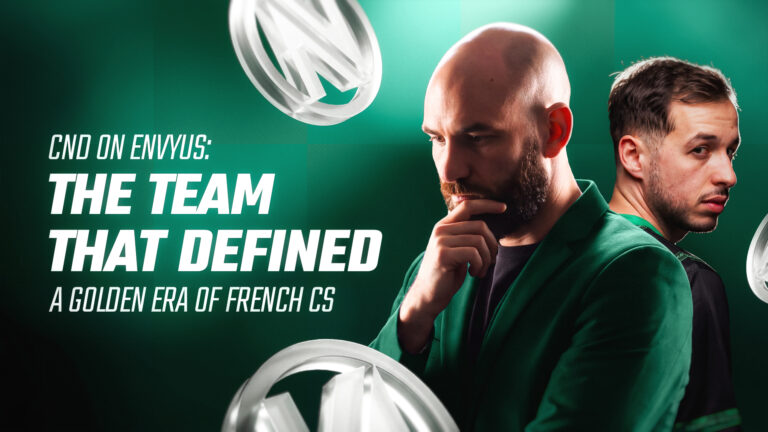
During that time, FaZe went through multiple competitive identities: early superstar rosters, internal collapse, full rebuilds, a Major title at PGL Antwerp, an Intel Grand Slam, and the transition from CS:GO to CS2. Rain remained throughout, adapting to new roles, teammates, and metas.
The decision coincided with FaZe’s move to reintroduce Russel “Twistzz” Van Dulken into the active lineup. From a competitive standpoint, the change was framed as an upgrade in firepower and flexibility. From a historical perspective, it removed the last remaining link between FaZe’s past and present.
In his farewell message, rain emphasized that he was not retiring and intended to continue competing at the highest level. The move reinforced a broader trend in CS2: roster decisions increasingly prioritize immediate optimization over continuity, regardless of legacy.
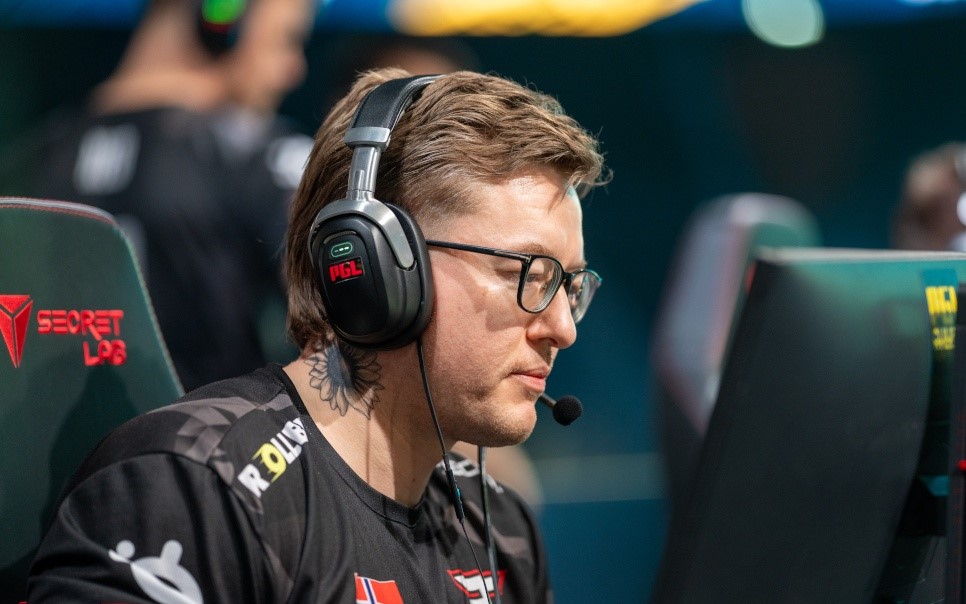
3. s1mple joins BC.Game and the scale of betting influence becomes visible
When s1mple temporarily joined FaZe Clan in 2025, the narrative felt almost perfect. After a long absence from tier-one Counter-Strike, he returned with minimal preparation time and immediately looked competitive. Despite joining the roster on short notice and practicing with the team for only a brief period, s1mple delivered strong individual performances, showed clear motivation, and adapted quickly to FaZe’s system.
Statistically and visually, the comeback worked. S1mple didn’t look washed, disconnected, or behind the meta. On the contrary, he looked like a player who still belonged at the highest level. That made FaZe’s next decision far more significant. The organization chose not to extend the loan or pursue a permanent signing. During the very tournament where s1mple was playing, karrigan reportedly informed broky that he would be returning to the active lineup. The message was clear: s1mple’s stint was always temporary, regardless of performance.
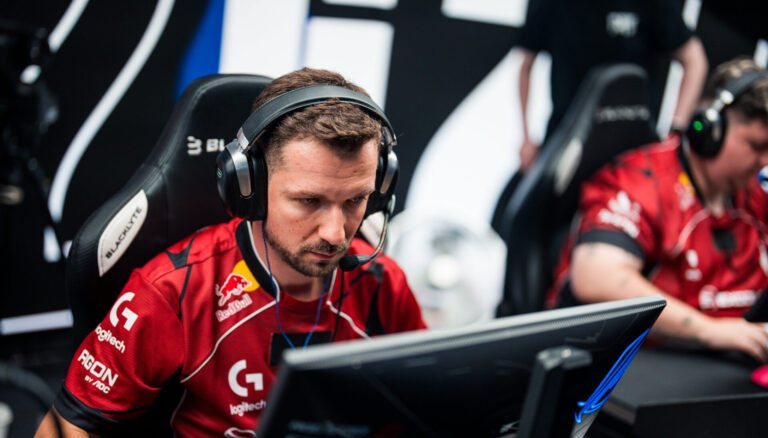
That moment quietly closed the door on what could have been a genuine tier-one comeback. Instead of moving from a successful short-term trial into a long-term project, s1mple found himself without a top-level home again — despite proving, in real matches, that he could still deliver.
His next move shocked many. Rather than joining another tier-one contender, s1mple signed with BC.Game, a project competing largely at the tier-three level. From a branding perspective, the signing was massive. From a competitive perspective, it was a dead end. Throughout his time with BC.Game, s1mple played almost no major international tournaments, remained outside the tier-one circuit, and gradually drifted away from the spotlight he had just reclaimed.
The situation became even more precarious when BC.Game signed SAW’s core, reshaping the roster and pushing the project further into regional competition. Suddenly, s1mple — the most decorated player in Counter-Strike history — was one step away from being locked entirely into tier-three Counter-Strike again, not because of form, but because of structural decisions around him.
The move lost even more coherence with the later signing of electroNic. Once an elite in-game leader and rifler, electroNic had already struggled for years to regain consistent tier-one form. Bringing him into a European lineup, without a clear tactical identity or long-term plan, felt redundant rather than complementary. Instead of building a focused project around s1mple’s strengths, BC.Game assembled a roster heavy on names and light on direction.
In the end, the disaster wasn’t that s1mple joined a betting-backed organization. It was that after proving — in a very short window — that he could still compete at the highest level, he ended up in a project that removed him from it entirely. His return to the scene should have marked a new chapter at tier one. Instead, it became a case study in how even the greatest player of all time can drift into competitive irrelevance when opportunity, timing, and structure fail to align.

4. Power failure halts the Budapest Major
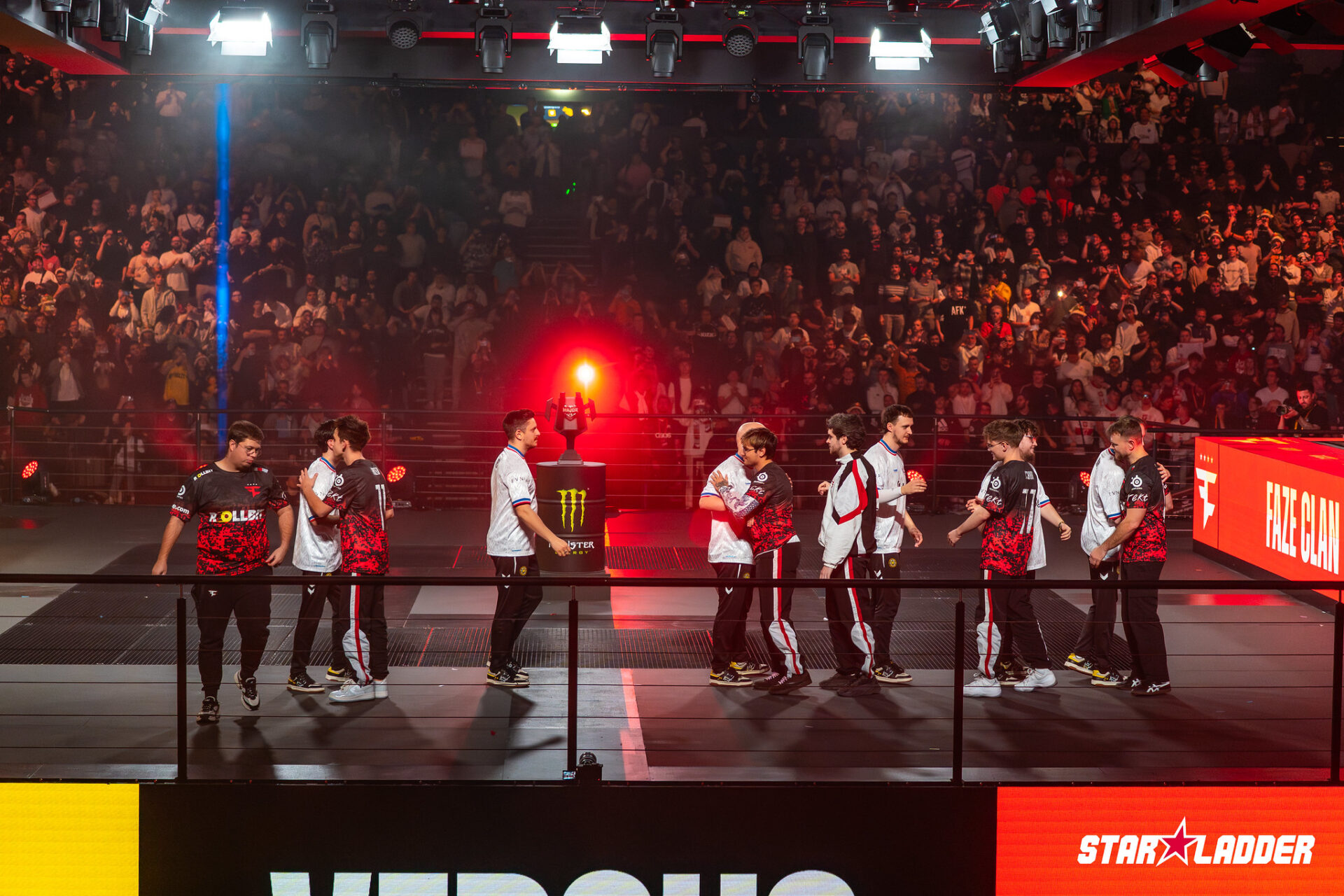
The opening day of the StarLadder Budapest Major 2025 delivered one of the most alarming moments of the season when power issues abruptly halted play. Matches including FaZe vs Lynn Vision and fnatic vs RED Canids were stopped mid-series, players were taken off the stage, and official broadcasts on Twitch and YouTube were forced into extended standby screens.
At first glance, it looked like a worst-case scenario for a Major. But the context matters. StarLadder was returning to hosting a Counter-Strike Major after a long absence, and CS2 itself was still relatively early in its Major lifecycle. Some of the problems appeared to stem from a combination of venue-specific limitations and scenarios that were simply not anticipated at scale — particularly around power redundancy and production fail-safes.
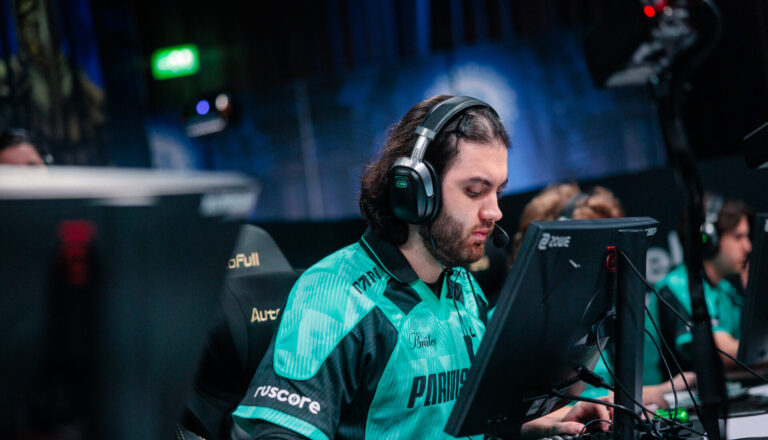
Caster SPUNJ confirmed on air that the issue was related to power supply at the venue, not just a production glitch. For nearly 90 minutes, viewers were left waiting, and the situation understandably raised concerns about preparedness and risk management at the highest level of competition.
What prevented this incident from becoming a full-blown disaster was the response. The technical team managed to stabilize the situation, implement additional safeguards, and resume the event without recurring major delays. From that point onward, the tournament ran largely on schedule, with no further interruptions of similar scale.
As the Major progressed, the narrative shifted completely. The playoff bracket featured seven of the world’s top eight teams, creating one of the strongest and most competitive knockout stages seen in CS2 to date. Matches delivered high-level Counter-Strike, storylines developed naturally, and the overall production quality improved noticeably as the event went on.
In hindsight, the power failure stands as an early warning rather than a defining failure. It exposed inexperience and gaps in contingency planning, but it did not derail the tournament. Instead, it became a reminder that even at the highest level, live esports events are vulnerable — and that how organizers respond can matter more than the mistake itself.
5. Virtus.pro’s lost season
For Virtus.pro, 2025 became another painful reset year — and one of the lowest points in the organization’s modern history. After years of instability, the expectation was that CS2 would offer a fresh start. Instead, Virtus.pro once again found themselves falling behind the tier-one scene.
The most damaging outcome was simple and undeniable: VP failed to qualify for two Major cycles in a single year. Missing one Major can be explained away as a bad run or a transitional phase. Missing two signaled a deeper structural problem. As a result, the team’s position in the VRS ranking collapsed, pushing Virtus.pro far outside the range required for direct invitations to tier-one tournaments.
That drop had immediate consequences. With no invites to the biggest events, VP were effectively locked out of the tier-one circuit and forced to rebuild their ranking the hard way — by attending smaller LANs and regional competitions. For an organization that once defined consistency at the top level, grinding tier-two and tier-three LANs became the only viable path forward.
Throughout the year, Virtus.pro made multiple roster changes in an attempt to stabilize performance. Unlike previous rebuilds, this time the organization avoided expensive star signings. Instead, VP committed to younger players and long-term development rather than buying established names. On paper, that approach was more sustainable and arguably healthier for the future.
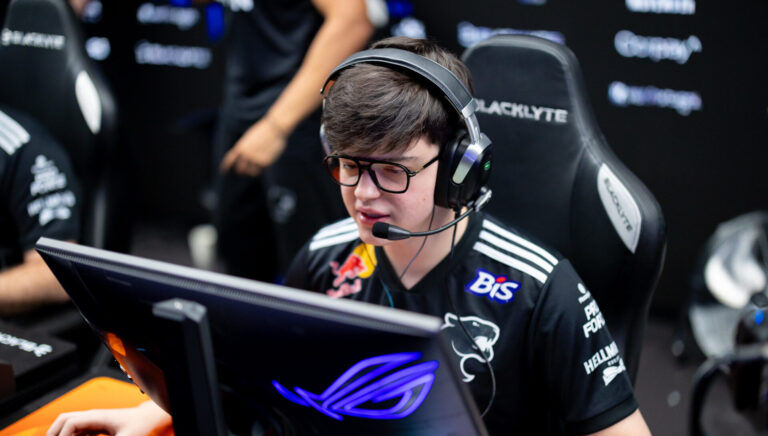
There were flashes of potential. Younger players showed moments of promise, and the team occasionally looked competitive against stronger opposition. But those moments were isolated. Across the season, Virtus.pro lacked cohesion, struggled with leadership consistency, and failed to build momentum. Tactical identity shifted from event to event, and confidence rarely carried over between tournaments.
By the end of 2025, the picture was clear. Virtus.pro had fallen far down the competitive ladder, were absent from the biggest stages, and faced a long climb back through LAN qualifiers and lower-tier events. While the decision to invest in youth rather than stars may pay off in the long run, it did nothing to change the reality of the year itself.
In the context of 2025, Virtus.pro’s season wasn’t just disappointing — it was a full competitive collapse. A historic organization spent the year rebuilding from the bottom once again, with no guarantees that this reset will succeed where the previous ones failed.
6. The October skin market crash
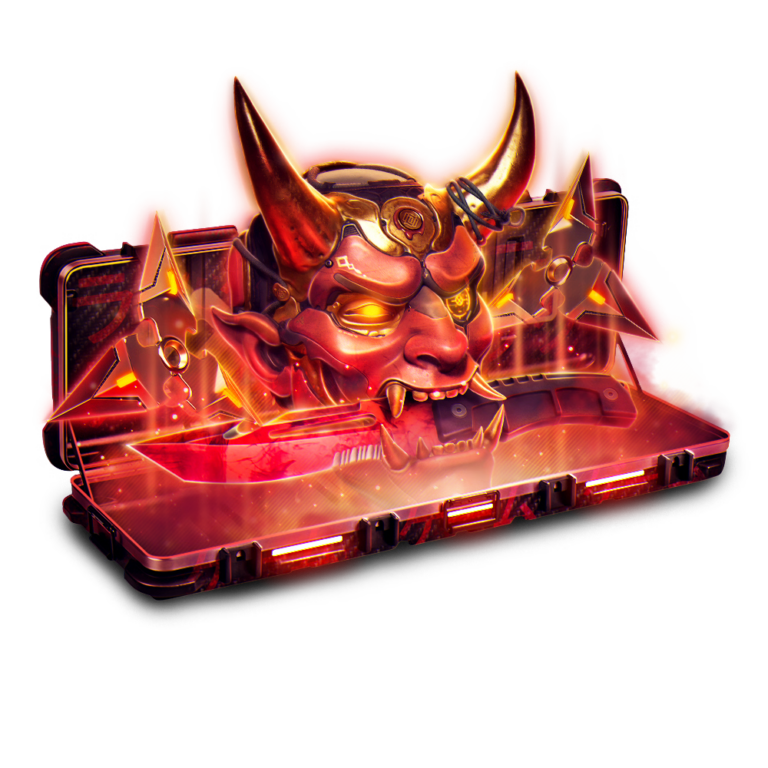
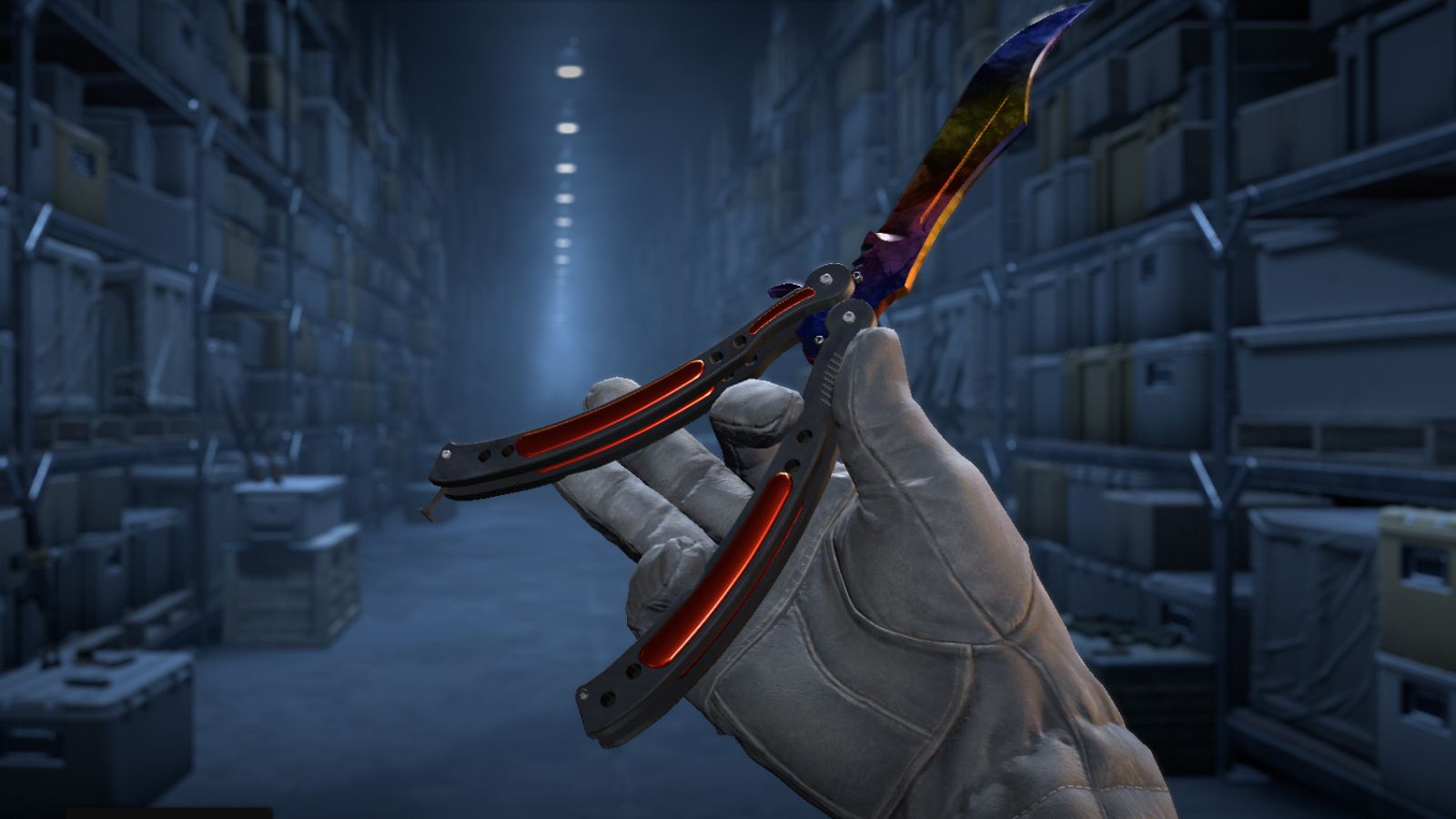
The CS2 update released in late October triggered one of the most dramatic economic shocks in Counter-Strike history. By expanding Trade Up Contracts to allow knife and glove crafting from five Covert skins — including StatTrak variants — Valve effectively rewrote the rules of the skin economy overnight.
For traders and investors, the impact was immediate and brutal. Knife and glove prices collapsed by 55–70% across many popular finishes within hours of the update going live. Market tracking platforms estimated that the overall valuation of the CS2 skin economy dropped from roughly $5.9–6 billion to $4.1–4.2 billion, representing up to $2 billion in paper losses. Individual high-volume traders reported losses ranging from tens of thousands to millions of dollars, as inventories built over years lost value almost instantly.
For this group, it was a genuine crash. Many had treated skins as long-term assets, relying on scarcity and historical price stability. The update shattered that assumption. Even though parts of the market partially rebounded in the following days, confidence did not. The message was clear: no item, no matter how expensive or rare, is protected from systemic change.
At the same time, the reaction from the broader player base was noticeably different. For regular players — the majority of the CS2 community — the crash had an upside. Knives and gloves, long seen as luxury items accessible only to a small percentage of players, suddenly became far more affordable. Skins that once felt completely out of reach dropped into price ranges that casual and semi-competitive players could realistically consider.
Community sentiment reflected this split. While traders spoke openly about devastating losses, many players welcomed the shift, arguing that cosmetic items should not function as speculative assets in the first place. From that perspective, the update democratized access to some of CS2’s most iconic items and reduced the gap between collectors and everyday players.
This duality is what defines the October crash. Financially, it was one of the most painful moments the skin market has ever seen. Socially, it reshaped perceptions of value and ownership in CS2. The economy took a hit, but for many players, the game itself became a little more accessible than it had ever been before.
7. Supernova Comets and the ESL Impact controversy
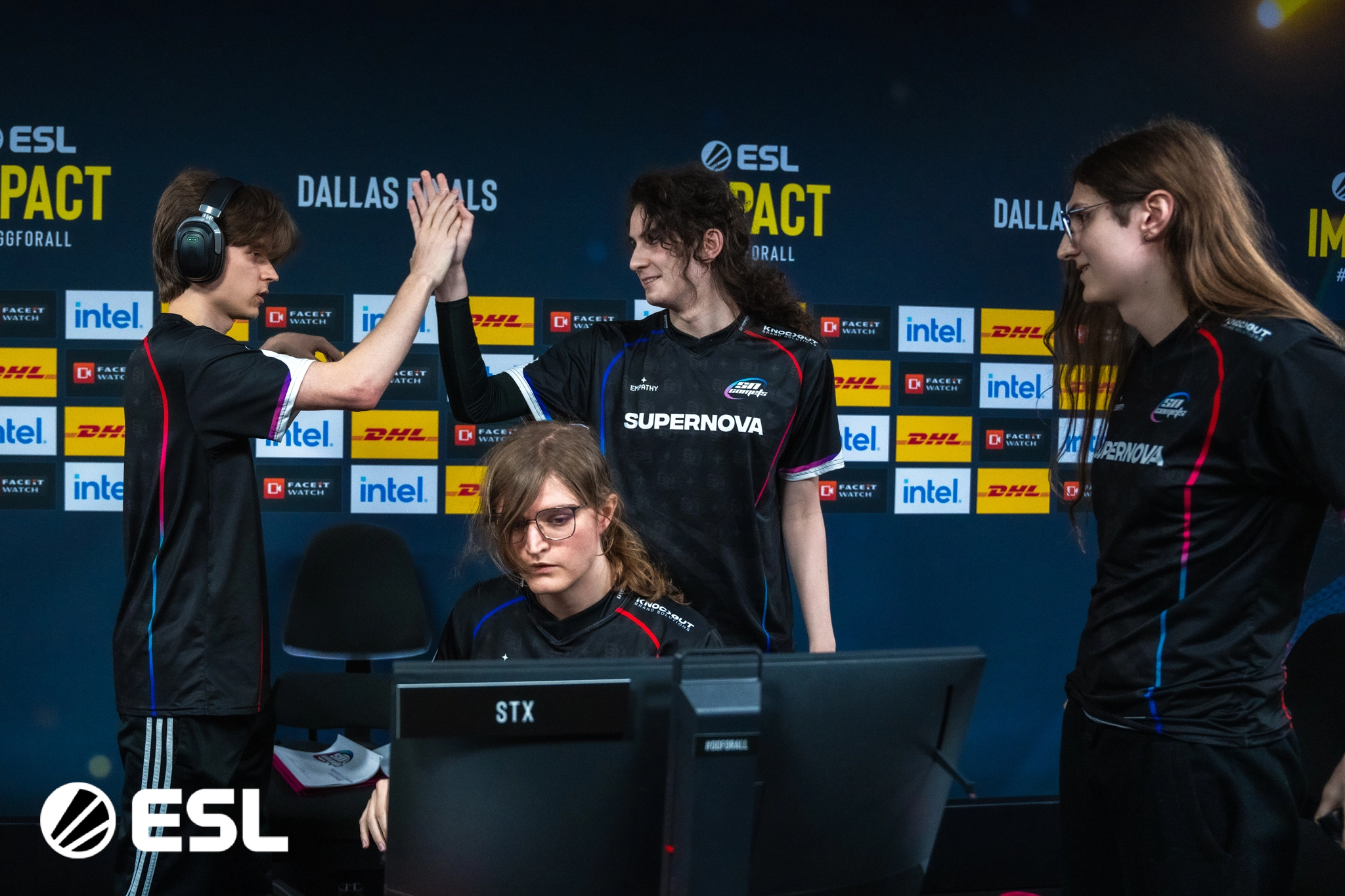
During IEM Dallas 2025, ESL held the finals of ESL Impact Season 7 at the same venue. What was intended as a showcase for the women’s scene instead became the center of one of the most debated moments in CS2 during 2025.
The focus was Supernova Comets, a North American roster composed entirely of transgender women, who reached the grand final. The team was formed on February 5, 2025, built by coach Ink, and featured Lucy “empathy” Verkaik, Wrenna “Stx” Trampel, Lydia “Fawx” Dalton, Raven “raven” Sol, and Sylvie “Serendipity” Splaver. Prior to 2025, the players had competed mainly within the women’s circuit, without major results in mixed-gender tournaments.
Supernova Comets dominated the North American division of ESL Impact Season 7, winning all group matches 2–0, including games against FlyQuest RED and Lumen fe. They advanced to the global finals, where they finished second after losing to FURIA Female. Outside the Impact ecosystem, results were more modest, with losses to teams such as GameHunters, Legacy, and MIGHT in open events like Thunderpick and Fragadelphia.
The controversy escalated after their semifinal win against Ninjas in Pyjamas Female. NiP Female’s coach NaToSaphiX claimed that members of Supernova Comets mocked his players with the phrase “Welcome to North America” following the match.
Further attention followed comments made by Semmler on the Revenge of By the Numbers podcast, where he questioned the participation of transgender women in women’s leagues. ESL reiterated that its rules, in place since 2021, allow transgender women to compete in ESL Impact with documented gender identity and no medical requirements.
Later in 2025, ESL FACEIT Group announced the suspension of the ESL Impact circuit after eight seasons, citing a restructuring of the competitive ecosystem.
8. Imperial fe compete at a tier-one tournament
The appearance of Imperial fe at multiple tier-one tournaments in 2025 was unprecedented. Through consistent grinding of women’s competitions, the team earned qualification into men’s tier-one events, including IEM Katowice 2025, BLAST Bounty 2025, and PGL Cluj-Napoca 2025. This was not a symbolic invite or a showmatch — Imperial fe qualified under the same competitive conditions as any other team.
The moment carried enormous expectations. For the first time, a full female roster had reached the highest tier of men’s Counter-Strike through competitive results. Many hoped this would mark a breakthrough — proof that the gap between women’s and men’s CS was narrowing faster than previously believed.
What followed was the opposite. Across all tier-one appearances, Imperial fe lost every match they played, failing to win a single map. The games were not competitive, and the gap in individual skill, pace, and mid-round decision-making was immediately apparent. Against elite opposition, the team struggled to find footing in almost every aspect of play.
The results quickly shifted the narrative. What began as a historic opportunity turned into a harsh reality check. Instead of validating the strength of the women’s competitive ecosystem, the run exposed how wide the gap still is when transitioning directly from women’s tournaments to the highest level of open competition.
By the end of their tier-one appearances, Imperial fe’s campaign was widely viewed as a failure — not because they qualified, but because the results reinforced doubts about whether the current women’s circuit can realistically prepare teams for elite mixed competition. The moment that was meant to elevate women’s Counter-Strike instead became one of the most sobering episodes of the 2025 season.

9. CYPHER benched after helping fnatic qualify for the Major
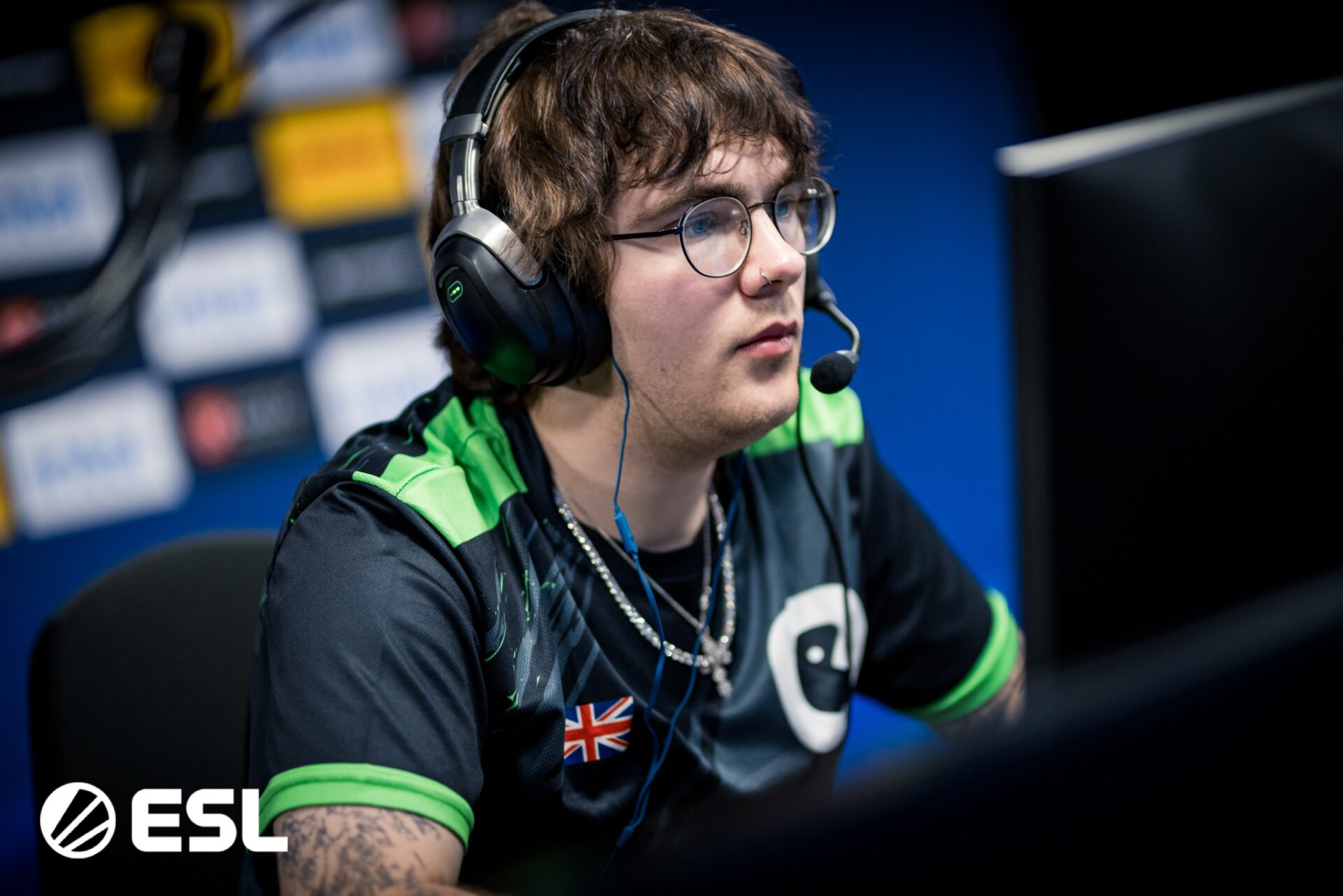
One of the most controversial roster decisions of 2025 came just weeks before the StarLadder Budapest Major 2025. Fnatic officially announced that CYPHER, who had helped the team qualify for the Major only three months earlier, was being replaced by Ukrainian player jackasmo.
The timing made the situation particularly sensitive. CYPHER joined fnatic in late July 2025, replacing MATYS after his transfer to G2. During his short stint, fnatic won two key LAN events — DraculaN Cup and Fragadelphia Blocktober. The latter proved decisive, as it secured fnatic their first Major qualification in almost two years through valuable VRS points.
Individually, CYPHER’s numbers were solid rather than spectacular. Over the three-month period, he averaged a 1.00 rating, which was considered acceptable for an entry fragger. In the most important series of the run — the Fragadelphia Blocktober final against 9INE — CYPHER delivered fnatic’s best performance with 91 kills, playing a direct role in securing the Major slot.
Despite that contribution, fnatic opted to make a change immediately after qualification. The paradox was obvious: the player who helped earn the Major spot would not be the one playing at the Major. The situation became even more unclear when fnatic confirmed they were effectively operating with a six-man roster, without publicly committing to a final lineup for Budapest.
In an interview, fear stated that no final decision on the Major roster had been made at that point, creating uncertainty during the most important preparation period of the season.
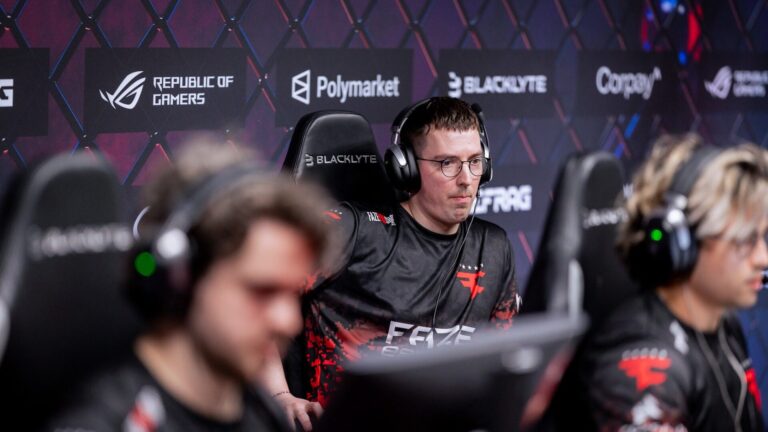
Community reaction was swift and overwhelmingly negative. British caster Dweg questioned the logic of the move, suggesting other roster changes would have made more sense. Host James Banks called the situation “a disaster,” pointing out that CYPHER had been crucial in qualification and was already preparing for international travel. Analyst Travis echoed similar concerns, highlighting CYPHER’s role as an entry fragger and his impact during qualifiers.
The emotional response intensified after public comments from CYPHER’s girlfriend, who criticized fnatic for benching him immediately after qualification without clear communication. Her posts resonated strongly with fans and added a human dimension to what was otherwise framed as a strategic decision.
From fnatic’s perspective, the move aligned with a longer-term plan. With jackasmo’s arrival, the roster leaned heavily into a Ukrainian core, reuniting players with existing chemistry from Passion UA. Statistically, jackasmo posted a slightly higher 1.01 rating over the same period and had already stood in for fnatic at Fragadelphia Blocktober, familiar with the team’s structure.
Even so, the manner and timing of the decision defined the narrative. Regardless of long-term intentions, the situation was widely viewed as an example of how players can become expendable immediately after delivering results. In a season already marked by instability and cynicism, CYPHER’s benching stood out as one of the clearest cases where competitive contribution and opportunity failed to align.
10. Another year without a CS2 Operation
By the end of 2025, one question had become impossible to ignore: where is the Operation? Another full year passed without a large-scale CS2 Operation, despite repeated expectations from the community and a player base that continues to grow in both activity and spending.
On paper, Counter-Strike 2 is doing well. Player numbers remain strong, the esports calendar is packed, and the skin economy — despite volatility — continues to generate massive engagement. But for everyday players, the experience feels increasingly hollow. Outside of competitive matchmaking, there is little sense of progression, purpose, or long-term engagement beyond grinding ranks.
Historically, Operations filled that gap. They provided structure: missions, rewards, PvE content, co-op experiences, and reasons to log in beyond winning or losing Elo. In late CS:GO, Operations became a core part of the game’s lifecycle. In CS2, that pillar is still missing.
Instead, Valve delivered incremental updates throughout 2025 — map adjustments, Retakes mode, technical fixes, and economy-altering changes like the knife crafting update. While these changes mattered, they did not replace what an Operation traditionally offered: a sense of momentum and seasonal identity.
The frustration within the community is not about neglect, but about missed opportunity. CS2’s active player base suggests that the ceiling is higher than ever. With modern infrastructure, stronger esports visibility, and a massive cosmetic ecosystem, an Operation could push engagement even further. Yet year after year, that potential remains untapped.
By now, the absence itself has become the story. Another year without an Operation reinforces the perception that CS2 is growing as an esport and a marketplace, but stagnating as a live service game. For many players, it feels like Counter-Strike keeps moving forward — just without taking them along for the ride.
A warning, not a collapse
The disasters of 2025 didn’t stop Counter-Strike 2 from growing, but they revealed how uneven that growth has been. The scene expanded in scale, money, and visibility, while stability and sustainability often fell behind. Players burned out, trust was shaken, and long-promised content never arrived.
CS2 remains one of the strongest titles in esports, but 2025 made one thing clear: growth alone is not enough. Without balance — between competition and care, economy and trust, ambition and structure — the cracks will only become harder to ignore.