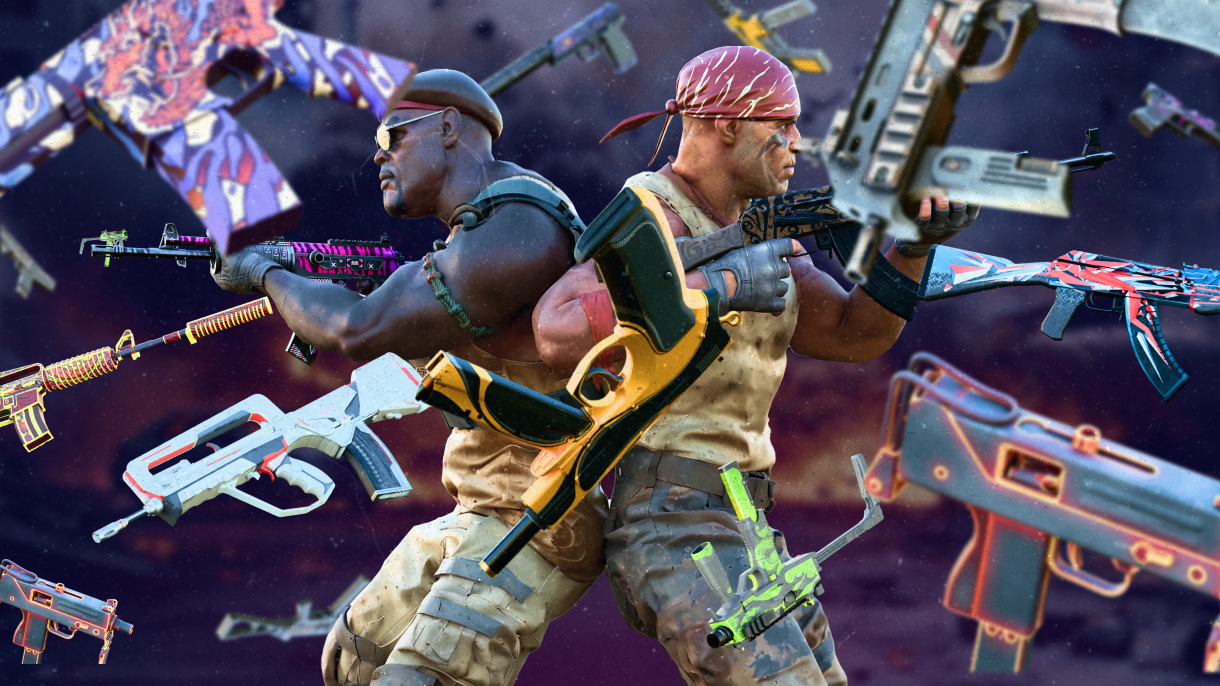
Fade patterns in CS2 are one of the most talked-about finishes in CS2 skins, and for good reason. Certain fade patterns are hard to find, and that scarcity has turned them into status items for collectors and everyday players alike. When a weapon has a strong fade, it often stands out immediately in-game, which only adds to the demand – and the price tag. In this guide, we’ll tell what the fade pattern is and why it costs so much. We’ll cover how fade works across knives, regular weapons, and even gloves, then explain fade percentage values and what they actually mean. You’ll learn how to check a CS2 skin’s fade percentage so you can compare listings and spot better patterns fast.
CS2 Fade Pattern Features
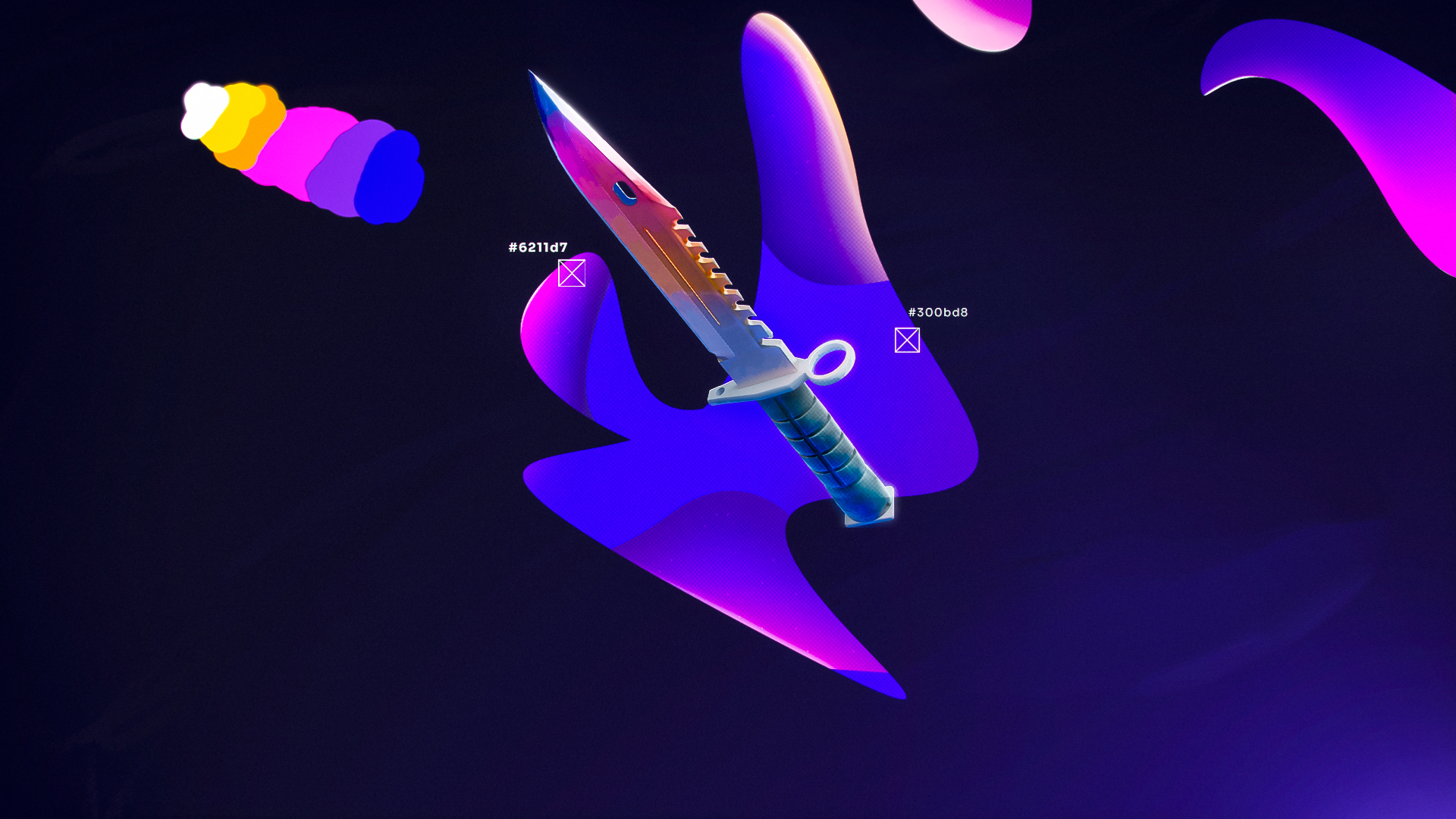
The Fade pattern is known for its smooth color transition across a skin, shifting between several tones to form a clear gradient. Players like it because it’s easy to recognize in-game and looks different depending on how much of the gradient appears on the model. Another reason it holds value is availability: only certain skins can spawn with Fade, and not every roll looks equally good.
Why Fade Is Popular
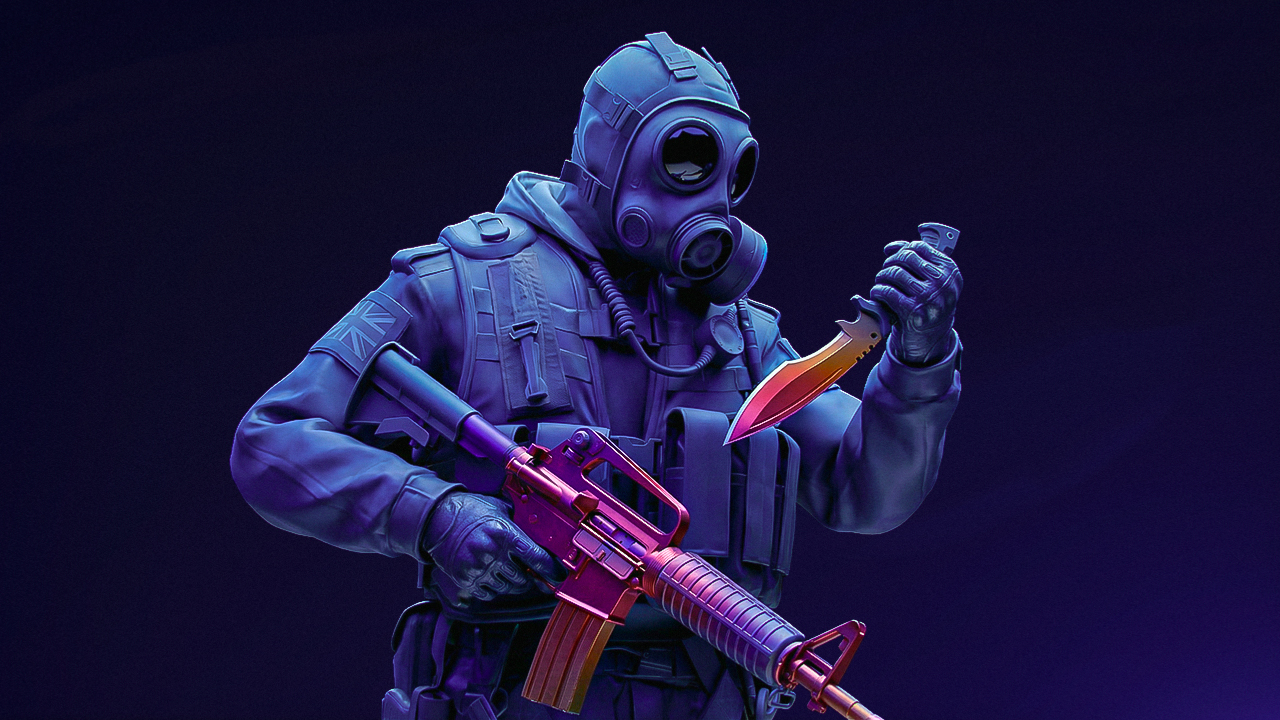
Fade has stayed in demand for years because it sits at the intersection of looks and market logic. It’s recognizable at a glance, but it doesn’t depend on a complex theme or character art, so it fits almost any loadout. It also gives buyers something to hunt beyond wear: people compare how the colors land on the model and treat better-looking versions as upgrades.
- Clean gradient that reads well in motion.
- Each skin can look slightly different depending on the pattern.
- Limited to specific weapons, which keeps supply lower.
Fade Pattern on Knives
Fade knives are the most well-known version of the finish, mostly because the blade gives the gradient a large surface. On many models, the Fade can run from the handle area toward the tip, and small changes in placement can noticeably affect the final look.
- Most recognizable Fade category due to the blade area.
- Pattern placement matters: Some fades show more of one color than another.
- Fade percentage affects value: Higher fades tend to sell for more.
- Knife model impacts price: Certain knives are more desirable regardless of finish.
- Condition still matters: Wear can reduce clarity and resale value.
Knives with near-max or full Fade are typically priced at the top of the market. Depending on the model and how strong the Fade looks, high-percentage versions can reach into the thousands, which is why they’re often treated as long-term collector items rather than casual buys.
Fade Pattern on Weapons and Gloves
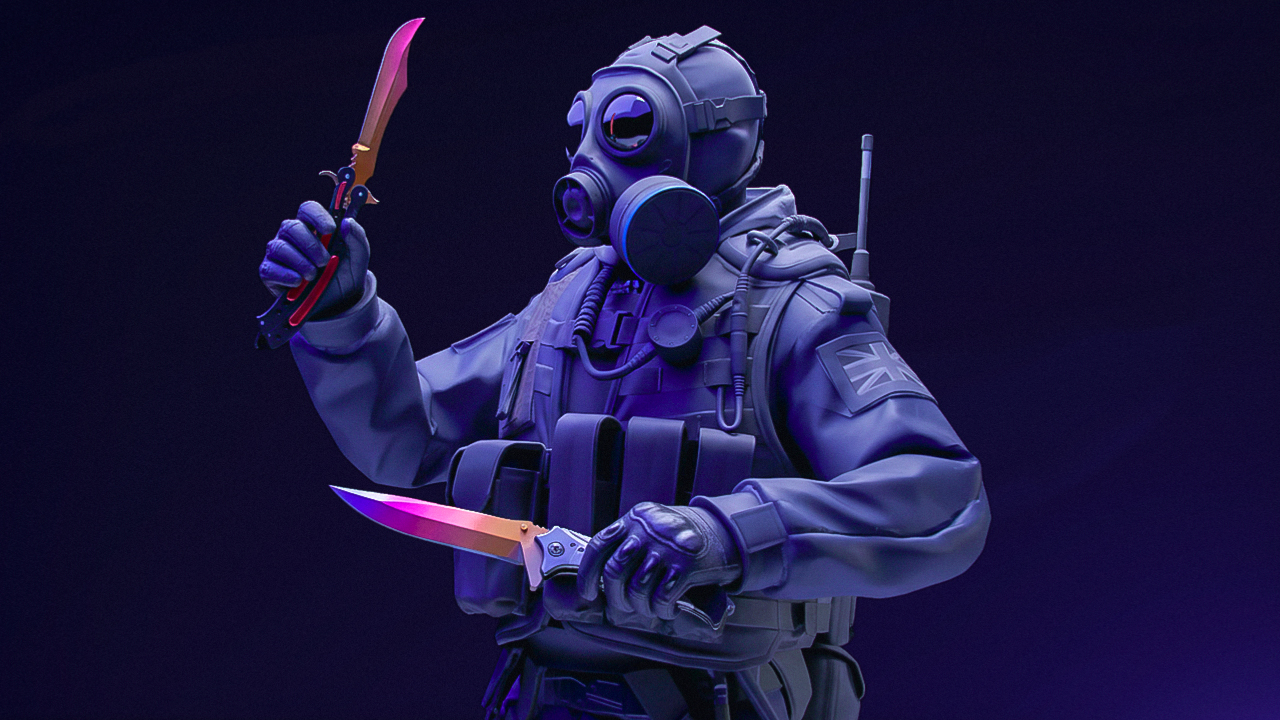
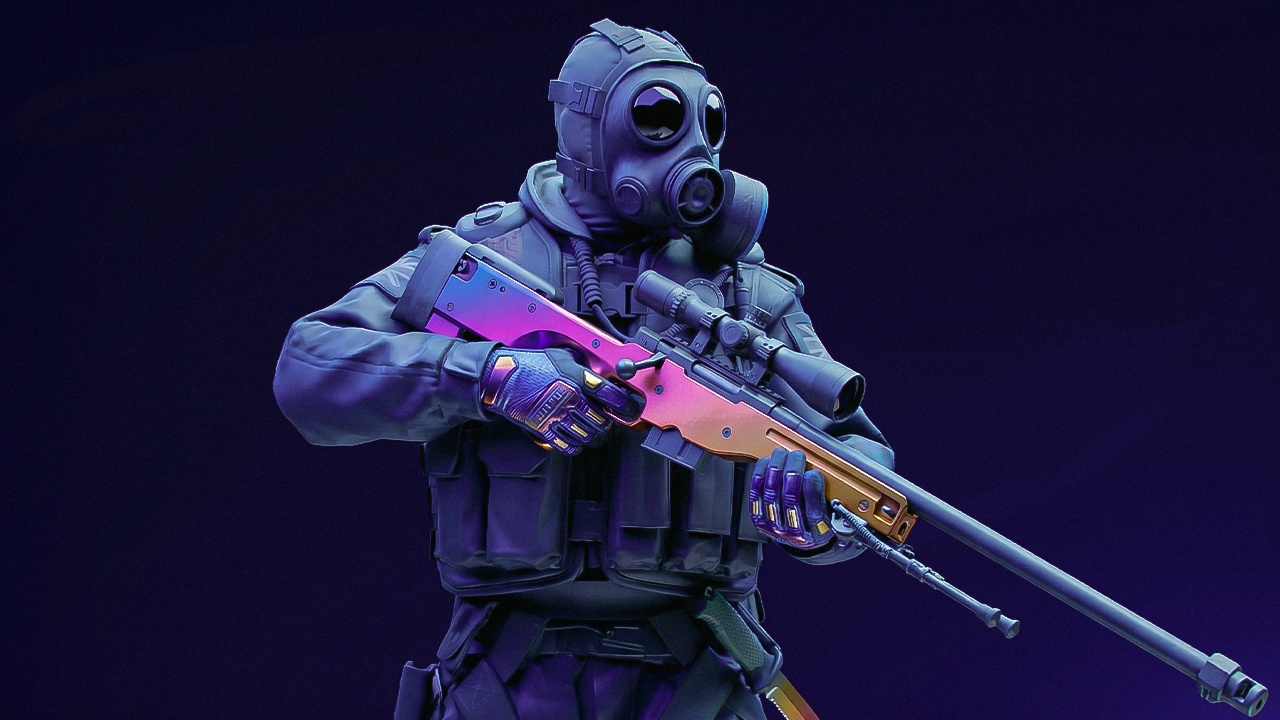
Fade isn’t limited to knives. A smaller set of weapon skins and some gloves can also roll with a fade-style finish, though you’ll see them less often. Prices vary a lot because the market weighs three things: the item itself, its wear, and how much of the fade shows on the model. In practice, that means you can find Fade items for a few dollars, while higher-end versions can climb into the hundreds.
You’ll also hear collectors talk about “Factory New Full Fade”. This usually means a skin that combines Factory New wear with a 100% fade. Because both factors are hard to land at the same time, listings like this can reach very high prices, and they tend to attract long-term collectors.
Range of Fade Percentage Values
Fade is usually discussed as a percentage, but it’s not a simple “bad vs perfect” scale. Most skins fall somewhere between the extremes, and communities often group those ranges into labels people use when trading or listing items. Common terms you’ll see include:
- Max Fade (90–100%)
- Fake Full Fade (70–89%)
- True Fire & Ice (0–69%)
Those labels aren’t official game categories, but they’re useful shorthand. Higher fade percentages often sell for more because the gradient looks more complete on the model. Lower ranges can still be desirable when the color placement looks balanced or matches what a buyer is specifically hunting for.
How to Check Fade Percentage Values
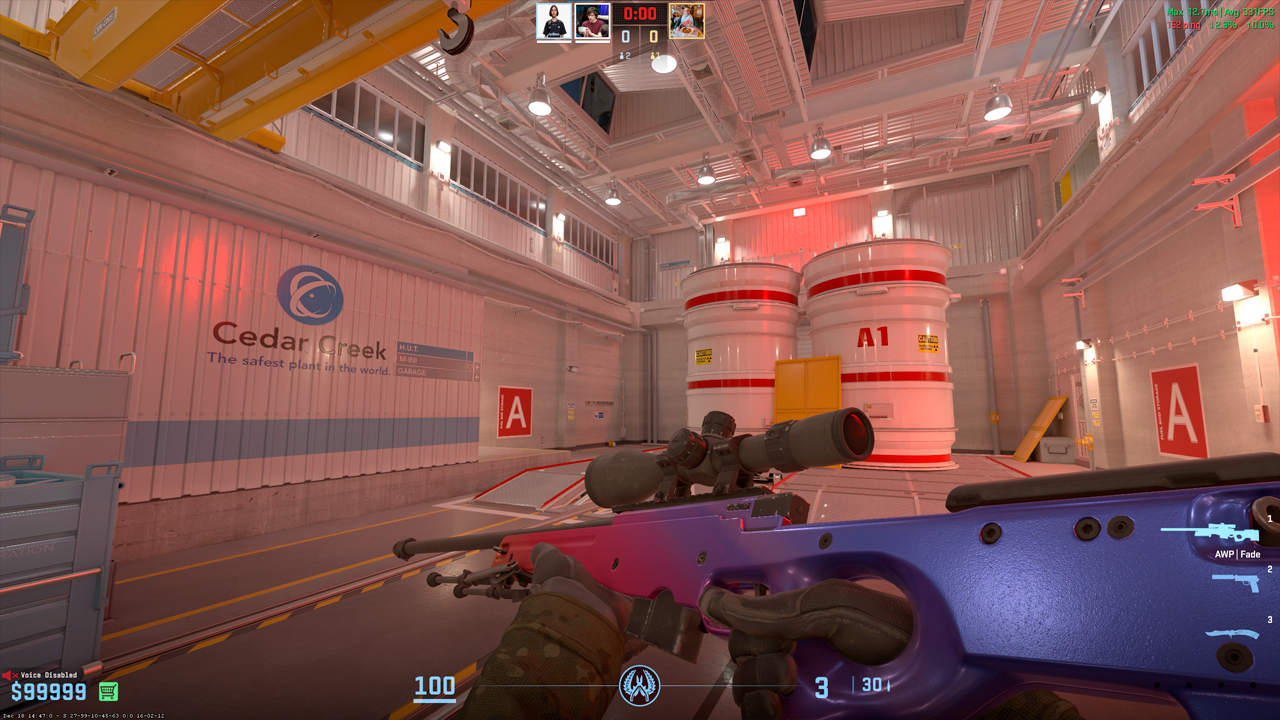
- Inspect in-game: To check the fade percentage of your skin, simply inspect it in your CS2 inventory. The game will often display a rough estimate of the fade percentage.
- Third-party websites: Various websites and marketplaces provide detailed information about the fade percentage of skins, including the specific percentage and pattern category, helping you determine the rarity and value of your item.
Understanding price ranges and rarity across fade patterns is important for traders in CS2. Players often target high fade percentages on knives, while others look for specific patterns like True Fire & Ice. Knowing what these terms mean makes it easier to judge value, compare listings, and avoid overpaying. Fade continues to hold its place in the market because it signals taste, status, and long-term demand.
What to Remember About CS2 Fade
In this guide, we covered how the CS2 Fade pattern works across knives, weapons, and gloves, and why fade percentage matters when comparing skins. Since the visible gradient can shift from item to item, two skins with the same name can still look different in-game, which is why pattern checking has become part of buying and trading. Fade is tied to limited availability, demand, and a clear hierarchy of better patterns based on percentage and placement. For collectors, that can mean tracking specific ranges or top-end rolls. For regular players, it can simply mean picking a finish that fits their loadout. With the basics in place, it’s easier to judge value and shop with confidence.


![How to Fix Packet Loss in CS2: Full Guide [2026]](https://community.skin.club/wp-content/uploads/2026/01/Main-x-Name-1.jpg.webp)