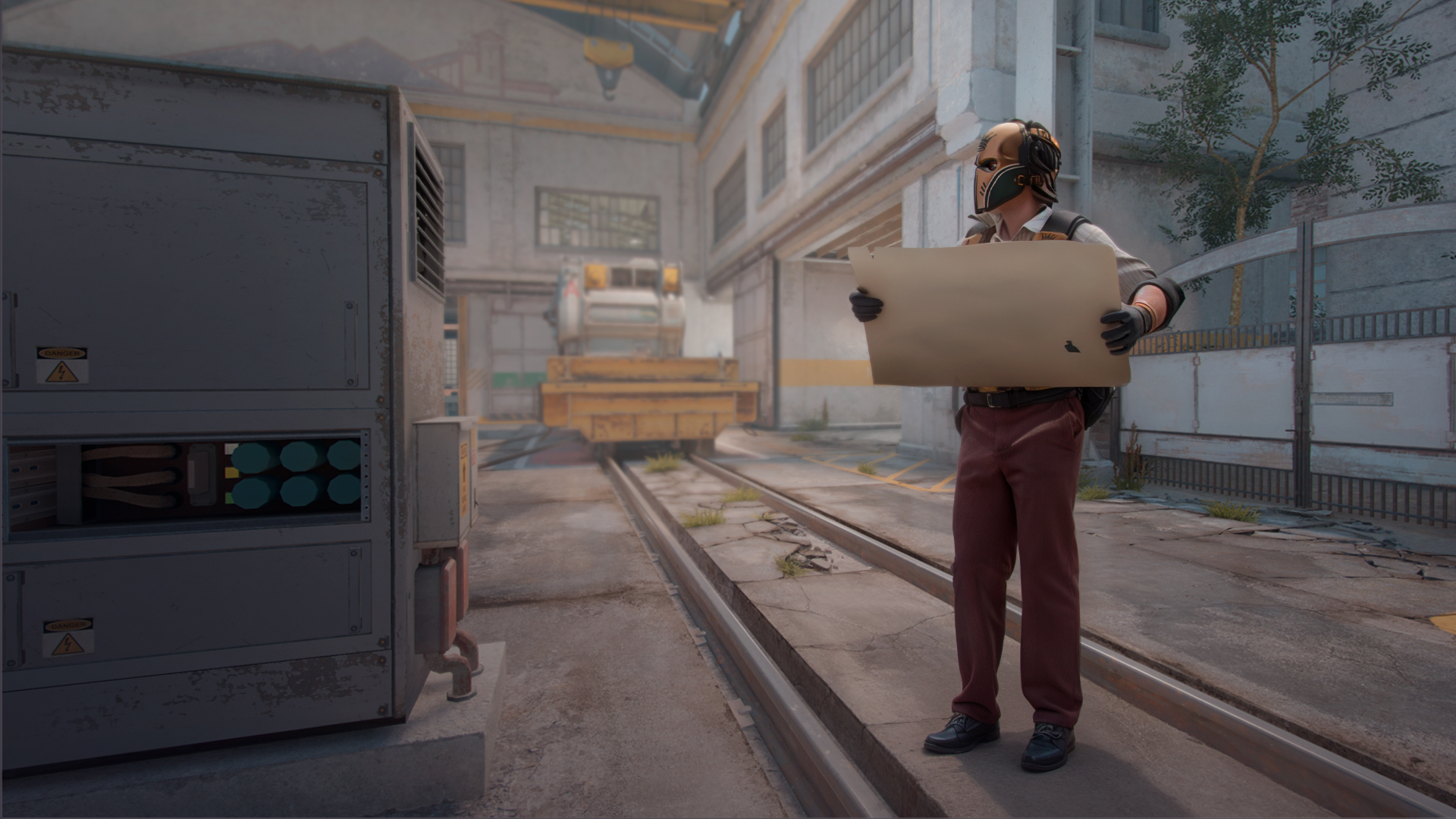

Counter-Strike 2 has brought Train back into the spotlight with major changes to its layout and mechanics. It retains the classic bomb defusal format, where Terrorists attempt to plant explosives near critical assets while Counter-Terrorists strive to thwart them. Though inspired by older iterations of Train, this new version demands updated communication strategies and fresh perspectives on map control. Our comprehensive guide to Train CS2 callouts helps players coordinate like never before, offering precise information for each critical zone on the map. We will explore every corner, corridor, and vantage point, ensuring that squads can maximize their tactics and secure multiple victories.
Why Train CS2 Callouts Matter
We understand that effective communication can make or break a match on CS2 Train. When teams coordinate callouts meticulously, they can rotate faster, execute strategies cleanly, and counter surprise tactics more effectively. Train has long been a favored map in tournaments and public matches alike. Precise Train callouts help teams respond to unusual situations, such as last-minute pushes on B or sneaky flanks around Ivy. Having a common language for all these locations ensures that each teammate understands exactly where threats are emerging and how best to respond. It’s the key to maintaining map control and achieving victory during high-pressure rounds.
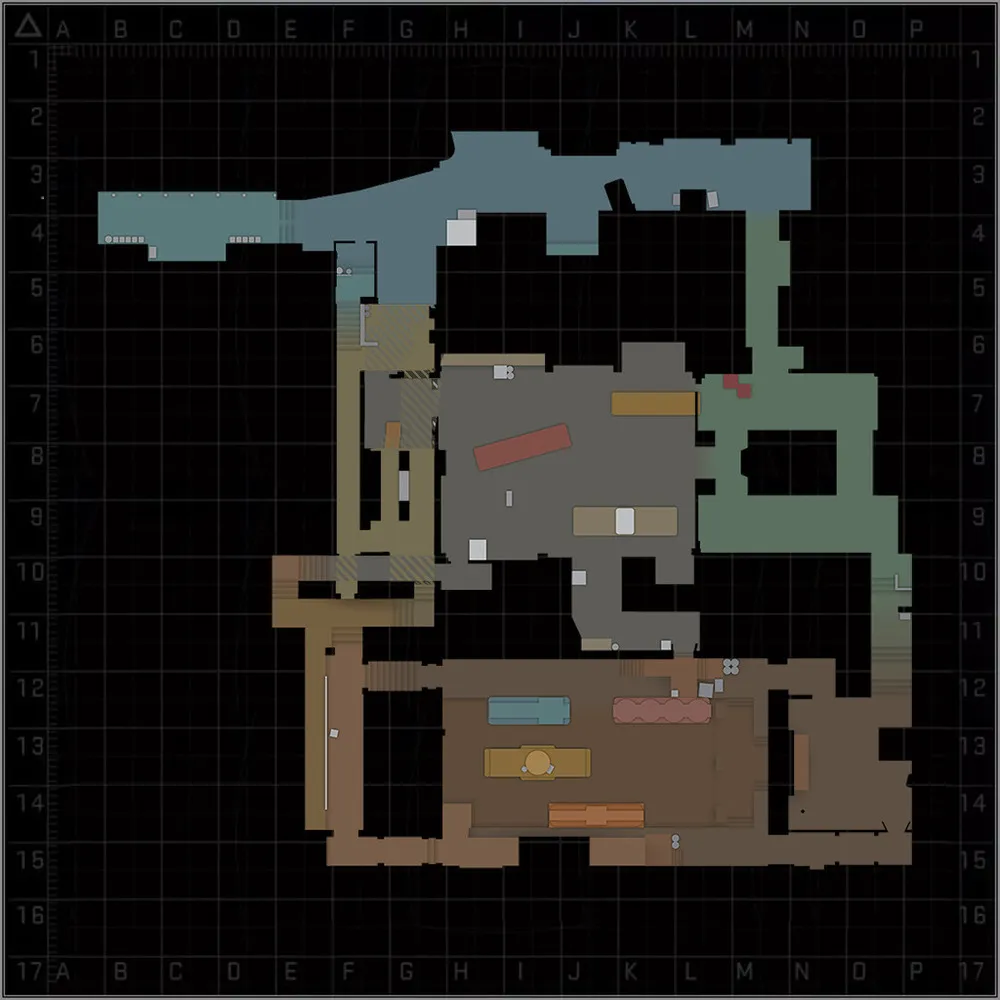
The updated Train in CS2 introduces drastic reworks on both A and B Sites, along with significant corridor and vantage point shifts. Nuclear cargo containers, futuristic energy setups, and altered train carriages present new cover possibilities and lines of sight. The revised layout adds to the challenge, as players must adapt to unfamiliar spaces and angles.
CS2 Train A Site Callouts
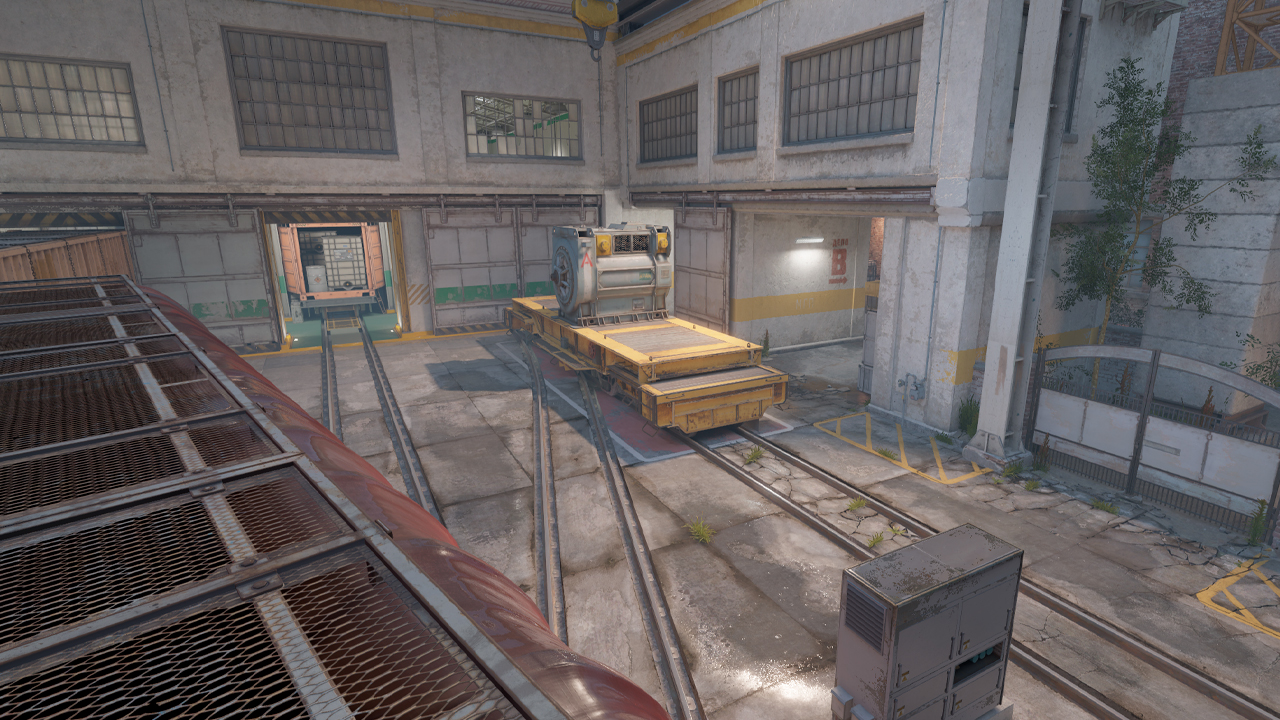
- A Main: Often the main route for Terrorists to enter the A Site. A Main lines up near the CT entrances, making it a focal point for quick engagements.
- Olof: Named after legendary player olofmeister, Olof is a slightly raised box near the wall at A. Although it might appear innocuous, it’s a strong position for peek-and-shoot tactics.
- Electrical (E-Box): Near the center of A, Electrical features a box that can offer cover and vantage angles. In pressure situations, it serves as a pivot for players to fall back to, or push around to control the midsection of the site.
- Hell: Close to Yellow, Hell is a compact area providing angles onto both Ivy and the main site. Because it is partially enclosed, Hell is excellent for last-second defenses or fast hits if coordinated with a smoke in other key angles.
- Yellow: As one of the signature trains on the site, Yellow acts as partial cover and vantage.
- A Red: Another defining train in the center. A Red is a multi-purpose vantage used for partial cover. Skilled players often use it for advanced peeks or to pivot around, catching opponents off-guard.
- A Site: The literal bomb-plant area. In CS2 Train, this portion is more open than in previous iterations, providing both T-sides and CT-sides with sweeping lines of sight.
- Old Bomb: The alley nearest CT Spawn, running between CT Stairs and Ivy, named for the old Bomb Train that used to be on A in past versions of the map.
CS2 Train B Site Callouts
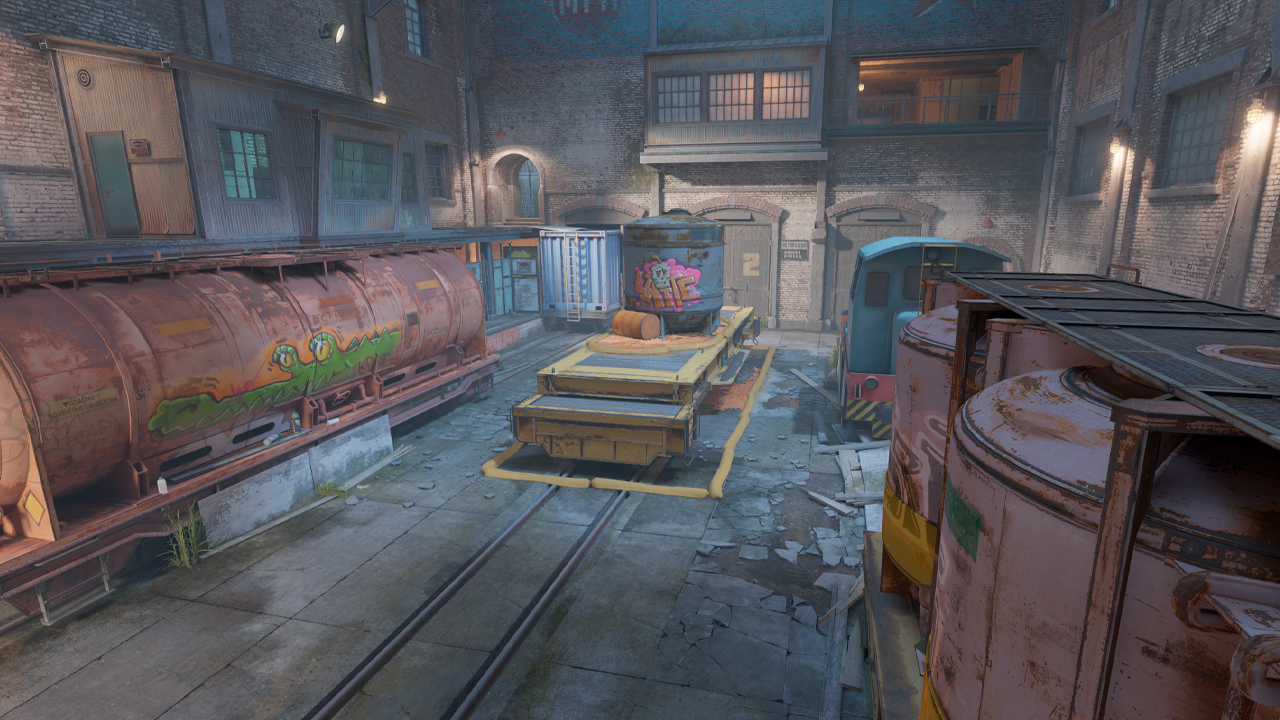
- B Halls: A direct corridor from T-side leading to Upper B and B Ramp. Since it’s a common staging area for T-side hits, defenders often contest here with grenades or by taking an aggressive stance early.
- Upper B: Perched above the B Site, Upper B gives an invaluable vantage point over almost the entire bomb-train area.
- B Ramp: The primary ground-level entry to B Site for Terrorists. Typically, at least one defender overlooks this corridor from various angles.
- Ladder: The ladder leading to Upper B. Because it is a vertical route, controlling it can provide an alternate path for last-minute flanks or escapes.
- Oil: On the B Site, Oil is the fourth train, bridging movement between Catwalk and Upper B. Leaping onto Oil allows creative repositions or even vantage points over unsuspecting attackers.
- Bomb Train: The main train at B Site, where the terrorists can plant the bomb.
- Blue & B Red: Blue and B Red are crucial trains on the B Site, often used for partial cover. B Red stands in a spot that blocks direct sightlines from Connector and CT Spawn, effectively serving as a pivot for defending squads.
- Headshot: In CS:GO, this elevated corner forced enemies to see only a player’s head, but in CS2, there’s slightly altered geometry.
- Catwalk: Path after Headshot, leading to the train in the old B Long.
- Back Site: The small area behind Bomb Train where terrorists hide after planting the bomb.
CS2 Train Mid, Ivy, and Rotations
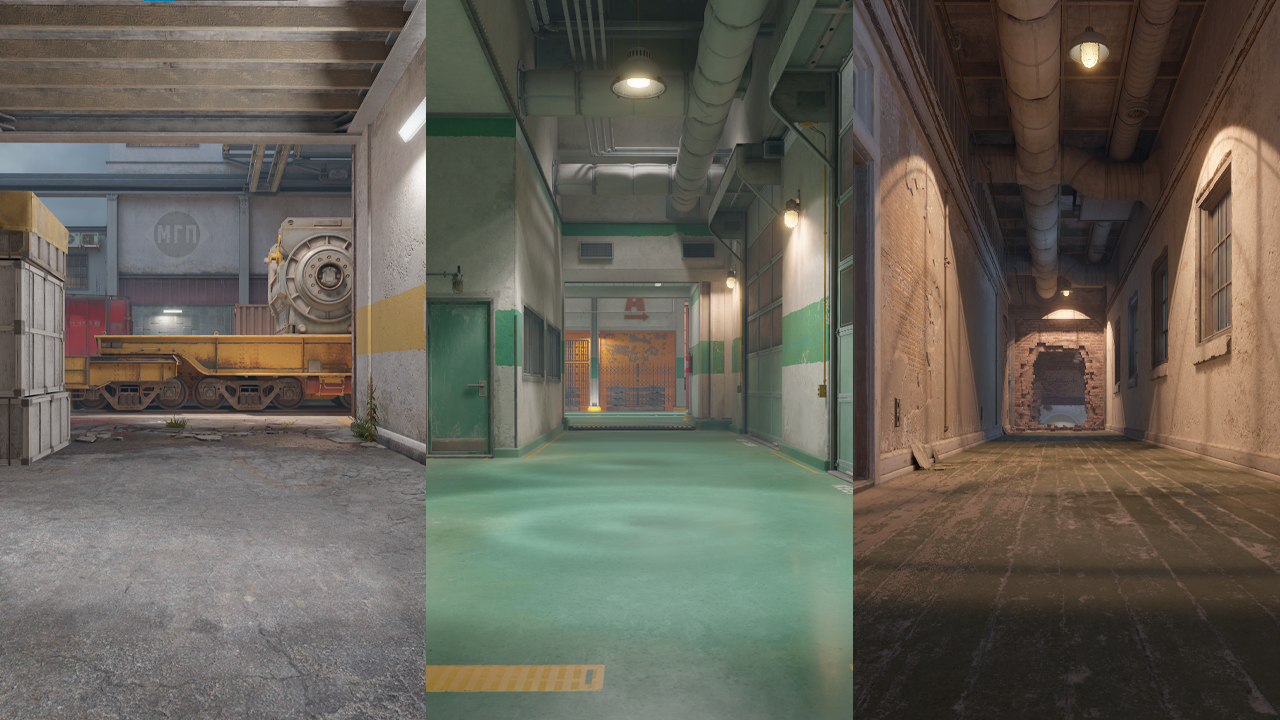
- T Spawn: Where Terrorists start each round. On CS2 Train, it’s slightly offset to the map’s northwestern corner.
- CT Spawn: Where Counter-Terrorists begin. From here, rotating to either site is relatively quick, a factor that cements Train as a traditionally CT-favored map.
- T Stairs: Leading from T Spawn down toward places like Kitchen, Showers, or B Halls, these stairs are a major route for rotating.
- CT Stairs: Connects CT-Spawn with Ivy, allowing CTs to get to A-Site quickly.
- Kitchen: Upstairs from T Stairs, it provides a vantage to observe rushing enemies. Although less significant than before, it remains a strategic location for throwing grenades or covering T Stairs in a pinch.
- Showers: Positioned above T Connector/A Main, the Showers extend parallel to Brown Halls.
- Popdog: A small space between A Site and the B Halls.
- Connector: Connecting both Sites, Connector is arguably the most contested corridor in the entire map. Mastery of Connector rotations allows CTs to fluidly switch from B to A, or T-sides to attempt cunning site splits.
- Heaven: A small hideout behind A Site.
- Ivy: A hallmark of Train’s layout, Ivy is the corridor linking Old Bomb with Pigeon or Alley, depending on the path. With the rework, Ivy has seen moderate expansions and contractions, making new corner angles crucial.
- Pigeon: Named for its pigeon-like shape in older versions, Pigeon is an area that T players often occupy before pushing deeper toward Ivy. Because it’s a choke point, well-timed grenades from the CT side can offset momentum.
- Alley: The path connecting T Spawn with Pigeon. Although it might look like a transitional zone, early aggression here can net pivotal map control.
- Dumpster: Right outside T Spawn, commonly used for saving weapons or setting up grenades onto A. This spot also provides partial cover.
- CT Tunnel: Built into the back of Old Bomb, CT Tunnel offers a discreet path for defenders rotating from spawn.
Be the Best at CS2 Train with Callouts
The CS2 Train has brought a renewed sense of challenge and excitement to an age-old map. With this rework in CS2, old habits need to be adjusted. Several classic callouts remain the same, but new locations like Underpass will require players to adapt. Knowing and using the correct callouts will enhance your team’s coordination, making your gameplay more effective. Focusing on timely rotations, well-placed utilities, and precise communication will grant you the ability to secure every round and achieve consistent success on Train in 2026. Stay ahead of the competition by mastering these CS2 Train callouts, and keep practicing for the best results!
FAQ
-
What is the main difference between CS:GO Train and CS2 Train?
The biggest difference is the removal of the Pop-Dog ladder in favor of an Underpass corridor, as well as the removal of Old Heaven. These two major geometry changes drastically affect how players rotate and take control of essential routes.
-
Why do some old Train callouts have changed names or positions?
With the introduction of new structures and corridors, some callouts no longer match the original areas. Ivy, Old Bomb, Alley and Catwalk have been reshaped, so many long-standing references needed updated terms.
-
Which CS2 Train spots are essential to learn first?
We recommend memorizing Connector, A Main, B Halls, and the new Underpass right away. These are frequently contested areas and often determine who can pivot more effectively to seize an advantage on either site.



![CS2 Chicken Eggs Explained: How Pets Work [2026]](https://community.skin.club/wp-content/uploads/2026/10/Main-x-Name-768x432.jpg)
![CS2 Weekly Drop Pool: Cases, Skins & How It Works [2026]](https://community.skin.club/wp-content/uploads/2025/10/Main-x-Name-11-768x432.jpg)
![Newest CS2 Cases: List & Release Dates [2026]](https://community.skin.club/wp-content/uploads/2026/05/Main-x-Name-768x432.jpg)