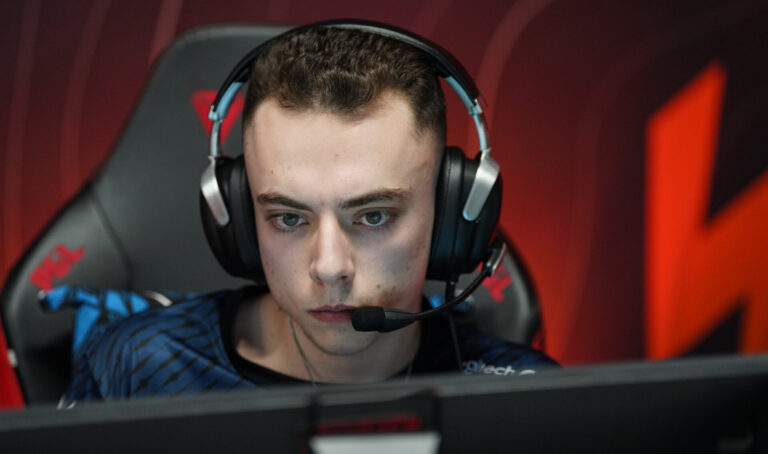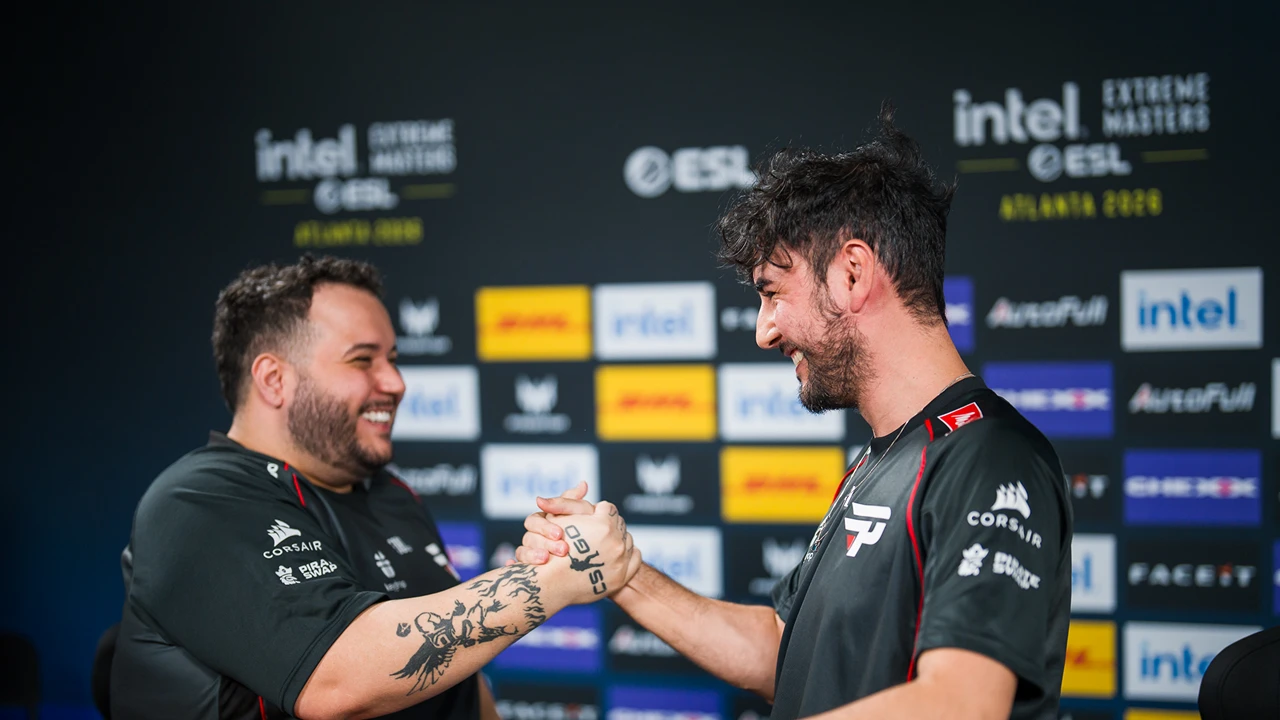

CS Asia Championships 2026 delivered one of the most unexpected results of the year. Legacy sensationally won the tournament after defeating Falcons in the grand final, while the event itself once again showed just how unstable the modern CS2 scene has become. For some teams, this tournament was a breakthrough. For others, it confirmed their strength. And for several organizations, it became another painful reminder of problems that continue to follow them.
Complete Disaster: BC.Game, NiP, 3DMAX, and NRG
Let’s start with the teams for whom this tournament turned into a catastrophe.
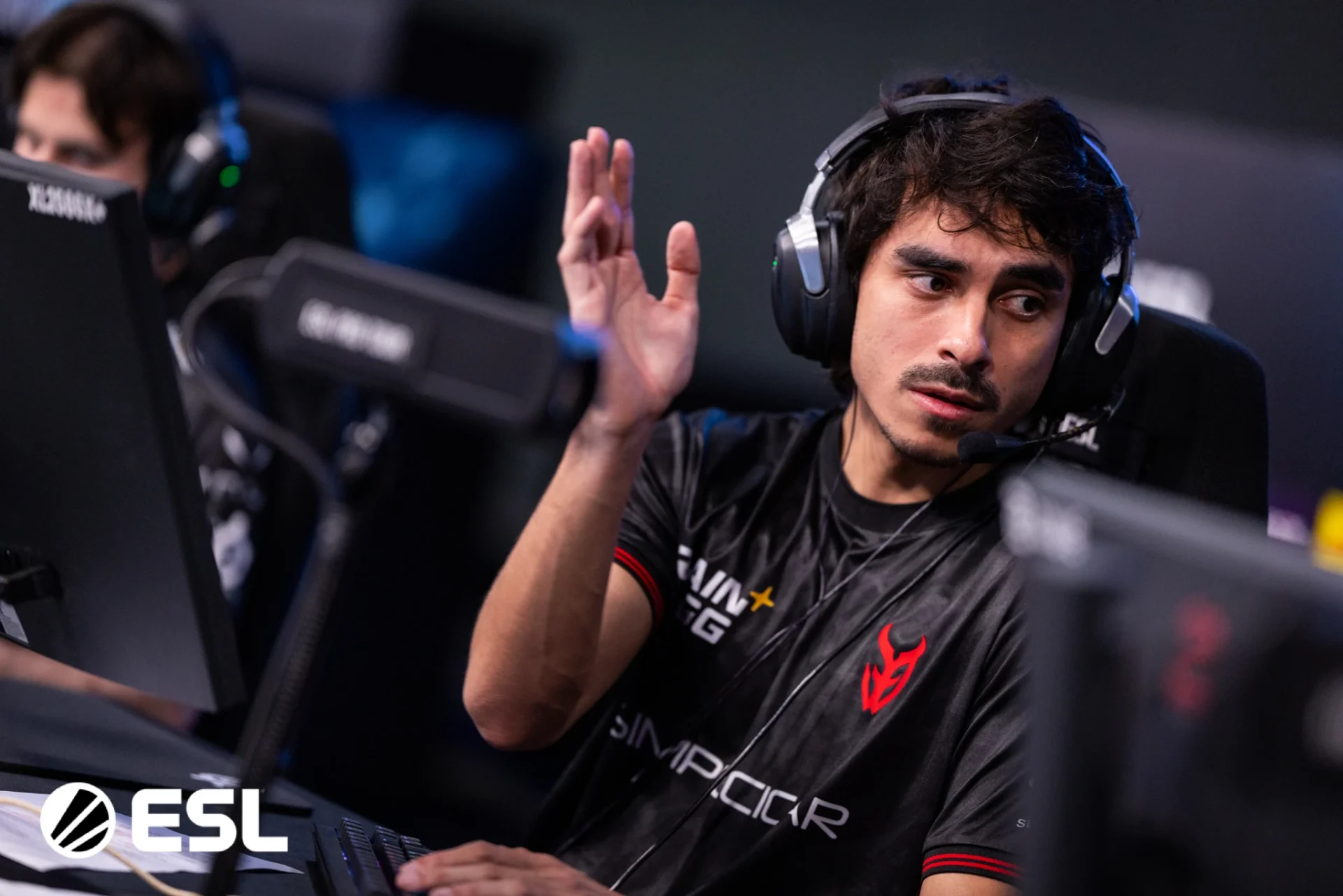
BC.Game, Ninjas in Pyjamas, 3DMAX, and NRG all finished in 13th–16th place, and while some of these results can still be explained by the level of competition, for others the situation looks deeply worrying.
The NRG situation feels especially frustrating. The team occasionally shows signs of life, but every time it seems they are finally ready to take a step forward, another early elimination follows. At this point, it is no longer bad luck — it is a pattern.
3DMAX also continue to decline. After several promising tournaments, the team once again looked unstable, and their performances against stronger opposition raised far too many questions.
NiP and BC.Game are a different kind of pain. Both organizations have the name value, resources, and fanbases, but none of that is visible on the server right now. BC.Game in particular were expected to show more after previously hinting at genuinely competitive Counter-Strike.
9th–12th Place: Not a Total Failure, But Still Concerning
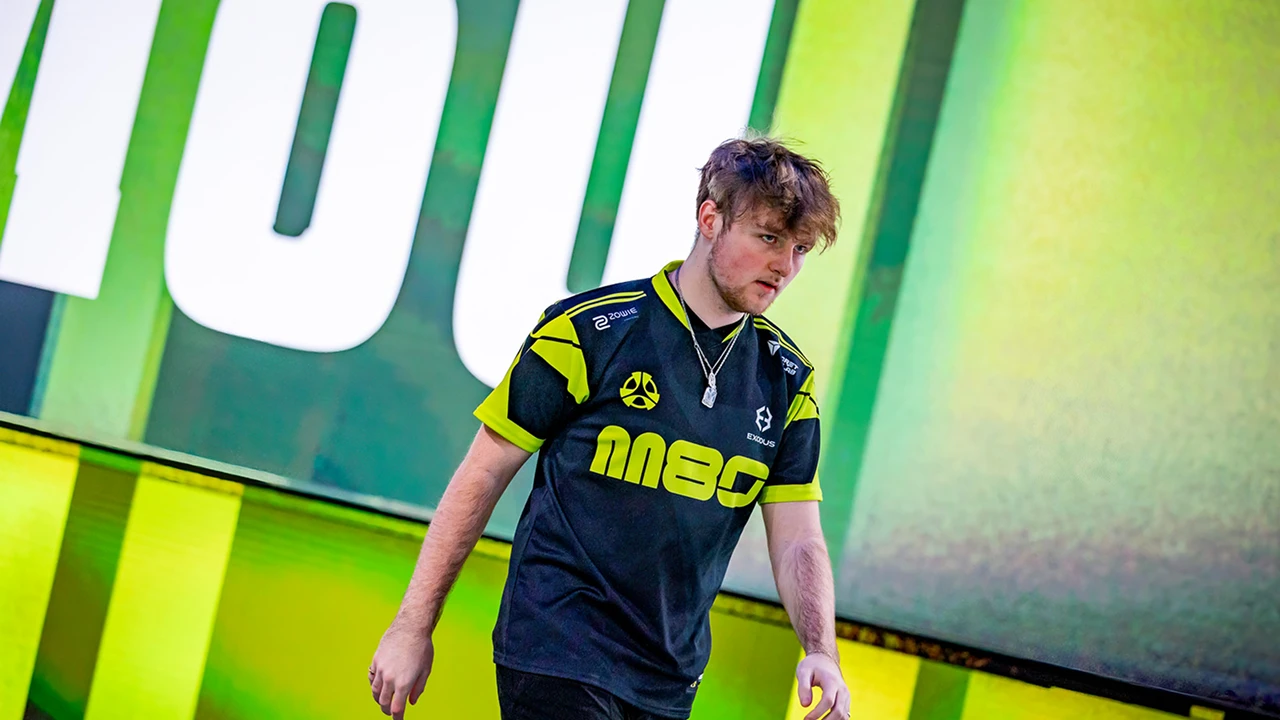
TYLOO, Lynn Vision, Liquid, and M80 finished in the middle of the standings, but again, the context matters.
At this point, it is difficult to even call Liquid’s result a shocking disappointment anymore because it is starting to feel normal. A brand of this size should be fighting for playoff spots at minimum, yet once again the team exited earlier than most favorites. The worst part is the lack of visible long-term progress.
For TYLOO and Lynn Vision, the situation is softer. Considering the level of competition, securing a win and staying competitive on certain maps is not a disaster. Still, the Asian scene clearly wants more, especially at a tournament representing the region.
M80 are the definition of a team that did not completely fail but also gave absolutely no impression that they are ready to fight for anything meaningful.
PARIVISION and paiN — Painful Results After High Expectations
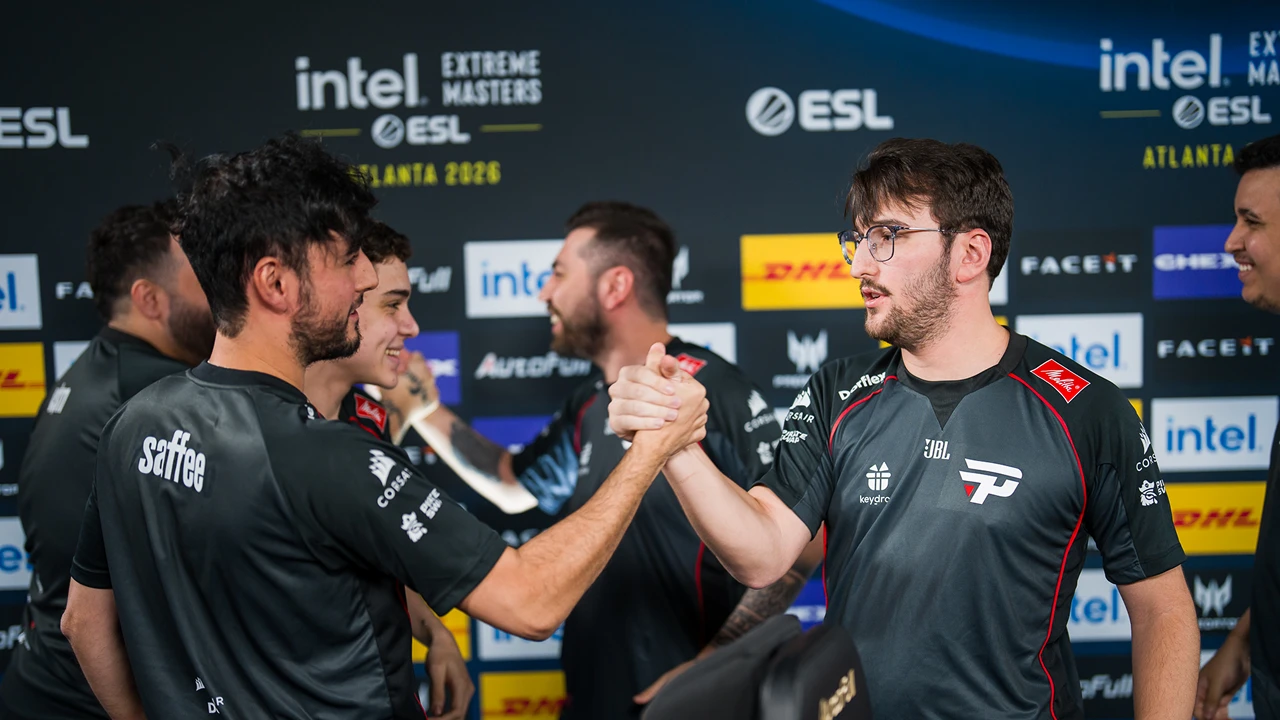
PARIVISION and paiN finished in 7th–8th place, but context makes their result disappointing.
After recent breakthrough performances and consistent VRS point gains, PARIVISION were slowly starting to look like genuine contenders for deep playoff runs. This time, however, they failed to survive their first truly difficult challenge.
paiN also left mixed feelings. The team remains dangerous and capable of competing, but whenever they face top-tier opponents, consistency becomes a major issue.
B8 and The MongolZ — A Complicated Outcome
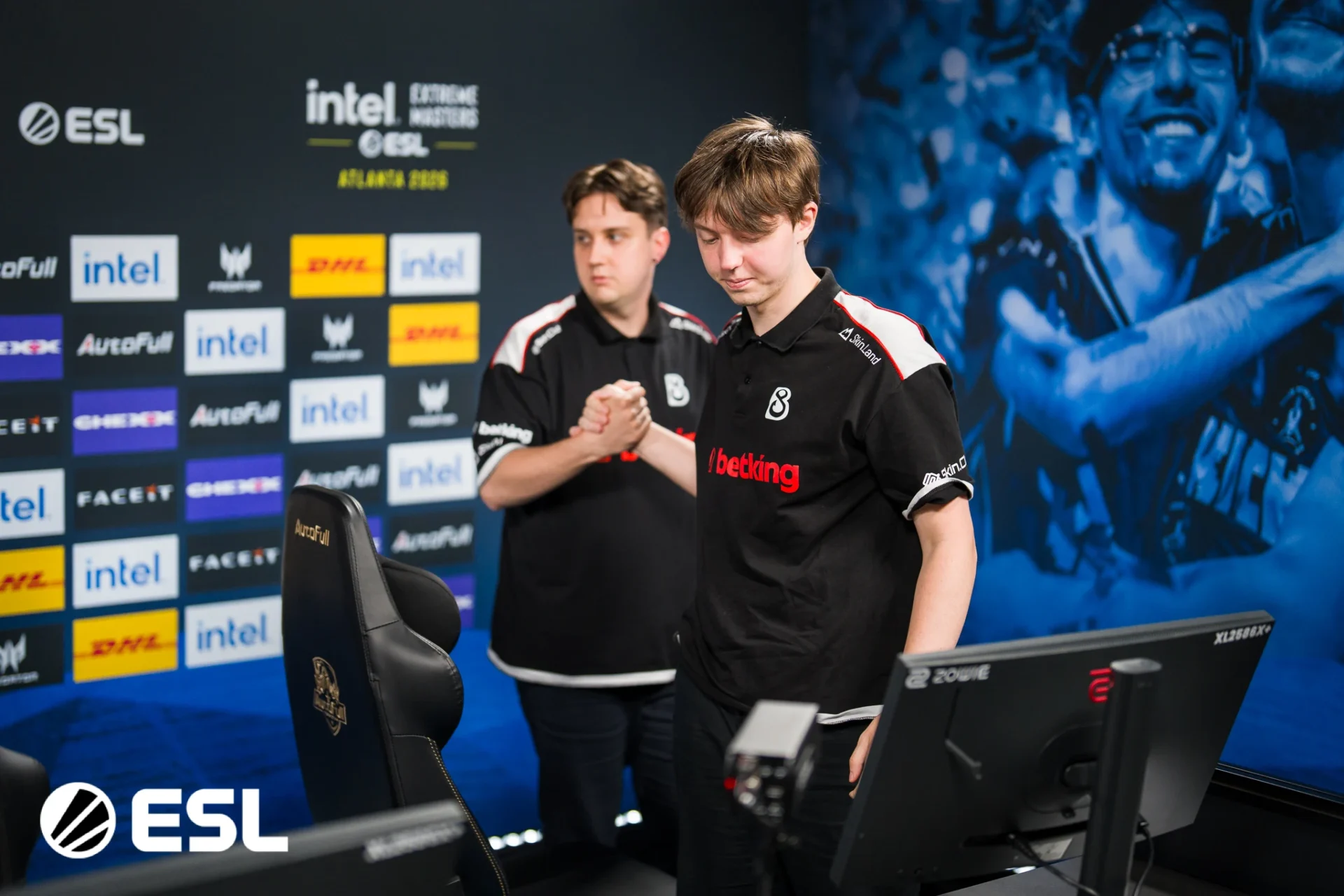
B8 and The MongolZ both finished inside the top six, but their results should not be judged equally.
For B8, this tournament was more positive than negative. The team continues gaining valuable experience at major events and is slowly establishing itself as a stable participant at big tournaments. They are still far away from title contention, but the progress is clearly visible.
The MongolZ, however, were expected to do much more. The team has been sitting near the top of the VRS rankings for a while, their roster is stable, and they are no longer viewed as underdogs. Because of that, failing to fight for medals feels more disappointing than successful.
MOUZ and MIBR — Good Runs, But Questions Remain
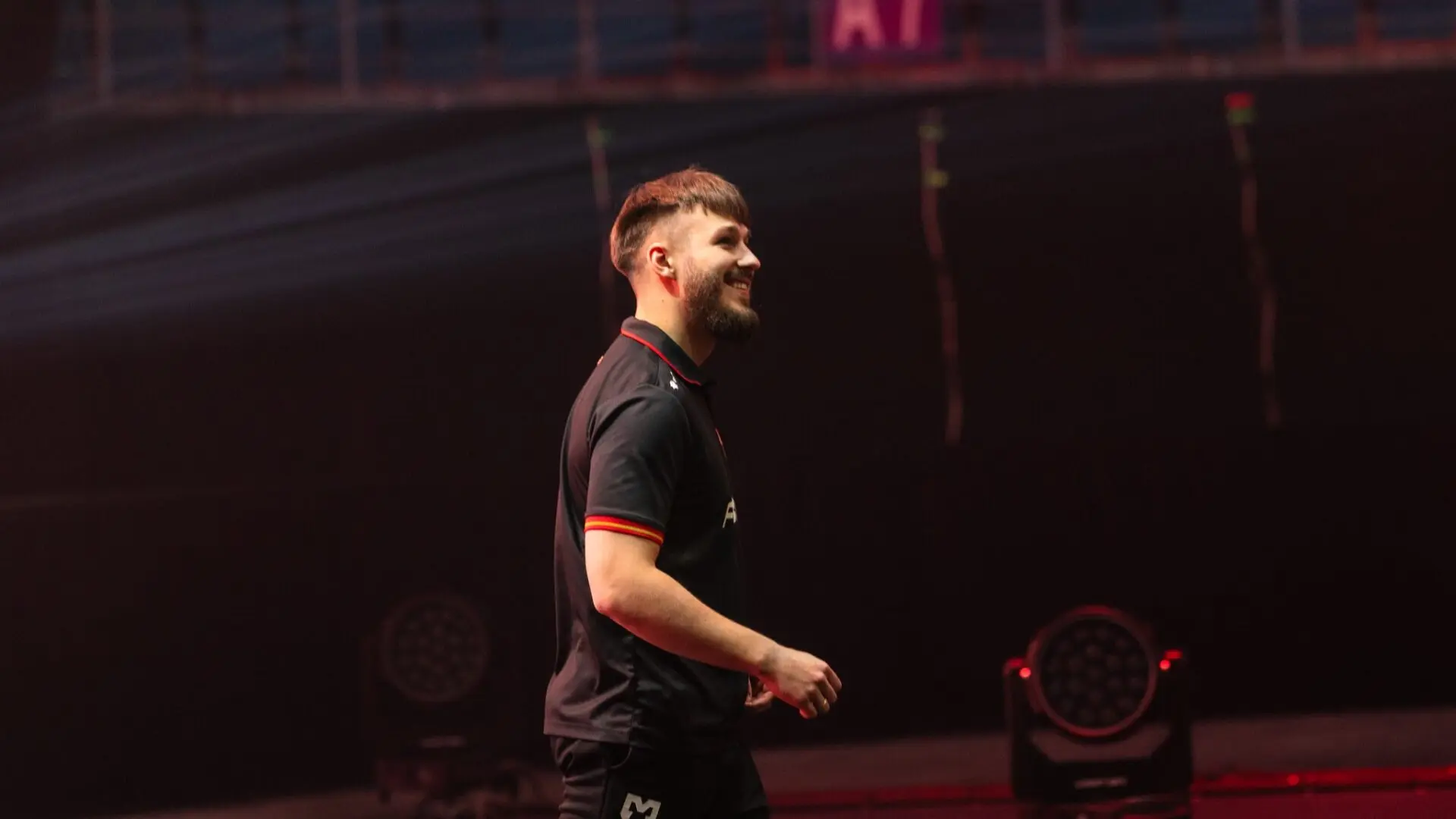
MOUZ finished in third place, and considering their recent roster changes, the result actually looks much more positive.
The team is still adapting after rebuilding parts of the lineup, so a deep run at a tournament like this should be viewed as an encouraging sign rather than a reason to panic.
Still, there is a lingering sense of unfinished business. Over the past few years MOUZ established a reputation for consistently reaching finals and competing for trophies, so a semifinal exit still feels somewhat underwhelming. However, given the new roster and the need for time to build chemistry, this performance looks like a solid foundation for the future.
MIBR, meanwhile, deserve praise. The Brazilian lineup is slowly coming back to life and beginning to look competitive even against serious opponents. Fourth place is not yet a breakthrough, but it is a strong step forward.
Falcons — Finally Looking Like a Real Elite Team
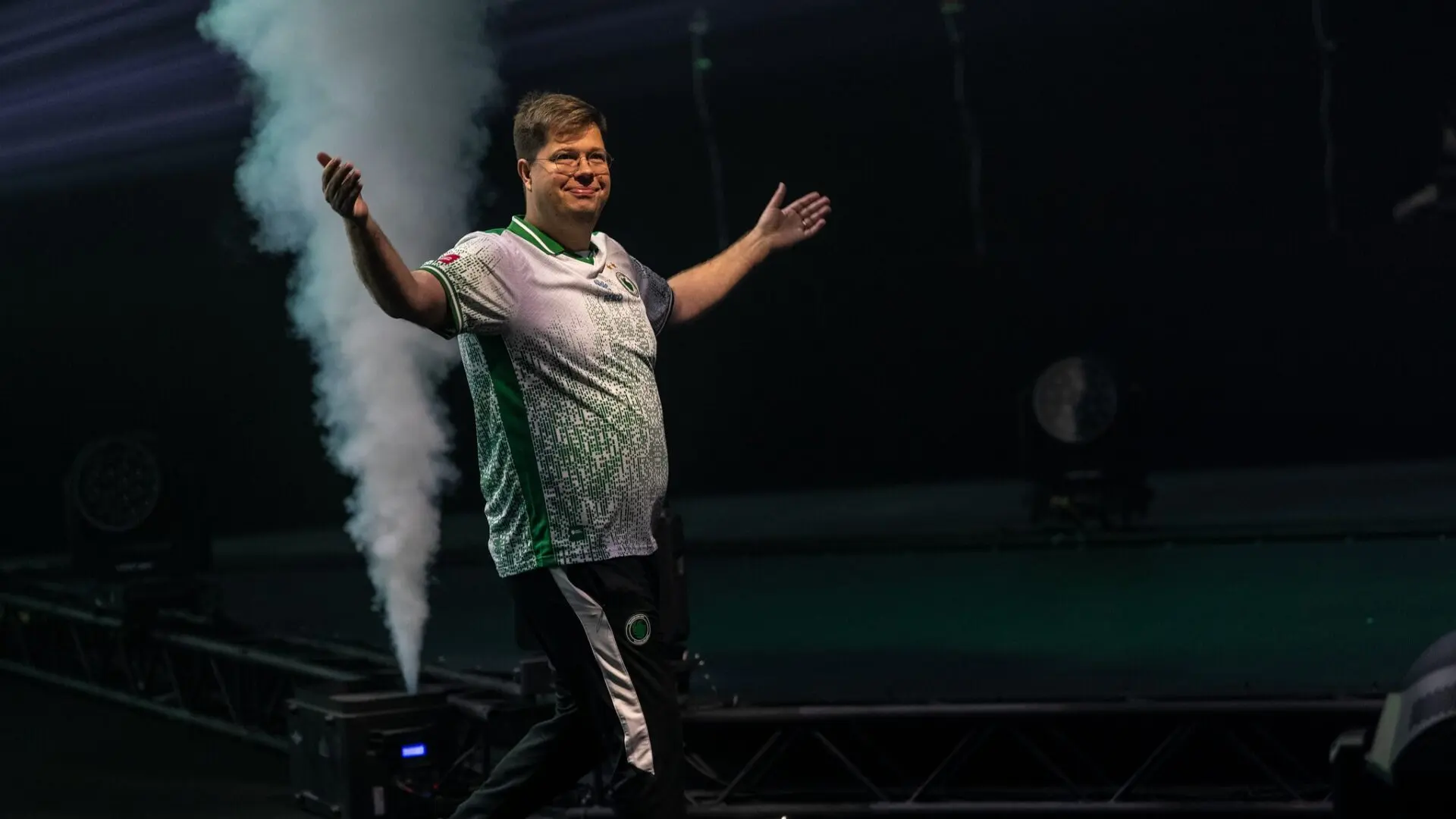
Falcons may have lost the final, but they delivered one of their strongest tournaments in recent memory.
The team looked structured, aggressive, and confident throughout the event. m0NESY once again deserves special recognition, carrying a massive workload while looking like one of the tournament’s true superstars.
Yes, they lost the final, but for the first time in a while Falcons actually looked like a team capable of consistently fighting for trophies rather than simply a lineup full of famous names.
Legacy — The Biggest Sensation of the Year
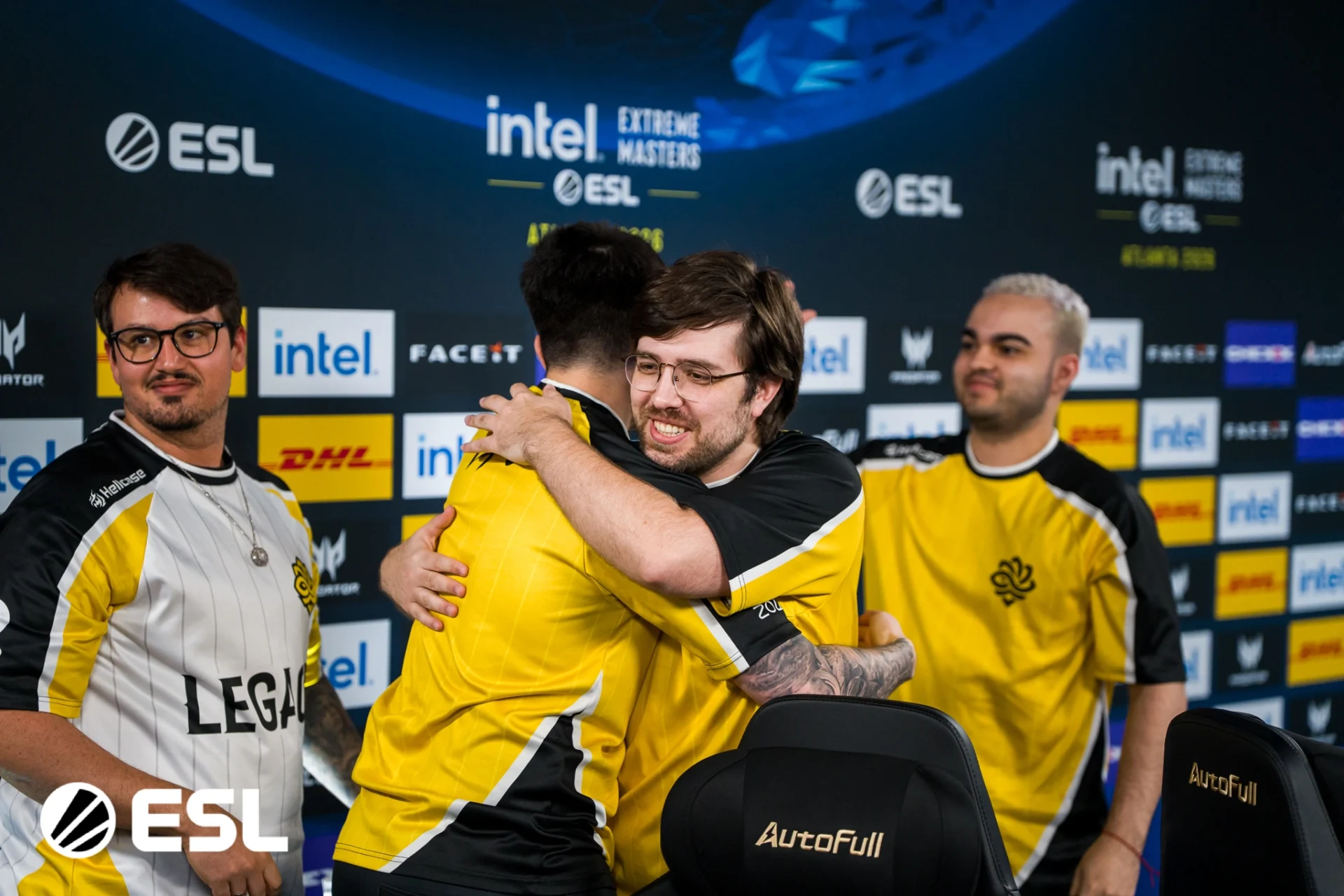
And finally — Legacy.
Without exaggeration, they were the biggest surprise of the tournament and one of the most impressive breakthrough stories of 2026. Before the event began, very few people could realistically imagine Legacy lifting the trophy.
But the team did not just win the tournament — they defeated Falcons in the final after losing the opening map and showed incredible mental resilience under pressure.
What is especially impressive is how quickly Legacy transformed from “a dangerous underdog” into a genuine top-level contender. And now the biggest question is whether this was simply a magical tournament run or the birth of a new long-term powerhouse.
Final Thoughts: The Scene Is Becoming More Chaotic
CS Asia Championships 2026 once again proved that modern CS2 no longer forgives inconsistency. Big brands can finish last, while outsiders can suddenly win trophies. And while some teams continue searching for their identity, others are already taking advantage of the opportunity and reshaping the hierarchy of the scene right before our eyes.