
Sixteen Counter-Strike 2 teams walked into the IEM Beijing 2026 Global Closed Qualifier facing a hidden gamble that had nothing to do with winning matches on stage. According to a new breakdown shared by esports analyst Udknud, almost every team needed to reach the top four just to avoid losing ground in the race for a Major spot.
That risk makes this qualifier different from most other events on the calendar. The reason is timing. IEM Beijing’s main event falls after the Major cut-off date, so results here barely register in Valve’s Ranking System, known as VRS, even though a deep run still takes real effort and time away from other preparation.
Why This Qualifier Was A Gamble
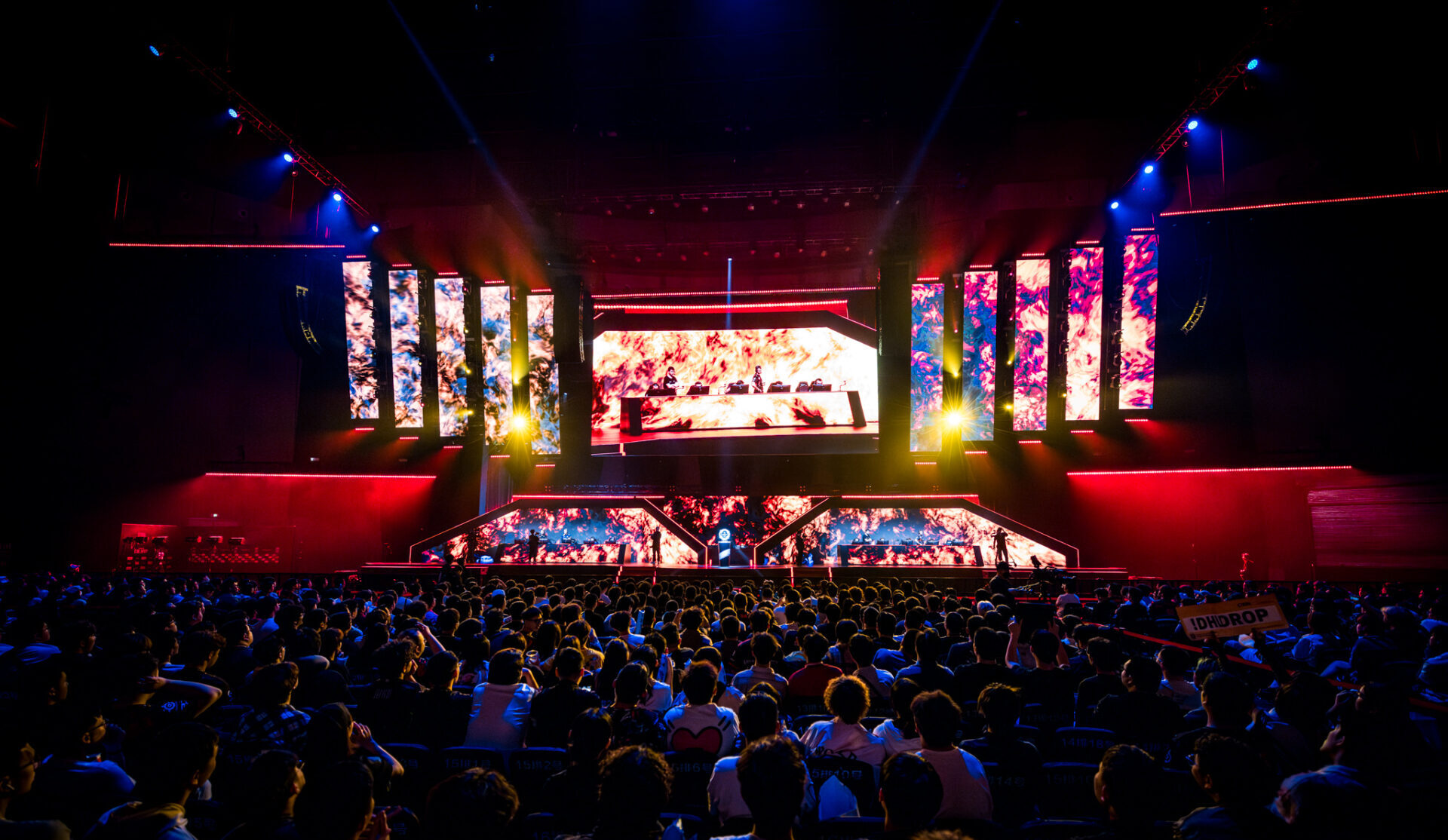
The Global Closed Qualifier ran from September 2 to September 4, 2026, organized by ESL as part of the build-up to IEM Beijing 2026. Sixteen teams competed in a double-elimination, best-of-three bracket for just two direct spots at the main event in China, while a separate eight-team Asia Qualifier handled a third slot.
Twelve teams received direct invitations to the Global Qualifier, including MIBR, B8, BIG, GamerLegion, magic, paiN Gaming, DENDELE, HEROIC, 3DMAX, EYEBALLERS, HOTU, and K27, with four more arriving through open qualifiers. This lineup matches the field shown in Udknud’s data table, which tracked how every possible outcome would shift each team’s Major chances.
The Numbers Behind The Risk
Udknud’s model ran 20,000 simulated seasons, covering 24.7 million matches, to calculate how each result would move a team’s pre-event Major probability. The findings were stark for the tournament favorites.
B8 entered with a 77.0% Major chance before any matches. A first-place finish would add 10.8 percentage points, but anything below fourth place would cost them, and a bottom-two finish would cut their chances by 11.4 points. MIBR, the top-ranked team overall at 86.9%, showed the same pattern: winning added only 8.4 points, while finishing 13th to 16th would have cost 10.2 points.
GamerLegion illustrated the danger most clearly. Sitting at 66.4% before the event, the team lost 15.5 percentage points after a bottom-two finish, partly caused by an early forfeit when players Snax and Tauson were both unavailable for the opening match against Nuclear TigeRES. That single incident pushed GamerLegion into a must-win situation just to stay competitive in the bracket.
Only two teams could walk away with a real Major boost. Winning the whole qualifier meant beating strong opponents four times in a row, and Udknud estimated each win was worth roughly 15 rating points, adding up to 40 to 60 points of gain for the champion and runner-up alone. Every other team, from third place downward, was set to lose ground compared to simply skipping the event.

Why VRS Creates This Trade-Off
The core issue is how Valve’s Ranking System weighs events. Because IEM Beijing’s main event happens after the Major cut-off, none of its results count toward Major qualification. Therefore, teams entering the qualifier were competing almost entirely for prize money and seeding, not ranking points, unless they made a very deep run.
This creates what Udknud calls an under-told story about VRS. Every team weighing whether to accept an invite to this qualifier had to balance the reward of a big result against the risk of a poor one dragging down their Major standing. In addition, the analysis stresses this problem is specific to qualifiers with post-cut-off main events. Qualifiers for PGL and ESL Pro League events, where the main event finishes before the Major cut-off, do not carry this same risk. In those cases, simply playing more matches tends to help a team’s Major chances, since ranking points from any round can still count.

What This Means Going Forward
As a result, teams and analysts now have clearer numbers to weigh future qualifier invitations against the Major calendar. GamerLegion’s rocky start, sparked by roster availability problems, doubles as a real example of how quickly a promising Major chance can slip in a high-risk, low-reward format. Meanwhile, MIBR, B8, and DENDELE, the three highest-rated teams in the bracket, had the most to lose and the least to gain, since a title run only added modest points while a poor finish threatened a much larger drop.
Finally, this data offers a broader lesson for competitive CS2. Not all qualifiers carry the same stakes, and understanding when Valve’s Ranking System applies is now just as important as understanding bracket seeding.