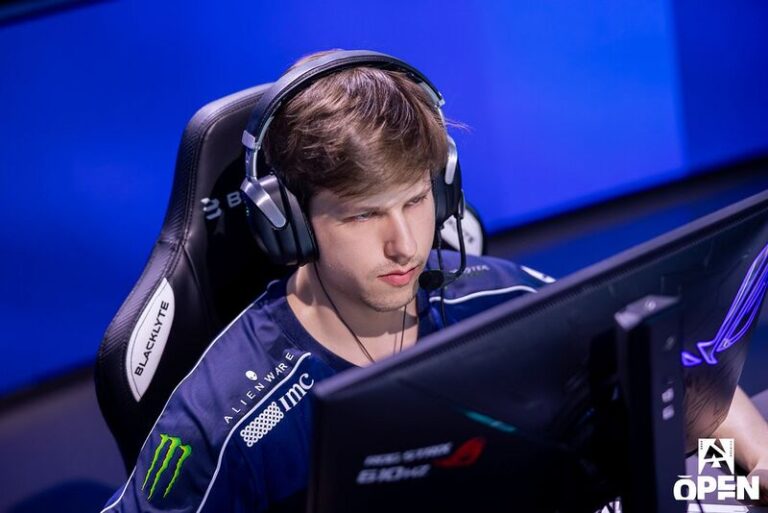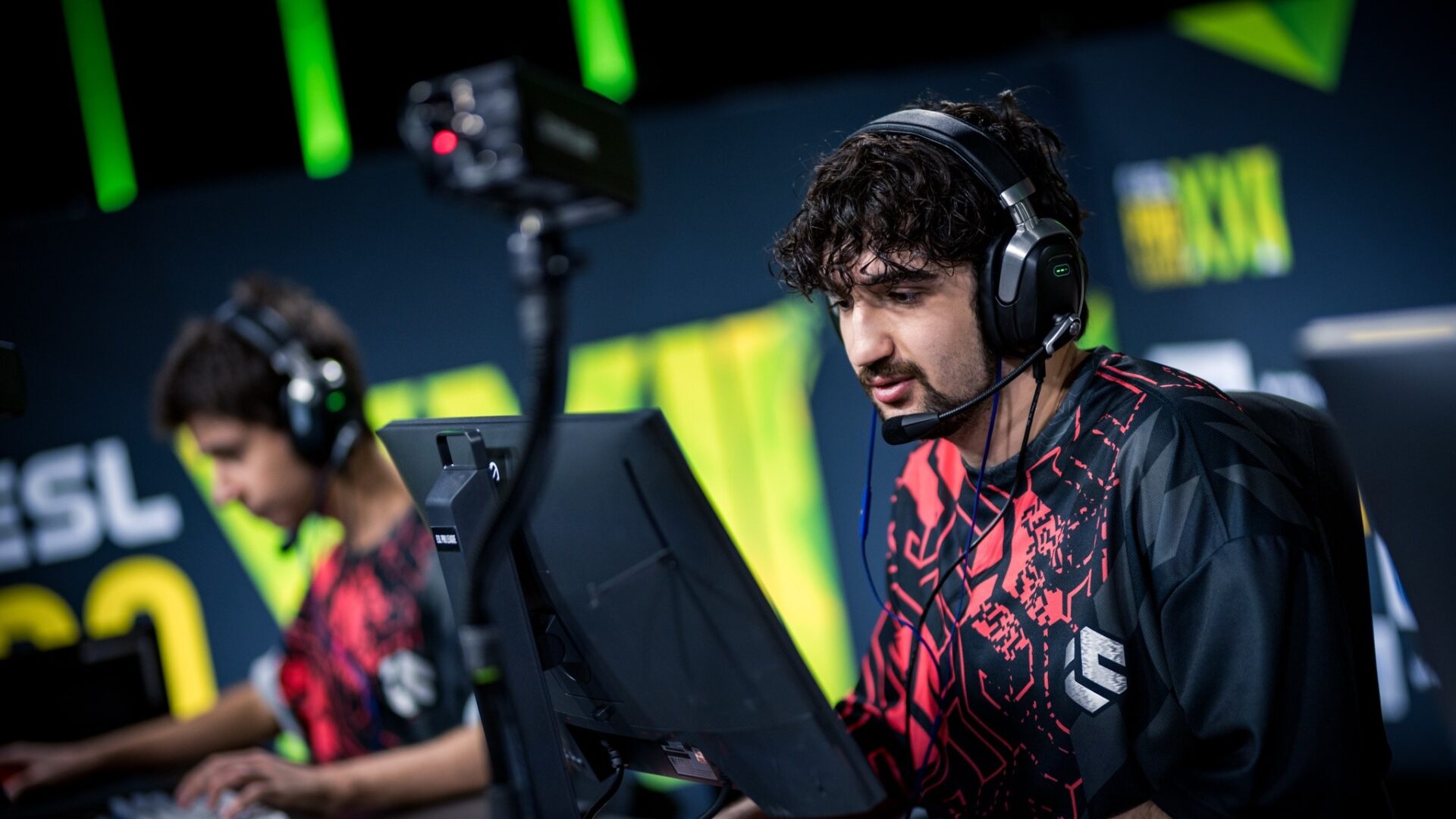

One of the most painful topics for the entire Counter-Strike scene has surfaced again — manipulation around matches and betting. This time, the story centers on Ukrainian player nifee, who received a long-term ban for actions during ESL Pro League Season 22.
ESIC issues severe punishment for betting-related corruption
Inner Circle player Dmytro “nifee” Tediashvili has been banned for four years for match manipulation and corruption related to betting. The punishment concerns incidents during ESL Pro League Season 22, where, according to the investigation, his actions were linked to suspicious betting patterns on specific in-game micro markets.
A four-year ban in itself is already a clear indicator that this is not a minor technical or disciplinary violation. Such sanctions typically mean that the investigation identified a strong connection between the player’s in-game behavior and abnormal activity on betting markets.
Molotov and incendiary deaths became the key trigger
The most telling detail in this case is the nature of the suspicious episodes themselves. According to the investigation, nifee’s deaths from Molotov/incendiary damage at certain moments coincided with unusual spikes in betting volume on the corresponding micro markets. Attention was also drawn to betting activity through newly created, previously inactive, and VIP accounts, as well as volumes that significantly exceeded typical levels for this type of wager.
From an analytical perspective, this is a crucial nuance. In such cases, suspicion is not triggered by the death from a grenade or fire itself, but by the repeated correlation between an in-game event and how the betting market appears to anticipate it. This type of alignment is considered one of the most toxic threats to the integrity of esports.
This impacts not just one player, but trust in the lower tiers of the scene
Stories like this are especially damaging because they almost always affect the more vulnerable part of the ecosystem — not the absolute top tier, but the layer of the scene where oversight is weaker and the temptation of fast betting money can be stronger. As a result, each such case undermines not only a specific player, but trust in the entire competitive environment at lower or less protected levels.
In this case, the issue is quite clear:
- in-game micro events may have been used as predictable betting triggers;
- the betting market once again appears not just as a background factor, but as a possible part of the violation itself;
- another case reinforces the perception that match-fixing in CS remains a real, not theoretical, threat.
That is why bans like this matter far beyond a single tournament. They highlight that the main battle for integrity in the scene often takes place not on big stages, but in the shadows — where suspicious market activity can be hidden within small in-game details.
For the player, this is almost a complete removal from the professional cycle
Four years for an esports player is not just a long ban — it is almost a complete removal from the competitive cycle. Over that time, rosters change, teams evolve, rules shift, the game itself develops, and the entire competitive scene moves forward. Even if the door technically reopens after the sanction ends, in practice this punishment is very close to a full stop for a current professional career.
This looks especially harsh in modern CS, where the scene moves quickly, and a long absence from official matches almost always means losing any real standing within the system.
Another case shows that betting corruption remains one of the most dangerous areas
The nifee case is another reminder that the main risks to the integrity of Counter-Strike are no longer limited to cheating or technical abuse. Betting-related corruption remains one of the most dangerous and complex issues for the scene, because it can hide within seemingly minor in-game moments.
For the player, this ban effectively resets his career trajectory. For the scene, it is yet another signal that suspicious patterns around micro markets and match events are increasingly likely to result not in quiet suspicion, but in severe and very public consequences.