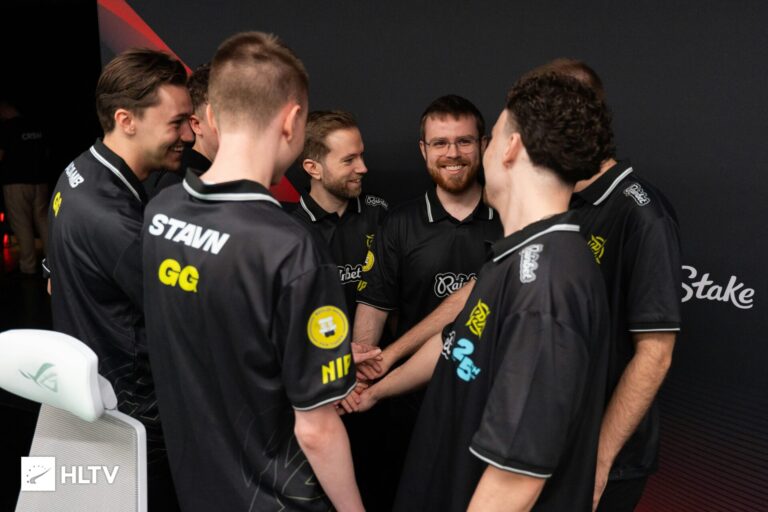

Team Liquid’s decision to return to the Americas VRS ahead of the crucial Major cutoff has triggered a wave of discussion across the Counter-Strike community. After restoring an “American core” in their lineup, the team’s regional status shifted — and it immediately became a point of criticism from analysts and fans. The debate intensified following the latest episode of Come Here featuring NER0, NohtE, and Swisher, where the situation was discussed in detail. The key question remains: is this move fair within the spirit of the VRS ecosystem?
“A no-brainer or system abuse?”

HLTV’s post summarized the logic behind Liquid’s move:
If you are them, you have to do that to ensure you are at the Major. It’s a no-brainer.
And indeed, given the VRS structure and the tight race for Major spots, switching to a more favorable region can be seen as a rational decision. However, not everyone agrees.

Criticism: “This isn’t about merit”
A portion of the community viewed the move as a purely business-driven decision that undermines the purpose of the regional system:
It’s not about deserving, VRS was created so you support that region… they simply made a business decision to get sticker money.
This argument highlights a core concern — VRS was designed to support regional ecosystems, not to allow top teams to switch regions for competitive advantage.
Striker: “Liquid wouldn’t support the region anyway”
HLTV journalist Milan “Striker” Švejda offered a sharper take, questioning Liquid’s actual impact on the NA scene:
Liquid wouldn’t have supported the NA region even if they had the majority from the beginning of the year. They wouldn’t go to random Brazilian LANs to earn the points. They’d still be playing all the T1 LANs.
According to him, regardless of their regional status, Liquid would continue focusing on tier-one international events rather than contributing to the local ecosystem.
A bigger issue: flaws in the VRS system

Some users raised broader concerns about the system itself:
- “But why even have regions if you can swap last second”
- “This system biases most top teams into EU”
Indeed, the Liquid case highlights a structural issue — if teams can switch regions close to key deadlines, it calls into question the integrity of the regional allocation model.
Counterpoints: “Everyone does it”
There were also voices defending Liquid:
Are we judging Liquid because they switched last minute? Take the example of FURIA… no regional impact.
This perspective suggests that many top teams already operate globally, making the concept of strict regional identity less relevant in modern CS2.
What it means for the scene
Liquid’s situation is another signal that the VRS system may need adjustments. The debate once again brings attention to the balance between:
- competitive fairness
- organizational strategy
- regional development
Until Valve clarifies or updates the rules, similar cases are likely to continue.
Final thought: a symptom of a bigger problem
The Liquid controversy is not just a one-off situation — it reflects deeper structural tensions within the CS2 ecosystem. Teams are acting rationally within the rules, but those rules leave room for interpretation and controversy. The key question remains: should the system reward optimization — or genuine regional competition?