
In modern day Counter-Strike a lot of focus is given over to trying to find answers to questions. How can you defeat Vitality? Who is the best AWP player? How can you stop a well timed B-split on Dust2? These are all questions that may or may not have interesting answers, but I think unfortunately much less time is devoted to asking the right questions. In this article I will make the case that actually figuring out which questions to ask is sometimes harder than finding the right answers to those questions.
For those of you who have attended school you might remember a guy by the name of Socrates who was possibly a bit crazy, but also had some interesting ideas. He also gave name to what is now known as the Socratic method, which in short boils down to the concept of asking questions to force a student to think critically for themselves. I think the lack of proper questioning in modern day Counter-Strike often means we end up basically answering the wrong questions. Which in turn means those answers don’t really help us very much to understand the game further.
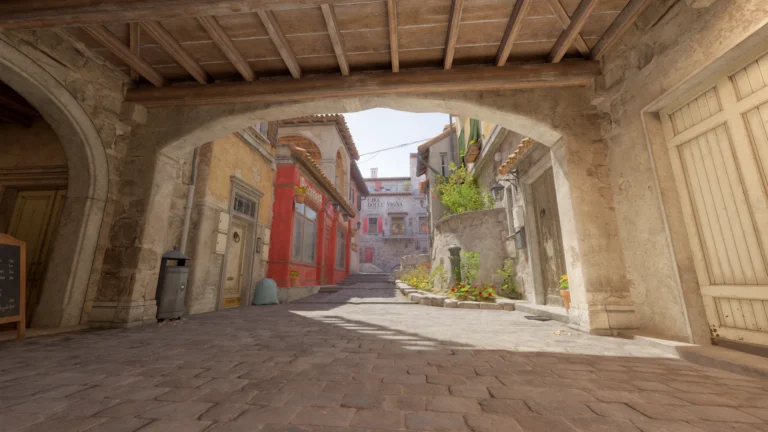
I think the first time I really grappled with this problem myself was when I first wanted to make the original Theorycraft video series back in 2013. The concept for this was basically trying to find interesting grenades or tricks to deal with positions on various maps. Starting down this path I somewhat quickly realized that discovering a new way to molotov a popular position or coming up with some funky pop-flash actually isn’t that difficult. In other words, if we asked a question like, “how can we molotov the B-barrels on overpass?”:
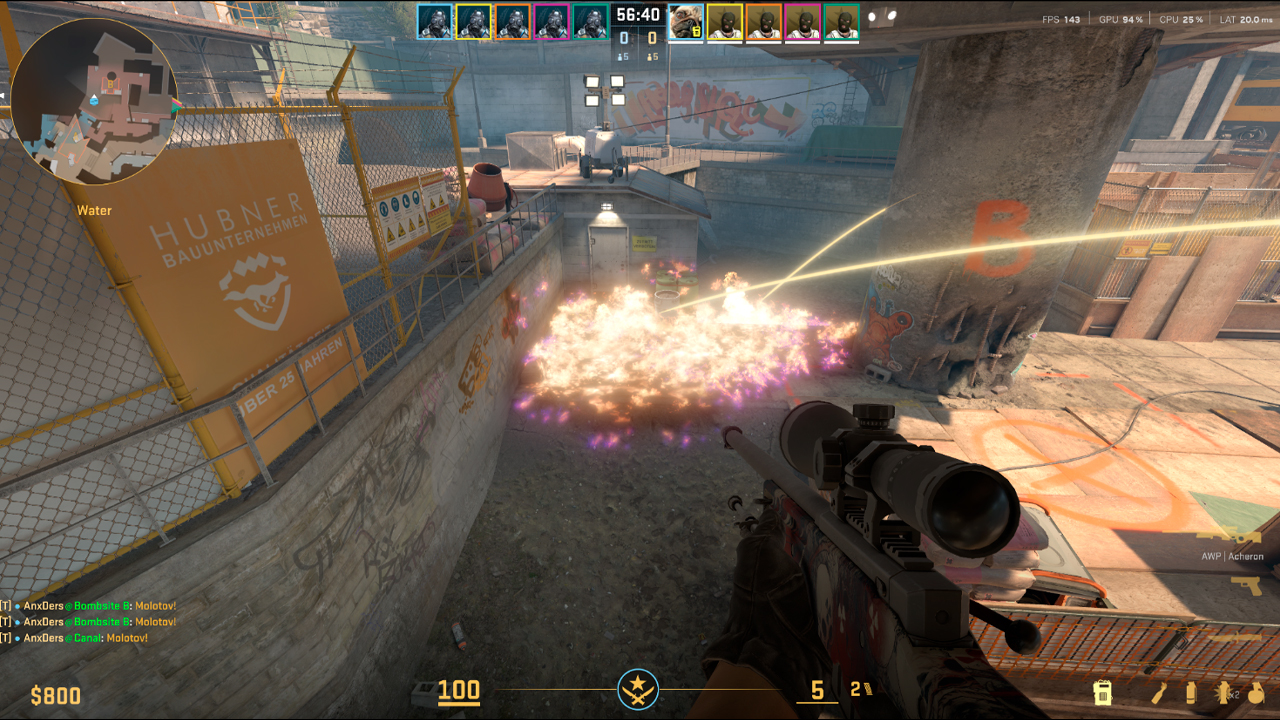
That question has a lot of answers, but it doesn’t really tell us anything about what kind of problem you’re trying to solve by throwing any of those molotovs. If however you’re a team that is looking to fake an attack on the B-bombsite, the right question might be something like “Can we throw the barrels molotov, as part of a fake?” That question might have an answer which looks something like this:
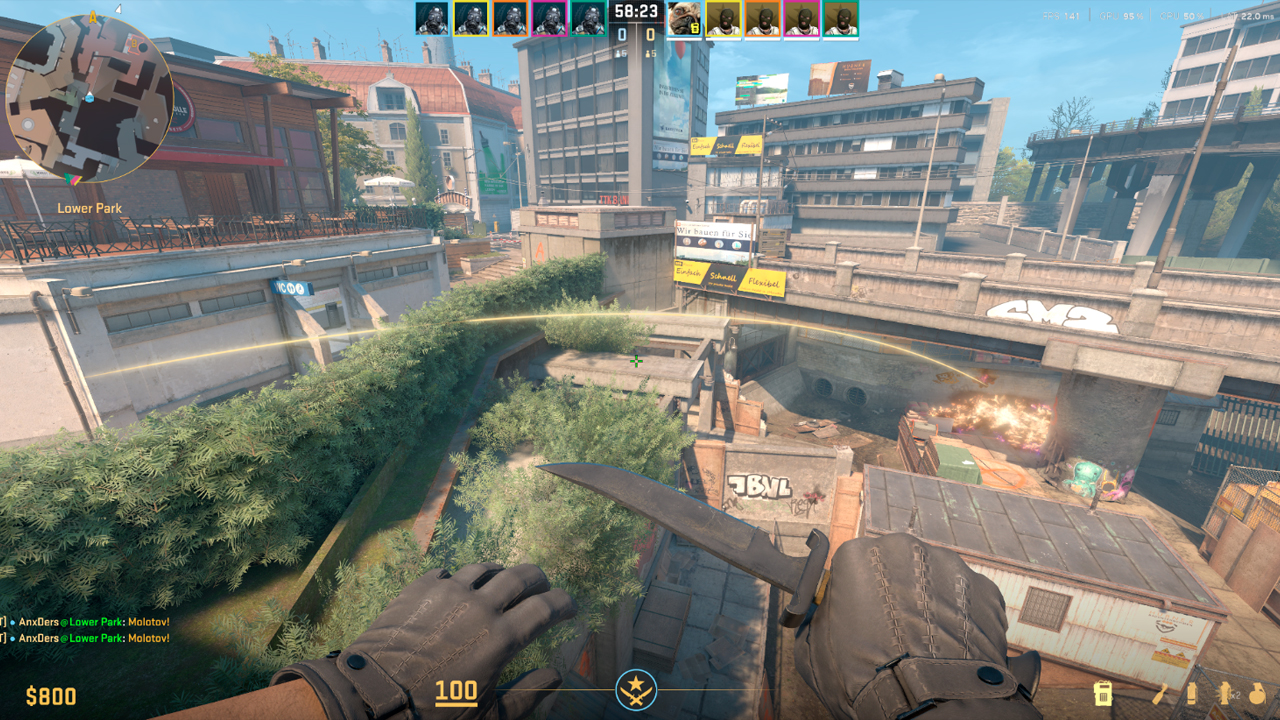
In other words, unless you put yourself in the mindset of what a team is actually trying to accomplish with some given utility set, you’re very likely answering questions that mean very little in an actual competitive match. But this is also where things get very tricky, because going through the exercise of putting yourself in that mindset is anything but easy. In my opinion this doesn’t mean that grenade videos without these questions are really worthless, but they often do present a very narrow part of the game while giving people, I think somewhat incorrectly, a sense that they’re not fully up to date with what a team is doing.
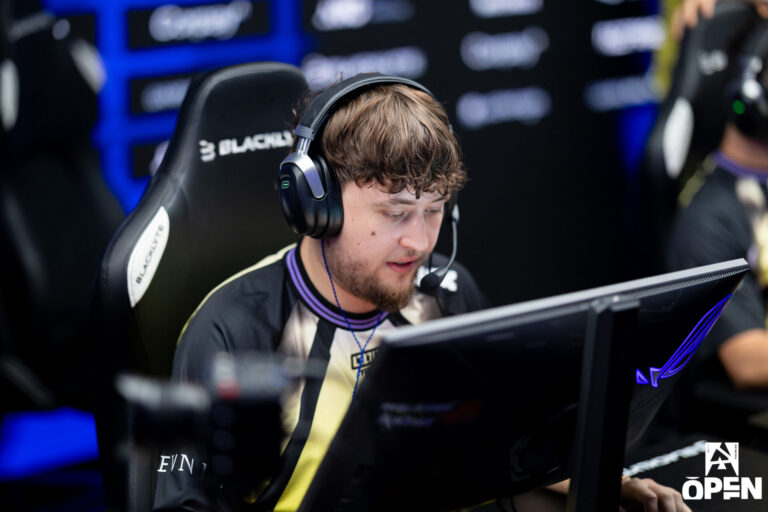
To use another example that was posed at the start of the article, how do you defeat Vitality? Any answer to this question is incredibly likely to be worthless, because it’s simply too broad. A socratic approach might lead us down the road of asking “How could you defeat Vitality on Mirage?” Asking this question might invite us to look at the stats for the team to figure out the next question that is worth asking:
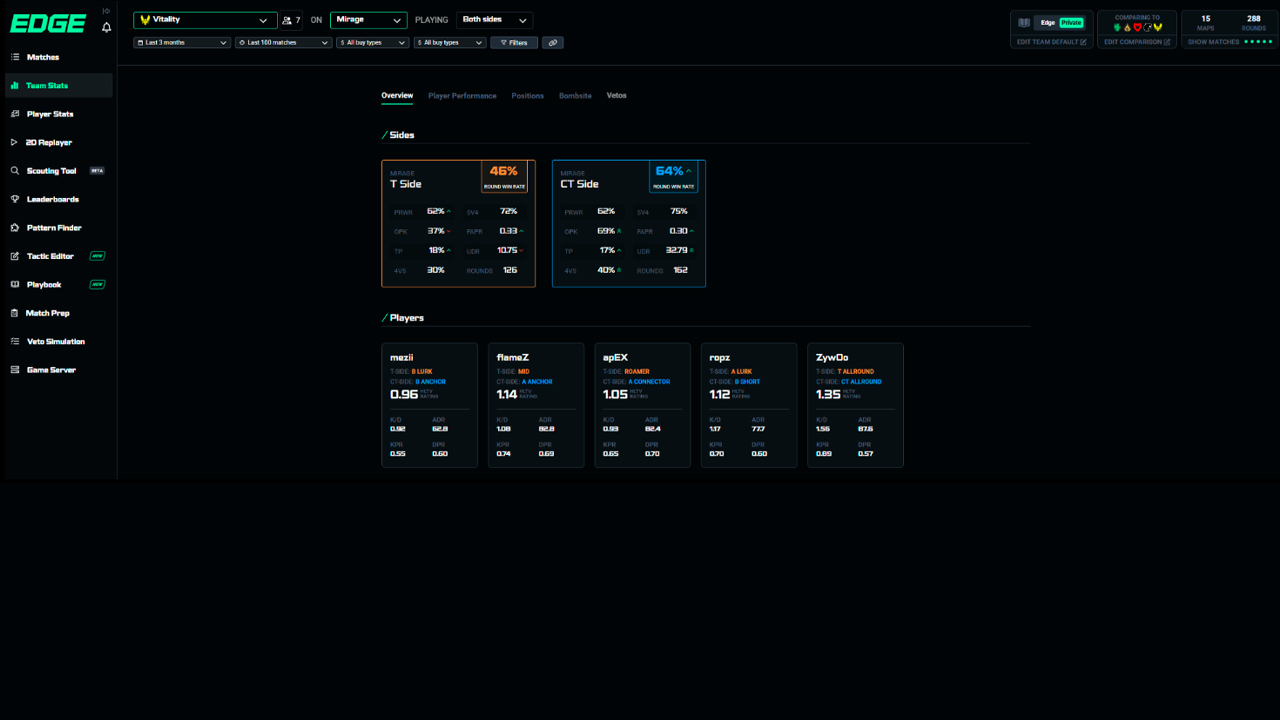
It feels like at least part of the answer here might be to limit their success on their better CT side. These are the performance statistic for CT side Mirage for Vitality:
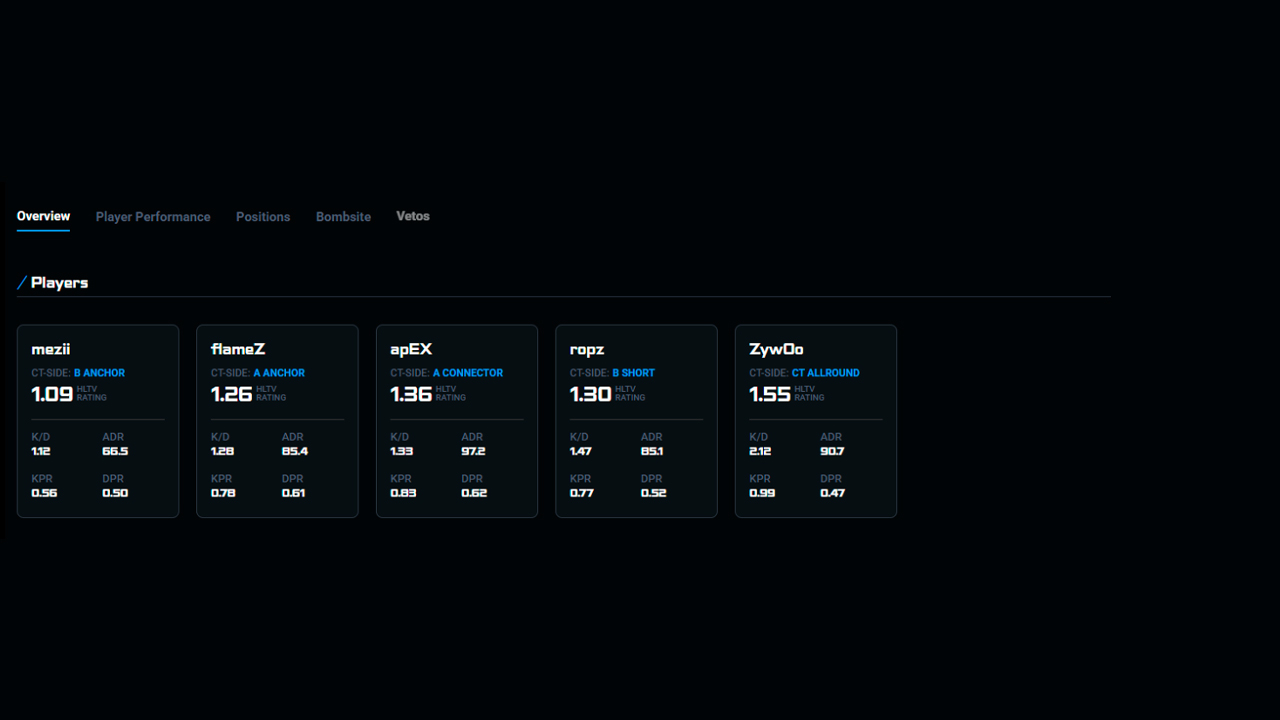
Narrowing our focus somewhat, we notice that Zywoo is their best performing player on the map, and his best role is AWPing on the CT side too. So now the question might be “how can we shut down Zywoo on CT side Mirage?” Which is a question that leads to us looking at what kind of positions Zywoo actually plays on this side:
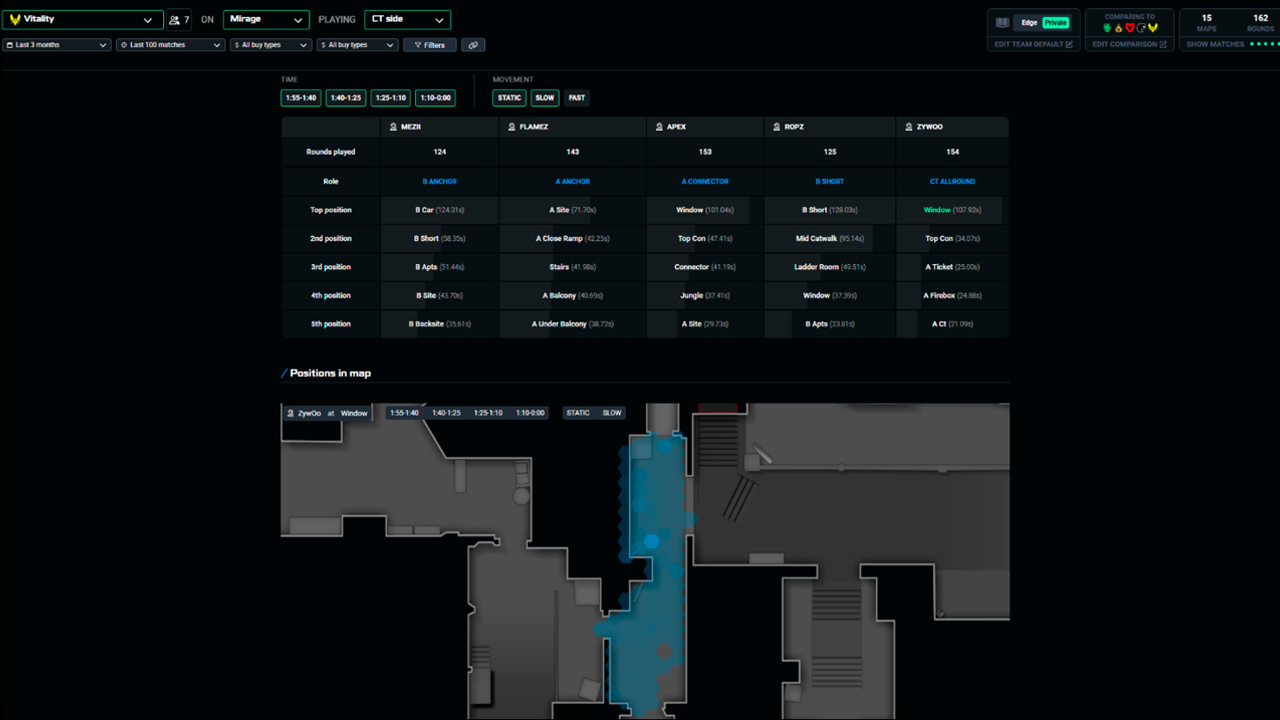
What this screenshot shows us, is that Zywoo spends a huge amount of time in the highlighted blue zone near the jungle and window. Which I think finally gets us nearer a question that actually gives us a helpful answer. His other popular positions on the map are in order:
- Top connector
- Ticket booth
- Firebox
So in my opinion a much stronger question than “How do we stop Zywoo’s CT side?” might be “How do we know when Zywoo is in what positions?” obviously this exercise can go on almost infinitely. But the answer to the first question might deliver a fairly vague answer along the lines of:

Try to smoke him off in window or go B instead..
The answer to the second question might be something like:
Very often if you smoke window early, Zywoo will throw an incendiary before falling back through CT spawn, giving you a very narrow timing to hit A before he can get to ticket
In my opinion this kind of answer hits much closer to something that has value. The answer is interesting, but it’s mostly interesting because we went through asking a whole line of questions which narrowed the scope of what we were looking into. It obviously takes more time and effort to do this, and it isn’t as headline grabbing as something like “How to defeat Vitality in 3 easy steps!” but I think it has the benefit of teaching us much more about the game. Even if the question and answer I have come up with here in regards to Vitality and Zywoo are ultimately incorrect, the process is still educational enough that I believe it’s worth the effort.
For live broadcasts it’s often very difficult to find enough time to go through this process properly, which is a shame because I would bet the quality of the conversations would be much higher if we had the space to do so. As a caster I sometimes have an empty feeling inside when I have to boil a half down to something like “Zywoo just hit every shot, and so Vitality won 10 out of 12 rounds”. That kind of statement could simultaneously be true and almost meaningless, it answers thre question of “what happened?” as opposed to “how or why did this happen?”. The issue is that “what happened?” questions can generally be answered by almost everyone that has watched the game. The “how or why?” questions require special insight, typically from people who have experiences playing the game at a high enough level that they can more easily put themselves in the mindset of the teams to understand the questions they’re looking to answer in a given round.
Counter-Strike is a deep game. It owes a lot of its longevity to the fact that while the shooting and the rifles remain much the same, the strategy level of the game evolves all the time and with lightning speed. If we start asking the right questions, I think we can start having better conversations.