StarLadder Budapest Major 2025 continues moving toward its decisive phase as the tournament field grows narrower. After several intense days of matches, we already have the first major wave of results — the teams that have ended their run in Budapest. Some fell in the opening rounds, others fought through multiple hurdles only to collapse in Stage 2, but they were all united by one factor: the competition was ruthless, and every defeat carried immediate consequences.
Stage 3
9–11th Place — G2, Passion UA, B8
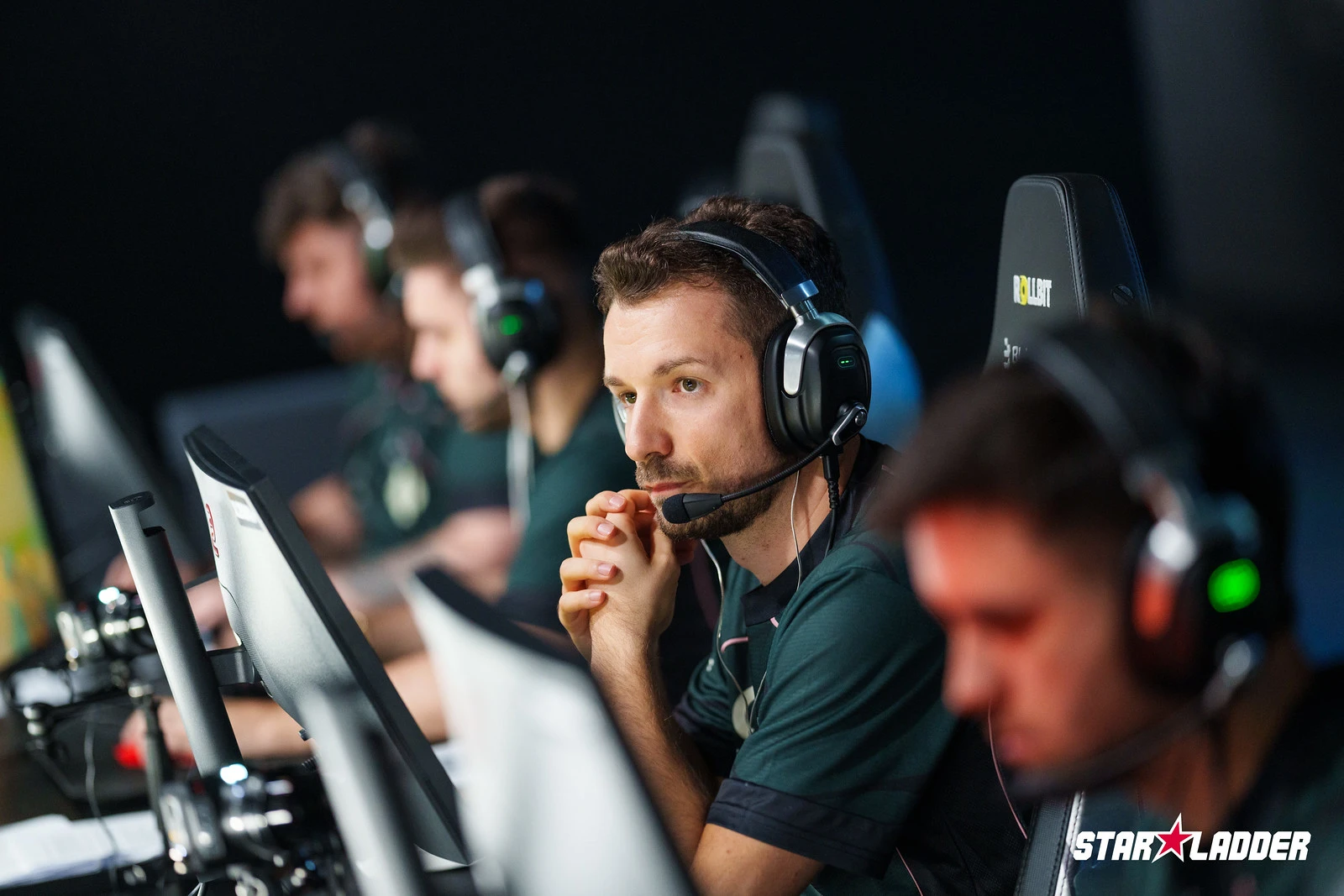
- G2 — instability destroyed their playoff chances
G2 entered Stage 3 with the potential to challenge the favorites, but the team never found the tempo needed to stay within the top eight. Familiar issues resurfaced in key moments: sharp fluctuations in form, weak round endings, and inconsistent impact from secondary roles. Despite strong individual talent, G2 lacked the cohesion required to advance.
- Passion UA — heart and ambition, but limitations became clear
Passion UA once again proved they can compete with top-tier teams and maintain a high tempo. However, Stage 3 also revealed the other side of their game — a lack of depth over longer series and insufficient experience in decisive moments. They fought until the end, but the team couldn’t maintain the level of stability needed to establish themselves as true playoff contenders.
- B8 — a strong approach, but unable to maintain momentum
B8 confidently navigated the early stages of the Major and looked ready to fight for a spot in the next phase. Yet Stage 3 highlighted their struggles with adapting to more structured and multi-layered opponents. The team had moments of strength but couldn’t transform them into consistent, repeatable success.
12–14th Place — 3DMAX, Imperial, paiN
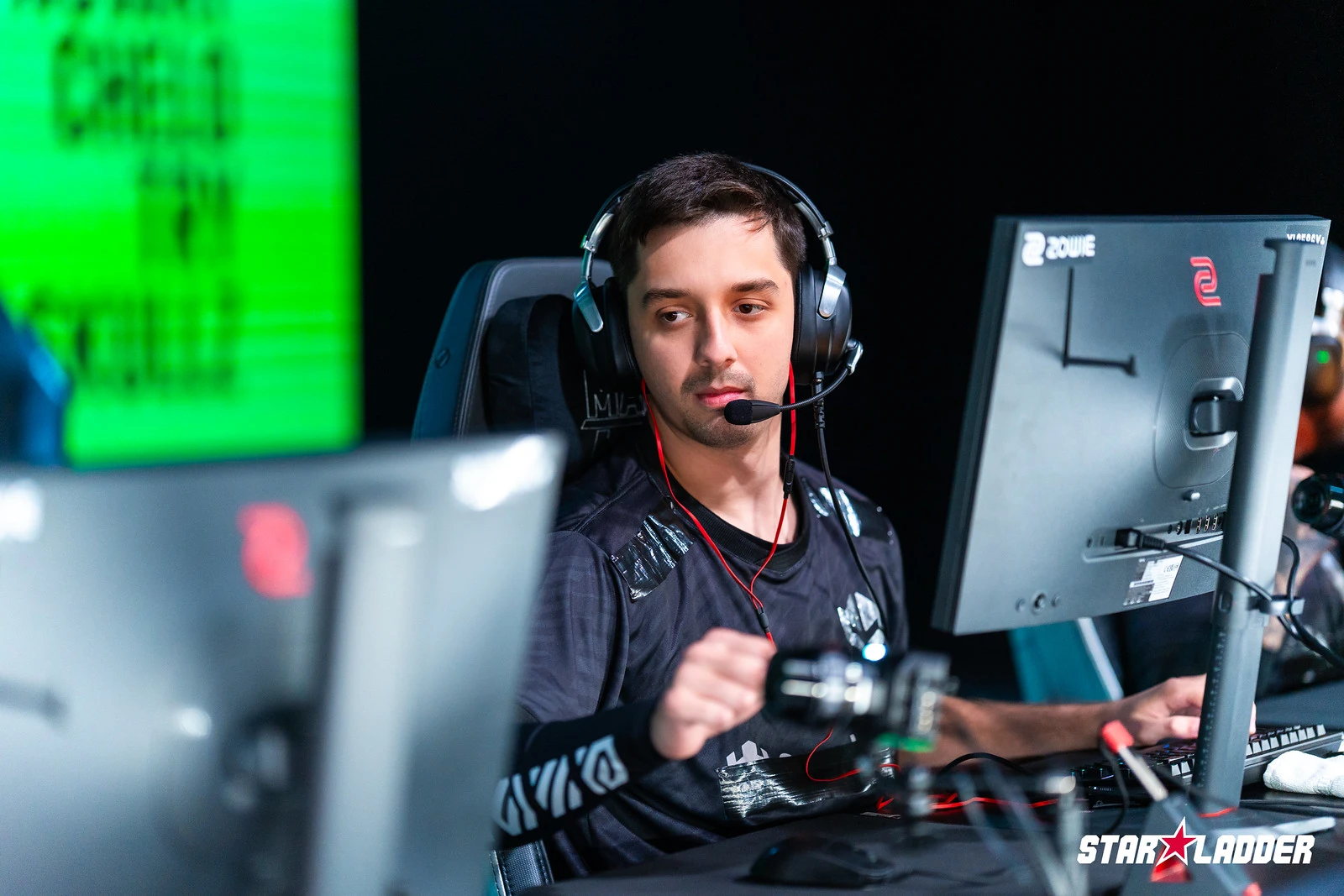
- 3DMAX — promising peaks, but a lack of stability
3DMAX delivered bright stretches throughout the Major, showcasing potential in both aim and tempo. But Stage 3 exposed their central weakness — the inability to maintain quality over time. In crucial situations, when they needed to show their best, the team lost control and failed to impose their structure.
- Imperial — experience couldn’t overcome the tempo gap
Imperial relied on leadership and synergy, but it wasn’t enough. Stage 3 highlighted their vulnerability to fast, aggressive opponents. The team fought hard, yet couldn’t sustain the level of individual output and tempo needed to stay competitive deep into the stage.
- paiN — individual form couldn’t compensate for tactical issues
paiN had the mechanical skill to contend with tough opponents, but often faltered in mid-rounds and key phase transitions. Stage 3 made it clear that mechanics alone aren’t enough without stable structure and confident collective decision-making.
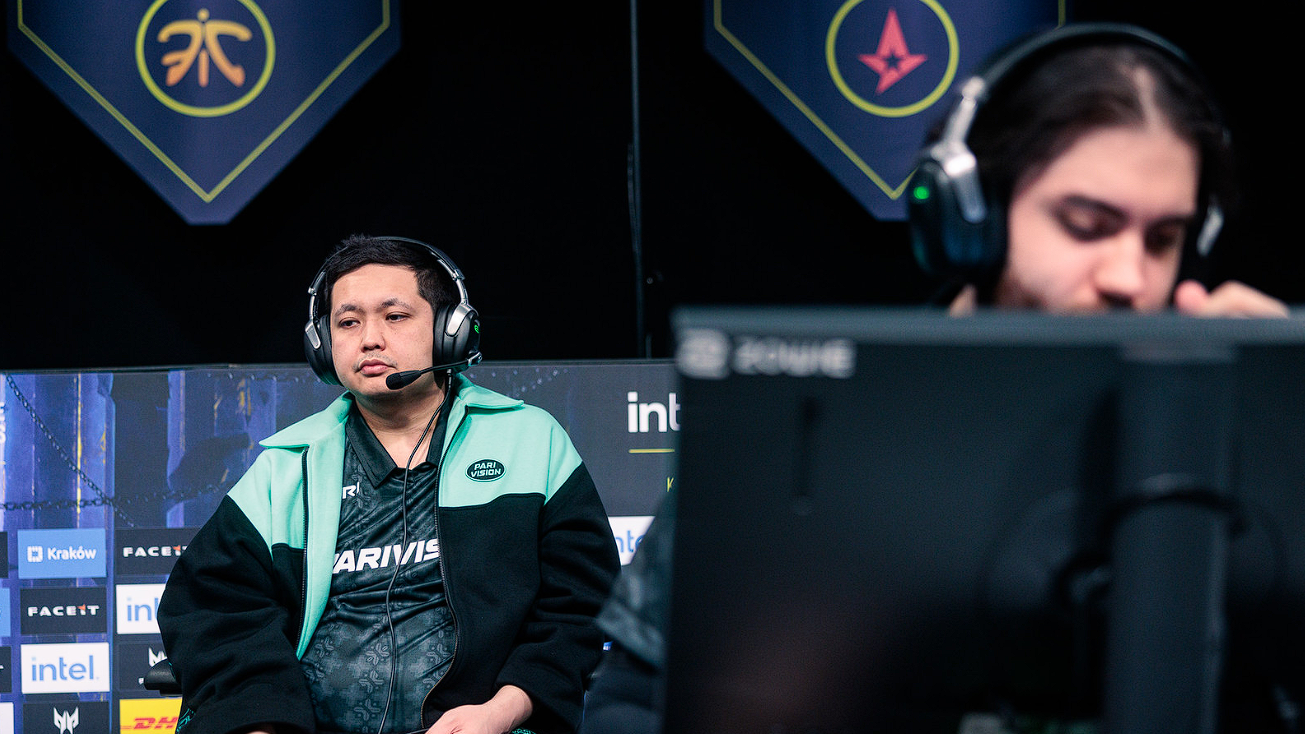
15–16th Place — PARIVISION, Liquid
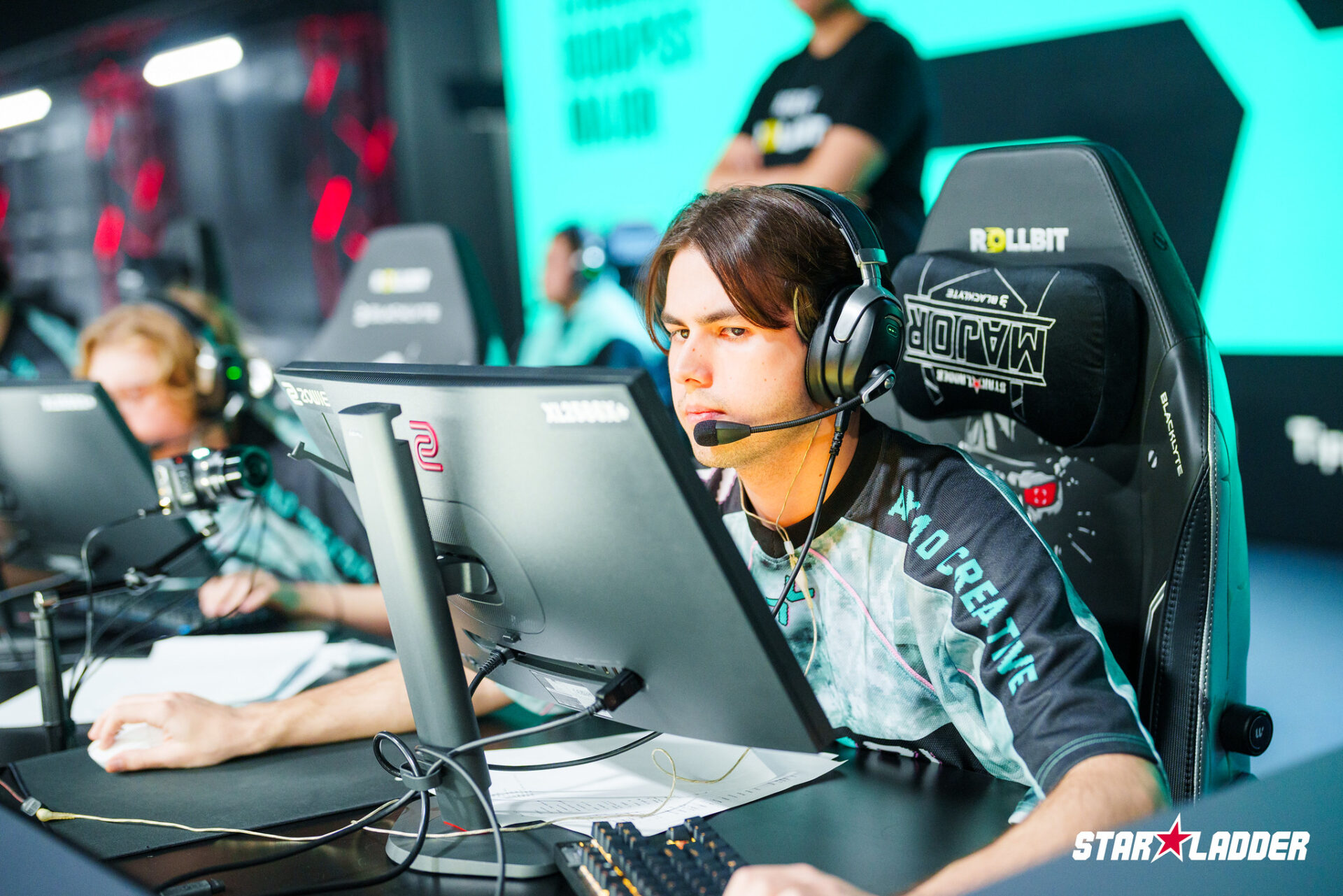
- PARIVISION — a breakthrough start, but developmental limits remain
After an impressive early run, PARIVISION lacked both the map-pool depth and tournament endurance required to survive Stage 3. The team showed they can produce strong maps, but not maintain consistent series-level performance — ultimately the decisive factor in their elimination.
- Liquid — a turbulent showing with clear structural problems
Liquid displayed flashes of individual brilliance but also extended stretches of disjointed team play. Stage 3 made one thing unmistakably clear: the team struggled with cohesion. Unstable roles, pace issues, and poor adaptation to opponents left them without a realistic chance to advance further.
Stage 2
9–11th Place — Ninjas in Pyjamas, Astralis, M80
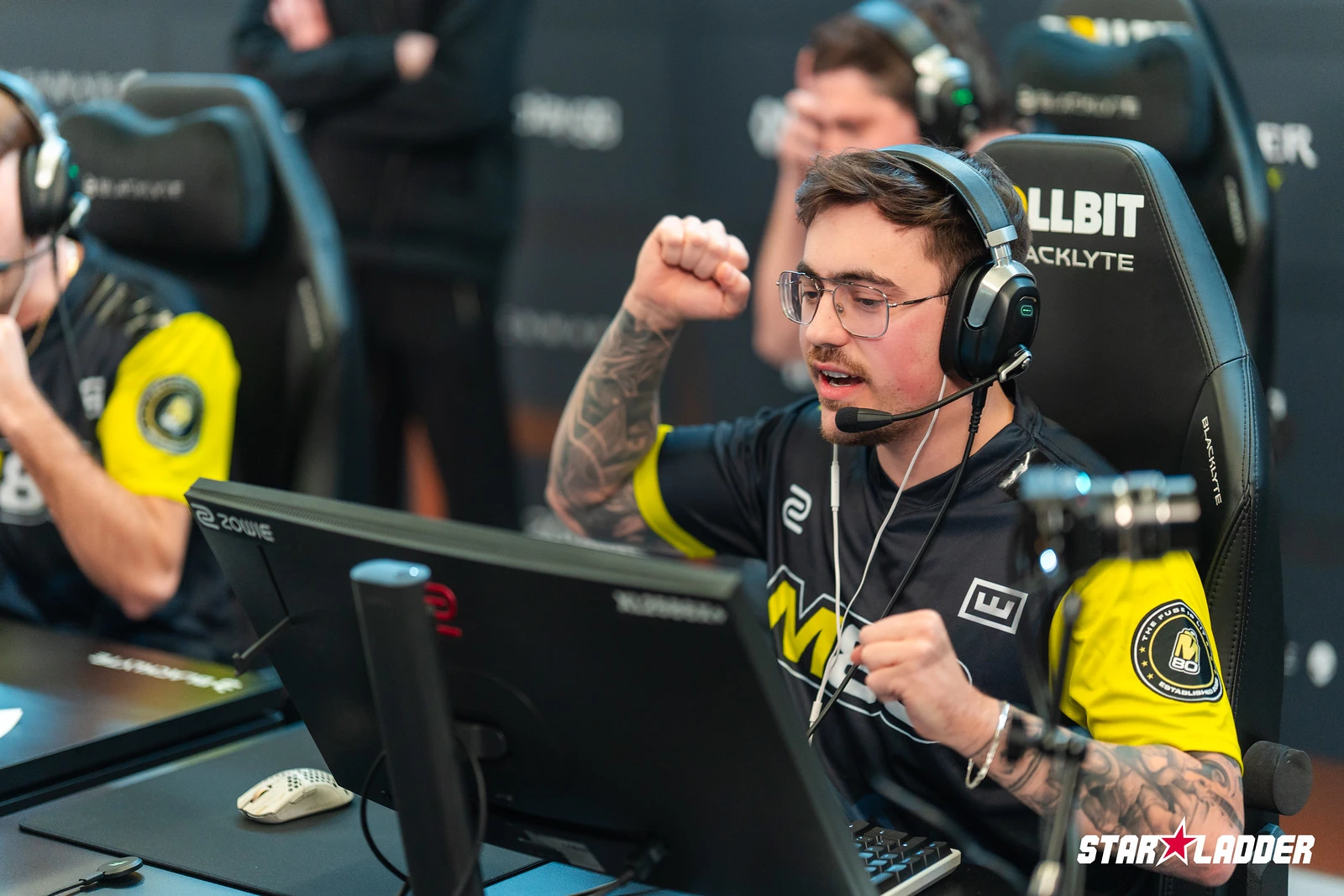
- Ninjas in Pyjamas — instability crushed their ambitions
NIP looked threatening one moment and lost the next. They had confident stretches against TYLOO and Astralis, but when it came to the crucial BO3s, the team fell apart. Back-to-back 0–2 defeats to 3DMAX and PARIVISION exposed their biggest issues — weak T-sides, a lack of clutch conversions, and inconsistent impact from supportive roles.
- Astralis — a slow resurgence that wasn’t enough
The Danes defeated FlyQuest and Aurora but hit a wall in their elimination matches. They failed to handle Liquid and the decisive map against NiP became their point of no return. Their CT-sides remained solid, but the team constantly stalled on the attack, losing momentum in key mid-rounds.
- M80 — discipline without individual firepower
M80 entered the Major as one of the most stable Tier-2 teams of the year, but Stage 2 proved unforgiving. They had strong moments, yet in the decisive match against Passion UA (1–2), they lacked tempo and confidence in critical duels. The structure was there — the individual decisiveness was not.
read more
12–14th Place — TYLOO, Aurora, fnatic
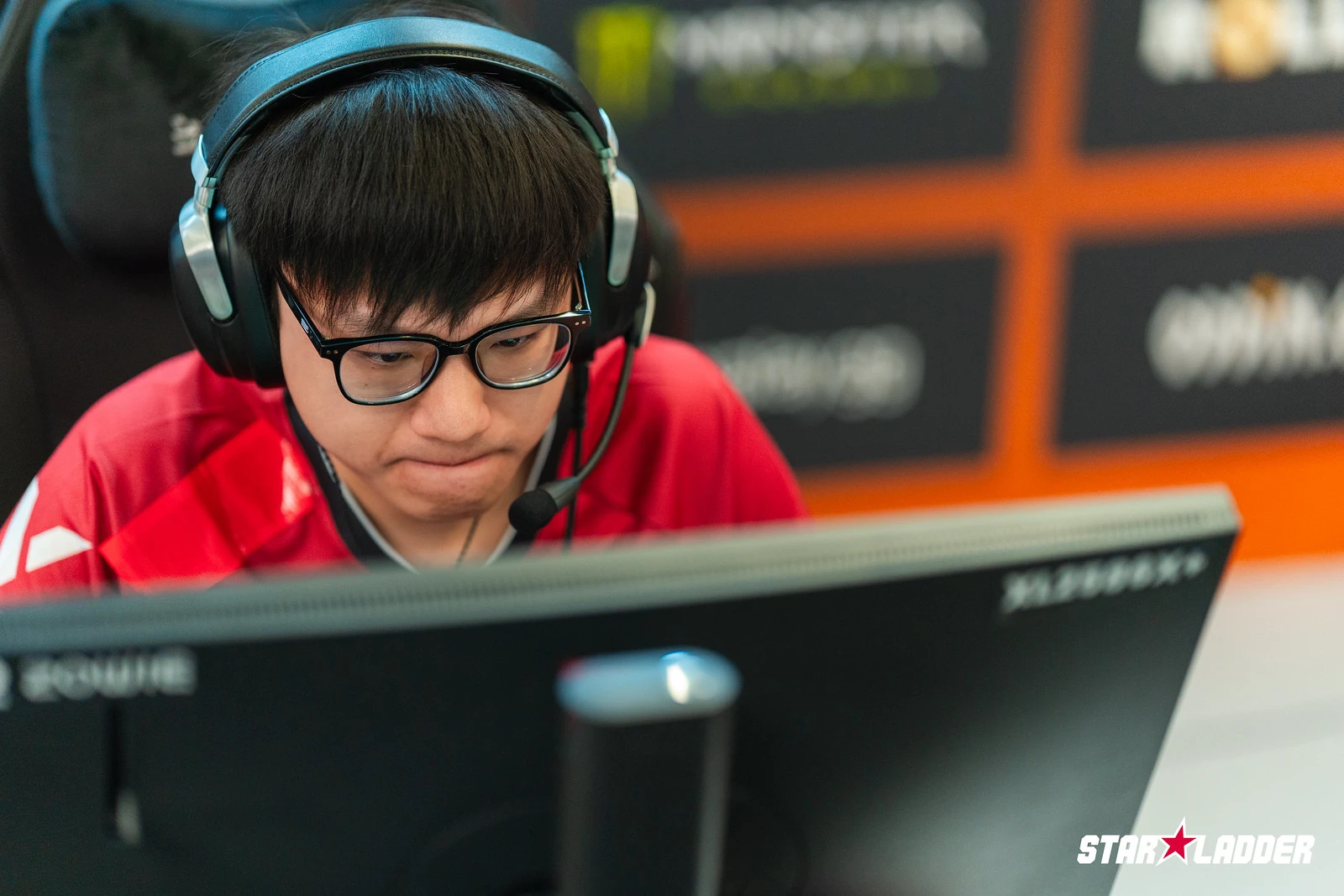
- TYLOO — collapse on high-tempo maps
The Chinese roster once again failed to break through the European opposition. After decent maps against PARIVISION and FlyQuest, the team fell apart in crucial series: a loss to NiP (8–13), Liquid (1–2), and Passion UA (0–2). Their biggest weaknesses — slow-paced attacks and unstable AWP play.
- Aurora — momentum lost after the defeat to FaZe
Aurora produced a respectable group stage, but the 10–13 loss to FaZe broke their rhythm. Despite a convincing win over M80 (13–6), they looked disorganized in their elimination match against Passion UA. Micro-discipline was missing, and the team’s key fraggers couldn’t reach their expected level.
- fnatic — the ideas were there, the execution wasn’t
fnatic had chances in every match, yet failed to close a single one. Three painful defeats — B8 (11–13), Imperial (10–13), Passion UA (2–0). The team consistently lost key duels and couldn’t maintain control on their CT-sides.
15–16th Place — MIBR, FlyQuest
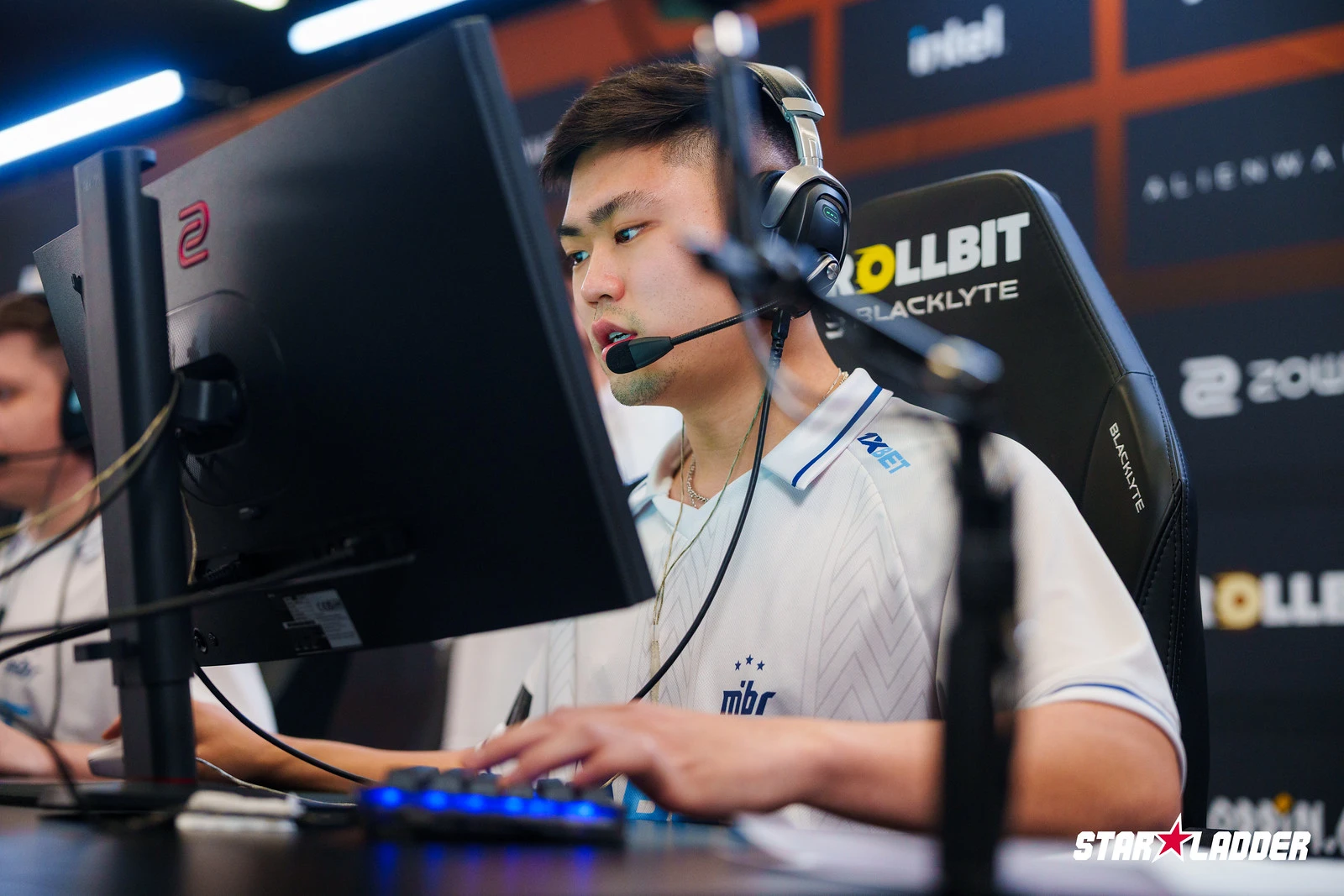
- MIBR — structural chaos and weak T-sides
MIBR entered Stage 2 hoping for a resurgence but immediately crashed into Passion UA and Imperial, losing both matches. The team critically lacked a stable AWP presence and any coherent structure in their mid-rounds.
- FlyQuest — a steep decline after a confident start
FlyQuest had bright moments in Stage 1, but Stage 2 became a disaster. After a 7–13 loss to 3DMAX and a crushing 2–13 defeat from NAVI, the team collapsed mentally. Astralis only finished the job. Their biggest issue — catastrophically low impact from the entry fraggers.
Stage 1
9–11th place — Legacy, NRG, Fluxo: teams that fell one step short
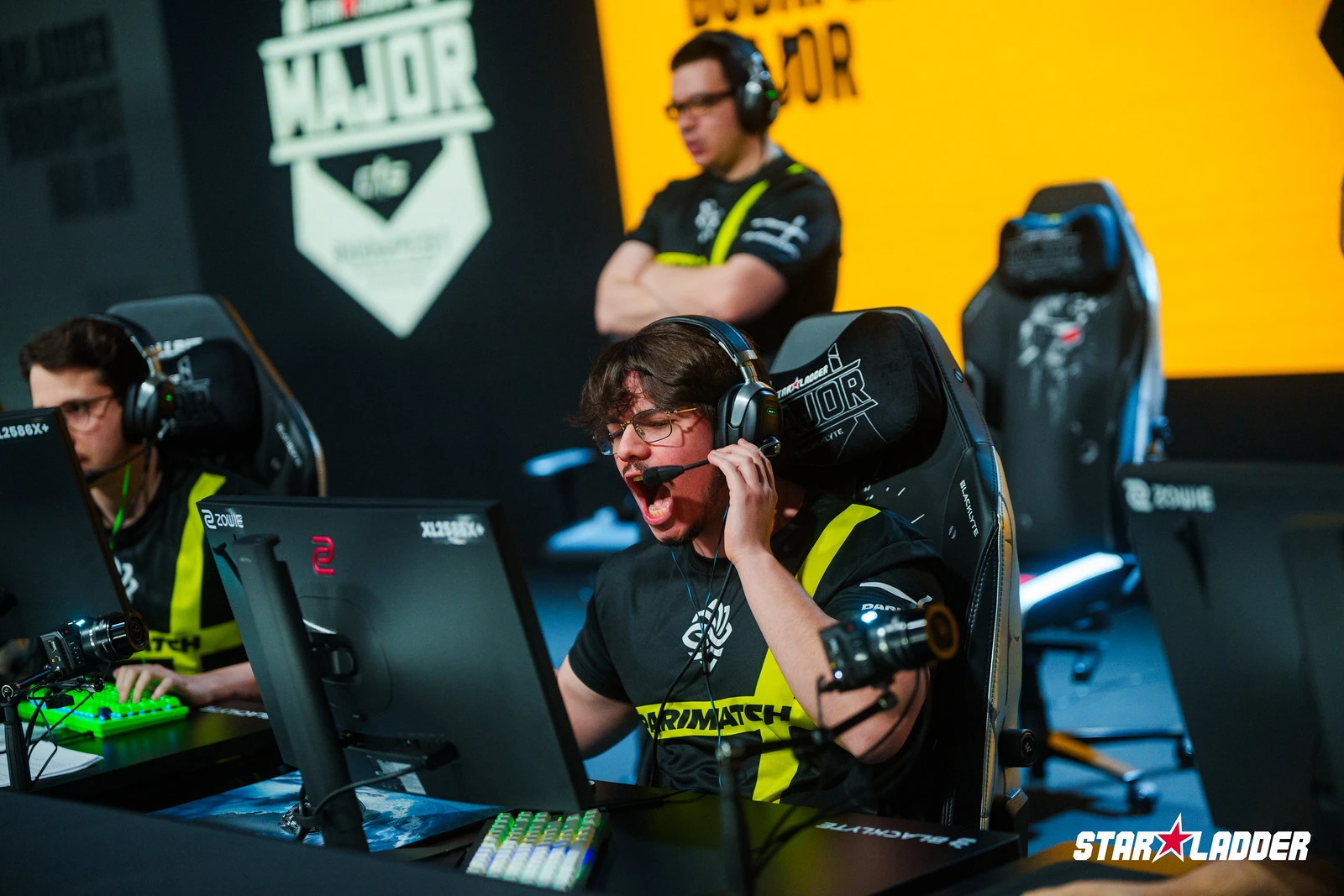
- Legacy (9–11th) — a strong start, but a painful finish
Legacy didn’t open Stage 1 in the best way — a 13–10 loss to FlyQuest — but quickly bounced back with clean wins over Rare Atom (13–6) and RED Canids (13–6). However, the team soon began to lose momentum: a 2–0 defeat to B8 and a 2–1 loss to PARIVISION became critical. In the decisive series their structure collapsed, exposing issues on the T sides and ultimately closing the door to the top 8.
- NRG (9–11th) — a roster change before the Major proved fatal
Losing nitr0 and bringing in daps as a stand-in became the defining factor of their performance. The team defeated NiP in a BO1 (13–7), but fell short in BO3 series against M80 (0–2), Imperial (0–2), and fnatic (1–2). In crucial moments, the lack of synergy and limited map pool depth became painfully obvious.
- Fluxo (9–11th) — Brazil’s most painful collapse in Budapest
Fluxo struggled with consistency from day one: moments of brilliance alternated with major setbacks. A weak showing against FlyQuest (0–2) at the brink of qualification, followed by a loss to NiP (0–2) and a decisive BO3 defeat to FaZe (2–1), knocked them out. Clutch rounds and T-side structure repeatedly worked against them, sealing their exit.
12–14th place — GamerLegion, The Huns, RED Canids: the fight was there, but not enough
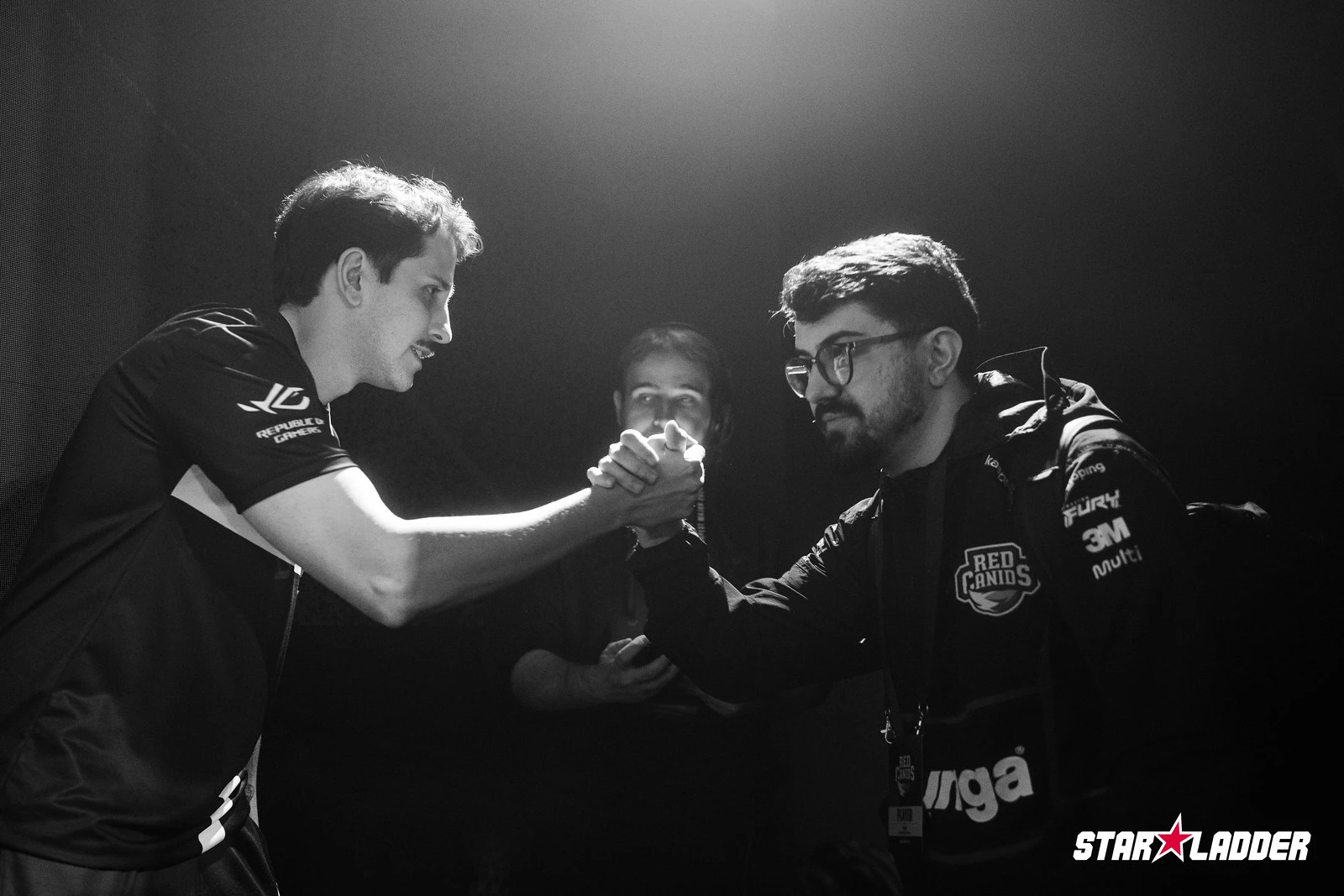
- GamerLegion (12–14th) — the downfall after rough BO1s
GL opened Stage 1 with a painful 10–13 loss to Fluxo, then fell to RED Canids before defeating Rare Atom 2–0. But when it mattered most, the team couldn’t regroup and were swept 2–0 by PARIVISION. Their biggest issues were weak CT openings and repeated failures on Nuke.
- The Huns (12–14th) — fighting the leaders, but lacking the class
The Huns showed character, defeating Lynn Vision 2–0 when they were one step away from elimination and later challenging B8 and PARIVISION. However, a 0–2 loss to Imperial and overall inconsistency between maps became decisive. Their fluctuating tempo made it too easy for opponents to adapt.
- RED Canids (12–14th) — a bright opening, followed by a steady decline
RED Canids opened with a close loss to fnatic (14–16) but then delivered a strong win over GL (13–6). From there, their form collapsed: a 6–13 loss to Legacy, poor CT sides throughout key matches, and finally a 2–1 defeat to FaZe. Despite their attempts to fight back, the loss felt inevitable. The potential was there — the execution was not.
15–16th place — Lynn Vision, Rare Atom: the Chinese scene exits in full
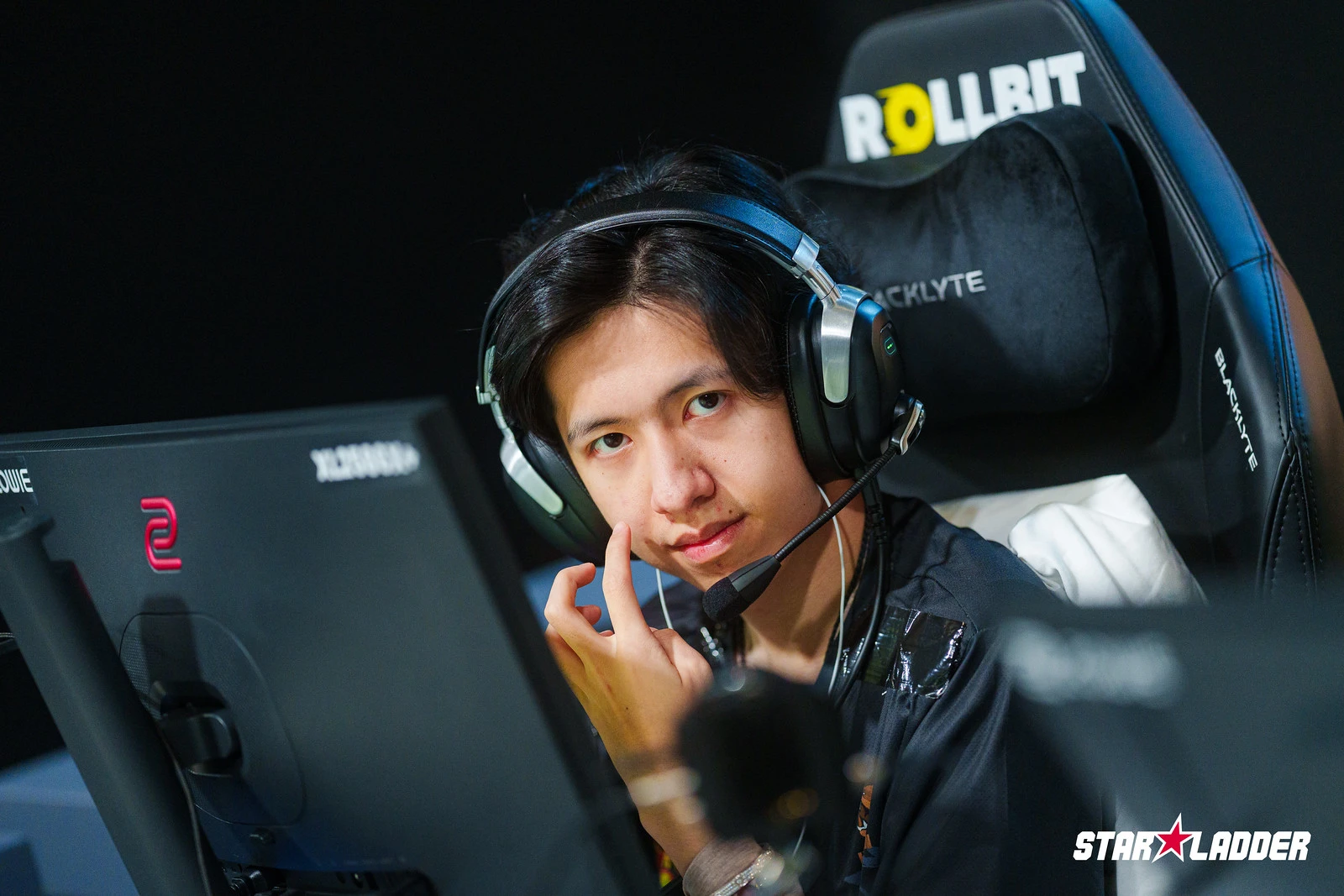
- Lynn Vision (15–16th) — no chances against the top teams
Lynn Vision could not challenge any of the favorites. Losses to FaZe (5–13), The Huns (0–2), and NiP (3–13) cemented them at the bottom of the standings. Their main weaknesses were an unstable AWP presence and low-impact entry fragging.
- Rare Atom (15–16th) — no map wins, no victories
Rare Atom failed to win a single match in Stage 1: Legacy (6–13), GamerLegion (0–2), and Imperial (11–13). Their playstyle was too slow and predictable, making adaptation easy for opponents. No comebacks, no closed advantages — a deserved 15–16 finish.
Skin.Club Pick’em Challenge
Running alongside the StarLadder Budapest Major 2025 is the Skin.Club Pick’em Challenge — an interactive feature where fans predict match results, choose advancing teams, and earn points throughout the tournament. By making accurate picks, participants unlock rewards ranging from premium skins to rare gloves and knives, with the ultimate prize being the iconic AWP | Dragon Lore.
read more
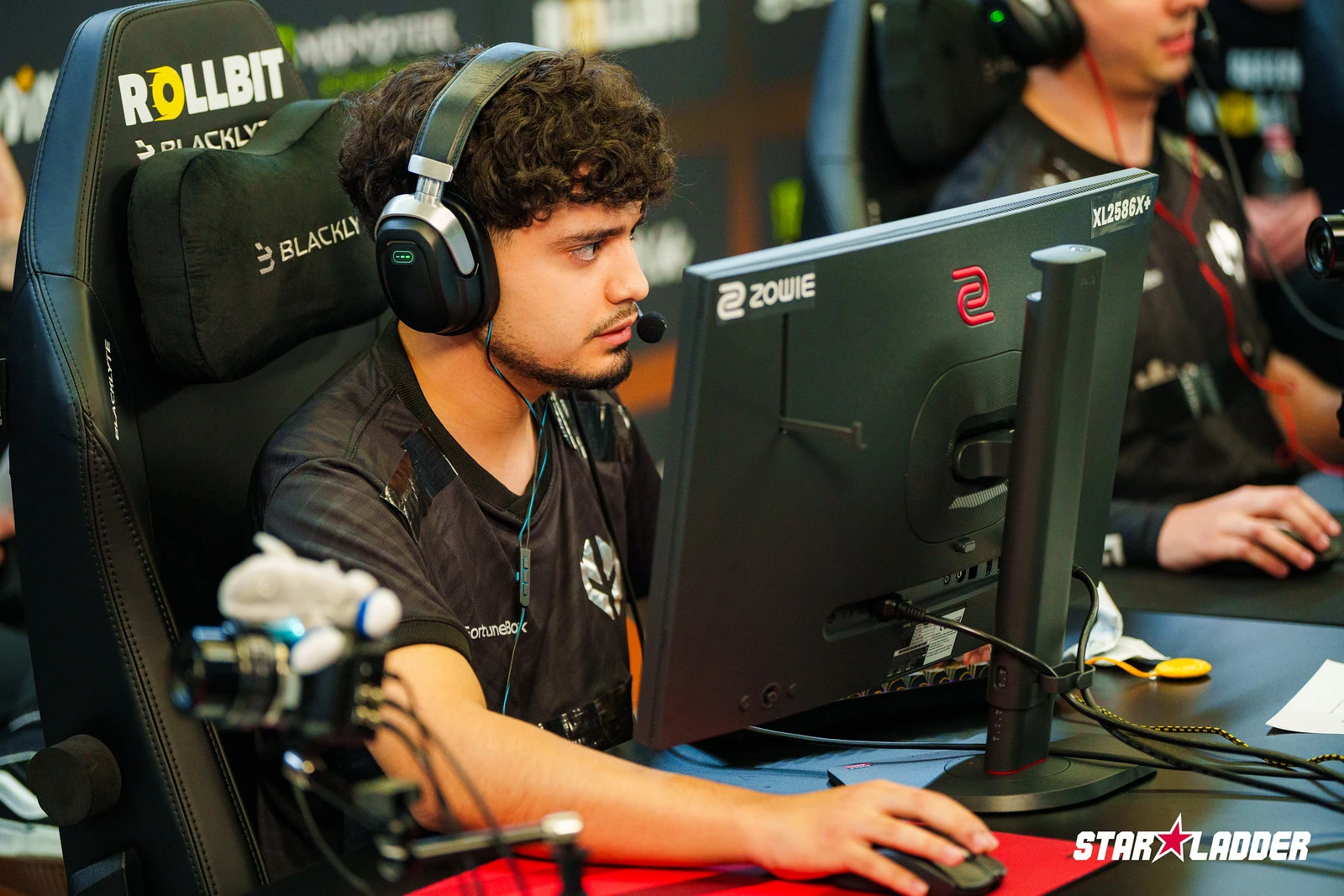
What the Major Leaves Behind
After three stages in Budapest, the picture of the Major has become far clearer — and far harsher. The full list of eliminated teams now spans every phase of the event: those who fell at the very start, those who battled through the early chaos only to be stopped in Stage 2, and those whose hopes for a playoff run finally collapsed in Stage 3. Each roster contributed to shaping the rhythm, expectations, and storyline of the tournament, whether through surprise breakthroughs, painful collapses, or valiant attempts to push beyond their limits.